
Antigua and Barbuda Reinvents Conservation Finance as Redonda Ecosystem Reserve and Park Green Cards Evolve
Antigua and Barbuda structures a pioneering conservation finance model, linking SIRF NGO endowments and Codrington Lagoon Green Cards to protect the 299.03 sq km Redonda Reserve.

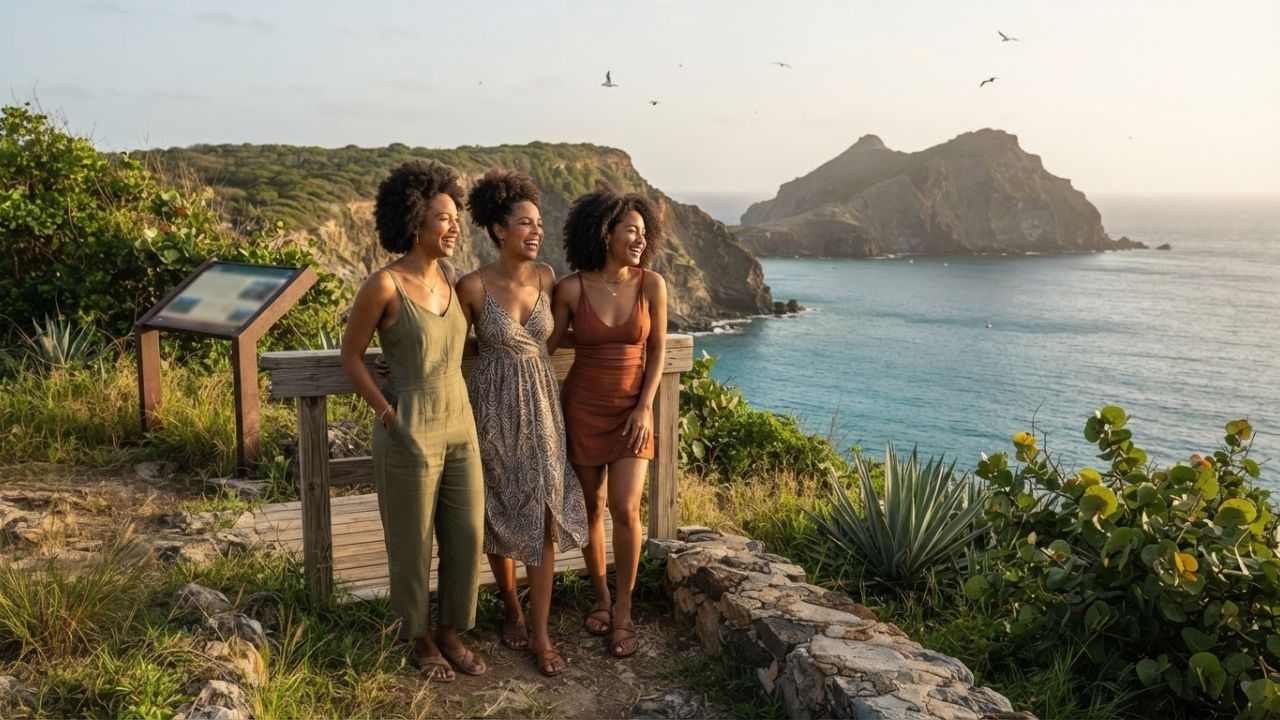
Image generated by AI
Antigua and Barbuda is establishing a groundbreaking conservation-finance mechanism designed to protect the 299.03-square-kilometer Redonda Ecosystem Reserve through international endowment funds rather than mass tourism footfall, while advancing domestic Park Green Card visitation fees across protected sites in Barbuda.
The dual strategy tackles one of global ecotourism's most contentious challenges: securing long-term ecological funding without exposing fragile island biomes to high-density foot traffic. By pairing the domestic Sustainable Island Resource Framework Fund (SIRF) with endowment channels from the Caribbean Biodiversity Fund (CBF), environmental authorities in St John's are separating habitat preservation budgets from commercial landing volumes.
The Local Trend Revealed: Financing 299.03 Square Kilometers of Island Sanctuary
According to the September 2026 profile in UNEP-WCMC’s World Database on Protected Areas, the Redonda Ecosystem Reserve encompasses 299.03 square kilometers (approximately 29,903 hectares) of designated marine and coastal protected territory.
Following an intensive multi-year restoration led by the Department of Environment alongside Fauna & Flora, the previously barren volcanic rock of Redonda was cleared of invasive black rats and feral goats. Today, the island hosts recovering colonies of masked boobies, endemic Redonda ground lizards, and thriving marine habitats.
Fauna & Flora’s active project documentation confirms that ongoing operations focus on strict biosecurity protocols, invasive-plant eradication, biological monitoring, and offshore marine surveillance. The immense spatial scale of the marine reserve means conservation management requires continuous operational funding regardless of whether visitor counts increase or remain near zero.
To solve this fiscal dilemma, the Department of Environment—headquartered at Victoria Park Botanical Gardens in St John’s—announced a decisive institutional move on 17 June 2026. Authorities initiated a dedicated US$50,000 consultancy to establish a formal SIRF NGO Window. The procurement, which concluded following a 30 June 2026 closing deadline, formulates legal frameworks, eligibility standards, financial oversight rules, and grant allocation structures to channel Caribbean Biodiversity Fund endowment capital directly to certified conservation NGOs.
As of 4 September 2026, no direct grant allocation to Redonda has been finalized, and no public opening date, commercial landing permit, or entry fee has been approved for the reserve. The development establishes an institutional precedent: environmental assets can secure endowment-backed revenue without relying on mass tourist arrivals.
Institutional Balance Sheet: Antigua and Barbuda Conservation Architecture
The government's multifaceted conservation approach balances domestic tourist-generated fees with multilateral endowments:
| Environmental Entity / Asset | Verified Status as of 4 September 2026 | Practical Destination & Visitor Significance |
|---|---|---|
| Redonda Ecosystem Reserve | 299.03 sq km (29,903 ha) protected marine & coastal area | Demands permanent biosecurity and marine patrol funding without mass landings |
| SIRF Fund | National environmental, mitigation, and climate finance vehicle | Combines domestic revenue streams with global climate funds |
| Park Green Card System | In development for Victoria Park, Codrington Lagoon, Boggy Peak | Directly captures visitor fees to maintain municipal and national parks |
| SIRF NGO Window | US$50,000 consultancy completed following 30 June 2026 deadline | Establishes governance to disperse Caribbean Biodiversity Fund endowments |
| Public Redonda Tourism | No commercial access or general tourist opening approved | Prevents unauthorized landings; travel trade must avoid marketing island tours |
Codrington Lagoon Precedent: Barbuda's Green Card Model
While Redonda remains protected from tourism footfall, Barbuda's Codrington Lagoon National Park demonstrates how visitor revenue operates at established eco-attractions.
Under the Department of Environment's framework, the planned Park Green Card is designed to grant combined access to Victoria Park Botanical Gardens in St John's, Codrington Lagoon National Park on Barbuda, and Boggy Peak National Park (the country's highest elevation). Revenue generated from Green Card purchases flows directly into trail maintenance, habitat protection, and ranger operations.
For travel operators and visitors, Codrington Lagoon provides proof of concept for visitor-funded conservation. However, authorities emphasize that Codrington Lagoon fees are not pooled into Redonda operations, establishing a clear policy divide between accessible parks and strictly preserved wilderness zones.
The Biosecurity Reality: Why Visitor Footfall Threatens Ecological Value
Unlike conventional attractions where higher visitation boosts operating budgets, expanding tourist landings on Redonda introduces acute financial and biosecurity liabilities.
Fauna & Flora and the Critical Ecosystem Partnership Fund (CEPF) emphasize that Redonda's entire ecological recovery hinges on maintaining zero invasive species. A single commercial yacht anchoring off the island's scree slopes risks reintroducing black rats or foreign plant seeds, which would undo a decade of restoration work.
Managing physical visitors would necessitate dedicated biosecurity wash stations, quarantine gear inspections, full-time dock security, and rigid offshore patrols. Consequently, increasing visitor numbers creates higher administrative overhead than the potential entry-ticket revenue could ever offset. The CEPF project portfolio specifically links sustainable financing, NGO capacity building, and biodiversity surveillance across Redonda and the North East Marine Management Area without requiring high visitor volumes.
Tourism Expansion and National Conservation Capacity
The debate over blended conservation finance unfolds against a backdrop of record-breaking visitor arrivals across Antigua and Barbuda:
- Air Visitor Arrivals: The national Statistics Division recorded 179,943 air visitor arrivals between January and June 2026.
- Stay-Over Performance: The Antigua and Barbuda Tourism Authority confirmed 110,832 stay-over visitors during the first quarter of 2026, marking a 6.7% year-on-year increase.
- Cruise Sector Expansion: The Tourism Authority projects 894,469 cruise passengers across 483 cruise calls throughout 2026, supported by the inauguration of a US$30 million fifth cruise pier in St John's on 24 January.
- Aviation Infrastructure: Ongoing runway resurfacing at V.C. Bird International Airport (ANU) and the commissioning of Burton-Nibbs International Airport (BBQ) on Barbuda provide expanded air links, including new 2026 connections to Guadeloupe and the Dominican Republic.
This influx underscores the necessity of robust conservation financing: as national visitor volume hits new highs, domestic eco-taxes and Green Card fees can capture traveler spending to protect fragile ecosystems across the archipelago.
Visitor Insider Tips: Responsible Ecotourism Across Antigua and Barbuda
Travelers looking to experience Antigua and Barbuda's marine and terrestrial wonders can adopt sustainable practices while respecting preservation boundaries:
- View Redonda from Offshore Waters: Commercial landings on Redonda are prohibited to safeguard biosecurity. However, authorized blue-water sailing charters between Antigua, Montserrat, and Nevis offer breathtaking distant views of Redonda's dramatic 300-meter volcanic sea cliffs and offshore seabird colonies. Bring high-magnification binoculars to spot nesting boobies without approaching the shoreline.
- Experience Codrington Lagoon Responsibly: When visiting the world-famous Frigate Bird Sanctuary in Barbuda's Codrington Lagoon National Park, hire only licensed local boatmen from the Codrington jetty. Boat operators know how to navigate the mangrove channels at idle speeds to prevent nest abandonment during breeding seasons.
- Support the Park Green Card: Purchase the official Park Green Card when visiting Victoria Park Botanical Gardens in St John's or hiking the cloud forests of Boggy Peak. Retain your digital proof of entry, as fees directly support park ranger stipends.
- Local Culinary Sustainability: Dine on sustainably trapped Barbudan spiny lobster at open-air beach shacks in Codrington, sample sweet Antigua Black pineapples from roadside farm stalls in Cades Bay, and order traditional Sunday pepperpot paired with cornmeal fungee at heritage eateries in English Harbour.
- Strict Pack-It-In Rules: When taking day trips to uninhabited offshore islands like Great Bird Island or Prickly Pear, check daypacks, footwear soles, and beach bags for foreign plant burrs or insects before boarding to uphold national biosecurity standards.
Tourism Outlook: Caribbean Stewardship Through Blended Finance
Antigua and Barbuda is demonstrating that sustainable tourism leadership does not require converting every natural wonder into a commercial excursion.
By establishing the SIRF NGO Window backed by Caribbean Biodiversity Fund resources, testing the Park Green Card at Codrington Lagoon, and preserving the 299.03-square-kilometer Redonda Ecosystem Reserve as a sanctuary, St John's offers a new model for the Caribbean: valuing ecological wilderness for its intrinsic biological worth rather than its commercial ticket receipts.
Related Travel Guides
Disclaimer
This article is for informational and educational purposes only. It does not constitute legal, financial, or professional advice. While we strive to provide accurate and up-to-date information, travel policies, regulations, and conditions change rapidly. Always verify information with official sources before making travel decisions. Nomad Lawyer makes no representations about the accuracy, reliability, completeness, or suitability of the information provided. Readers should consult qualified professionals for advice specific to their circumstances. The views expressed in this article are those of the author and do not necessarily reflect the views of Nomad Lawyer.
Kunal K Choudhary
Co-Founder & Contributor
A passionate traveller and tech enthusiast. Kunal contributes to the vision and growth of Nomad Lawyer, bringing fresh perspectives and driving the community forward.
Learn more about our team →