
Antalya Emerges as Europe Top Late Summer Destination with 31 Degree Celsius September Temperatures and Heritage Tourism Growth in 2026
Antalya leads Mediterranean late-summer travel with 31°C September temperatures, 15,000-seat Aspendos amphitheatre events, and extended coastal tourism.

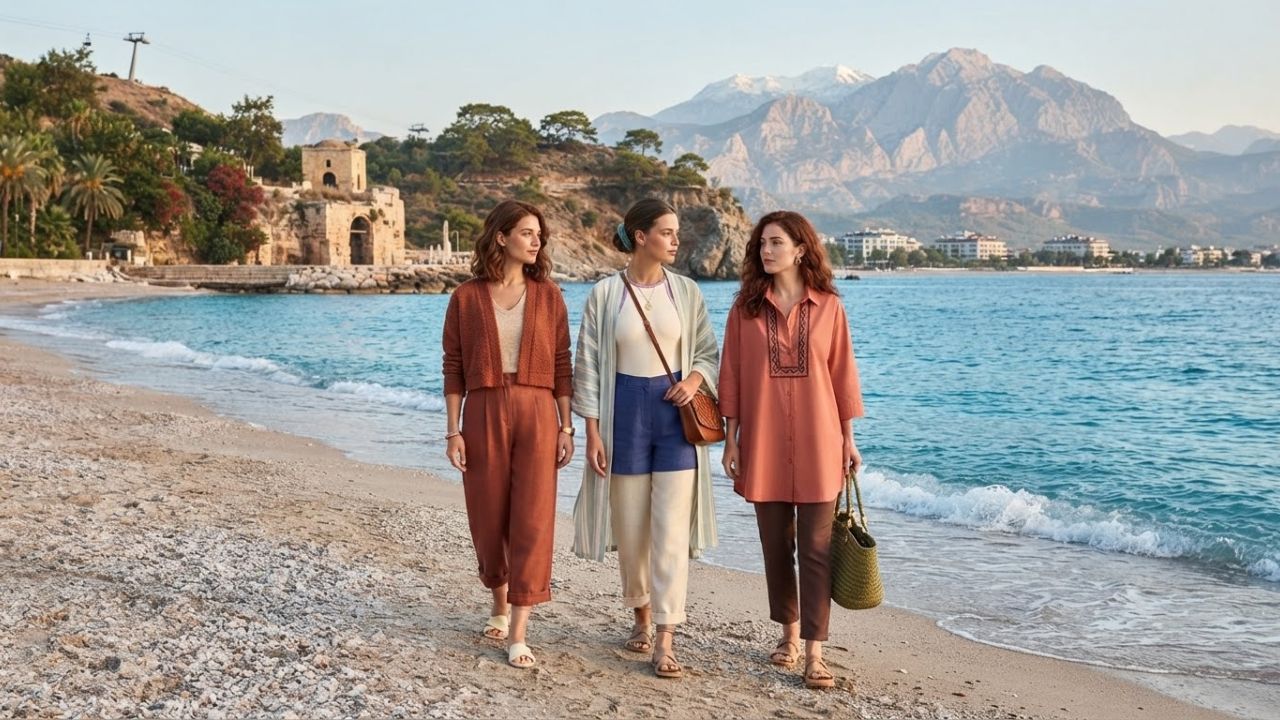
Image generated by AI
Antalya has emerged as one of Europe’s leading late-summer travel destinations along Türkiye’s Turquoise Coast, driven by 31°C average September temperatures and expanding heritage tourism. As autumn weather lowers temperatures across northern Europe, the Mediterranean resort city offers an extended shoulder-season window that combines high coastal temperatures with reduced peak-summer crowd density.
Data from regional tourism authorities confirms that international visitors are increasingly selecting September to explore Antalya's dual appeal: pristine Mediterranean beaches paired with well-preserved ancient Roman archaeological sites. Travel industry analysts, including UK travel reviewer Alice from Adventures of Alice, have highlighted Antalya as the hottest destination in Europe for September travel, citing its unique combination of natural coastal features and deep historical assets.
Comparative Specifications of Key Antalya Attractions and Heritage Landmarks
The Antalya region offers a diverse inventory of cultural, archaeological, and natural assets along the Mediterranean littoral and Taurus Mountains.
| Landmark / Site Name | Cultural Era / Classification | Capacity / Spatial Dimension | Geographic Location & Access |
|---|---|---|---|
| Aspendos Roman Theatre | Imperial Roman (Built ~2,000 years ago) | ~15,000 Spectator Capacity | Serik District, 45 km East of Antalya |
| Kaleiçi Historic District | Ottoman & Roman Architectural District | Historic Walled City Center | Central Antalya Waterfront |
| Hadrian’s Gate | Roman Triumphal Arch (130 AD) | Triple-Arched Marble Monument | Main Entrance to Kaleiçi District |
| Perge Antik Kenti | Ancient Pamphylian / Roman City | Multi-Hectare Archaeological Site | Aksu District, 15 km East of Antalya |
| Termessos Ancient City | Pisidian Mountain Fortress | High-Altitude Mountain Reserve | Gulluk Mountain National Park (~1,000m elevation) |
| Lara Beach | Sandy Coastal Resort Zone | One of Türkiye's Largest Sandy Beaches | East of Antalya City Center |
| Konyaaltı Beach | Pebble Coastal Promenade & Beach | Multi-Kilometer Beach Line | West of Antalya City Center |
| Düden Waterfalls | Natural Coastal Cascade | Upper & Lower Sea-Fall Drops | Düden Park, Falling directly into Mediterranean |
Ancient Roman Archaeological Corridor: Aspendos, Perge, and Termessos
Beyond its coastal resorts, Antalya functions as a major open-air museum anchored by classical Greco-Roman architecture:
Aspendos Ancient Theatre
Located 45 kilometers east of central Antalya, the Aspendos Theatre was constructed nearly 2,000 years ago during the reign of Roman Emperor Marcus Aurelius. Engineered with exceptional acoustic precision, the ancient venue accommodates approximately 15,000 spectators. Unlike many historical ruins, Aspendos remains operational, hosting international opera, ballet, and classical music performances under the oversight of the Ministry of Culture and Tourism of Türkiye.
Plan your journey to the Turquoise Coast by exploring the official travel guides and visitor services provided by the Go Türkiye official tourism portal.
Kaleiçi and Hadrian's Gate
In central Antalya, the historic Kaleiçi quarter preserves stone-paved streets, restored Ottoman-era mansions, traditional bazaars, and clifftop cafés. The district is entered through Hadrian’s Gate (Üçkapılar), a monumental triple-arched marble gateway built to honor Roman Emperor Hadrian’s visit to the city in 130 AD.
Perge and Termessos
- Perge Antik Kenti: Situated 15 kilometers east of the city, Perge features a colonnaded street, ancient city gates, a Roman bath complex, and a stadium, providing historical insight into Pamphylian civilization.
- Termessos: Located high in the Taurus Mountains within Güllük Dağı National Park, Termessos stands as a formidable Pisidian mountain settlement. Surrounded by pine forests, steep cliffs, and panoramic views, the remote site offers an uncrowded hiking and cultural experience away from coastal resorts.
Coastal Infrastructure: Lara Beach, Konyaaltı, and Düden Cascades
Antalya's coastal zone is anchored by two distinct municipal beach sectors:
- Lara Beach: Located east of the city, Lara Beach features an extensive stretch of golden sand lined with luxury resort hotels. The calm, shallow waters provide ideal conditions for late-season swimming and watersports.
- Konyaaltı Beach: Positioned west of the city, Konyaaltı features a pebble shoreline backed by the dramatic peaks of the Taurus Mountains. The area incorporates a multi-kilometer landscaped promenade containing public parks, beach clubs, seafood restaurants, and cafés.
- Düden Waterfalls: Located in the eastern district, Lower Düden Falls cascades over 40-meter coastal cliffs directly into the Mediterranean Sea, forming one of the region's most visited natural photo locations.
Regional Transit Corridors and Arrival Logistics
Antalya International Airport (AYT) serves as the primary gateway for non-resident international arrivals.
| Transit Route / Corridor | Transport Mode / Network | Average Transit Duration | Operational & Ticketing Details |
|---|---|---|---|
| AYT Airport to Central Kaleiçi | Antray Light Rail (T1A Line) / Havaş Bus | 35 to 45 Minutes | Departs AYT Domestic/International Terminals; payment via AntalyaKart |
| Central Antalya to Lara Beach | Municipal Bus (KL08 Route) | 25 to 35 Minutes | Continuous daytime service linking Konyaaltı, City Center & Lara |
| Antalya to Aspendos & Perge | Regional Express Bus / Private Tour | 40 to 50 Minutes | Connects Antalya Intercity Bus Terminal (Otogar) to Serik / Aksu |
Traveler Logistics Guide and Autumn Travel Advice
Navigating Antalya during the peak September shoulder season requires strategic planning around ticketing, climate protection, and evening dining:
Late-Summer Logistics & Visitor Protocol
- Climate & Sun Protection: Daytime temperatures average 31°C throughout September. Travelers should carry high-SPF sun protection, hydration supplies, and lightweight clothing when visiting unshaded archaeological sites like Perge and Aspendos.
Coordinate your arrival and transportation logistics through the Antalya Airport official website for the latest flight and terminal information. 2. Museum Pass Türkiye Integration: Travelers exploring multiple archaeological sites should purchase the official Museum Pass Türkiye or Museum Pass Akdeniz issued by the Ministry of Culture and Tourism. The pass grants skip-the-line access to Perge, Aspendos, Termessos, and the Antalya Archaeological Museum. 3. High-Altitude Hiking at Termessos: Visiting Termessos requires sturdy footwear, as the site features unpaved, uneven mountain paths. Allow at least 3 to 4 hours for a complete excursion. 4. Evening Gastronomy in Kaleiçi: Evening dining centers around the Roman Harbour in Kaleiçi. Visitors can reserve waterfront tables for traditional Turkish meze seafood dinners or enjoy clifftop cafés serving Turkish tea while watching Mediterranean sunsets.
Infrastructure Impact Assessment and Seasonality Extension
The growth of late-summer tourism in Antalya aligns with national efforts by the Turkish Ministry of Culture and Tourism to extend the Mediterranean travel season beyond July and August into late October. By promoting cultural heritage sites alongside traditional beach resorts, local authorities distribute tourist traffic more evenly across municipal infrastructure, supporting year-round employment in hospitality, regional transit, and heritage conservation.
Discover more about the preservation of the region's world-class archaeological sites via the UNESCO World Heritage Centre.
FAQ: Antalya Emerges as Europe Top 2026
What is the best time to visit Antalya for warm weather and fewer crowds? September is ideal, offering an average temperature of 31°C. This shoulder-season window provides the warmth of summer with significantly lower crowd density than July and August.
Which ancient Roman sites are must-visits in the Antalya region? The Aspendos Roman Theatre, Perge Ancient City, and Hadrian’s Gate are top priorities for heritage tourists seeking well-preserved Imperial Roman architecture.
What is the difference between Lara Beach and Konyaaltı Beach? Lara Beach is known for its expansive sandy shores, while Konyaaltı Beach features a pebble coastline and a developed promenade, offering different experiences for sunseekers.
Is the Aspendos Roman Theatre still used for events today? Yes, Aspendos is one of the best-preserved ancient theatres in the world and continues to host international opera, ballet, and classical music performances.
Related Travel Guides
Greece October Travel Escape: Santorini, Mykonos, Corfu, and Kefalonia Guide 2026
The 10 Best Antalya Resort and Ancient Roman Ruins Itineraries, According To Reddit
Disclaimer
This article is for informational and educational purposes only. It does not constitute legal, financial, or professional advice. While we strive to provide accurate and up-to-date information, travel policies, regulations, and conditions change rapidly. Always verify information with official sources before making travel decisions. Nomad Lawyer makes no representations about the accuracy, reliability, completeness, or suitability of the information provided. Readers should consult qualified professionals for advice specific to their circumstances. The views expressed in this article are those of the author and do not necessarily reflect the views of Nomad Lawyer.
Naina Thakur
Contributor & Travel Specialist
Travel enthusiast and legal writer covering visa regulations, responsible tourism, and cultural journeys across global destinations.
Learn more about our team →