
All Nippon Airways Boosts Mumbai-Tokyo Narita Flights Toward Daily Service
All Nippon Airways (ANA) increases its Mumbai to Tokyo Narita flight frequency toward daily operations using Boeing 787 aircraft. Read schedules and travel tips.

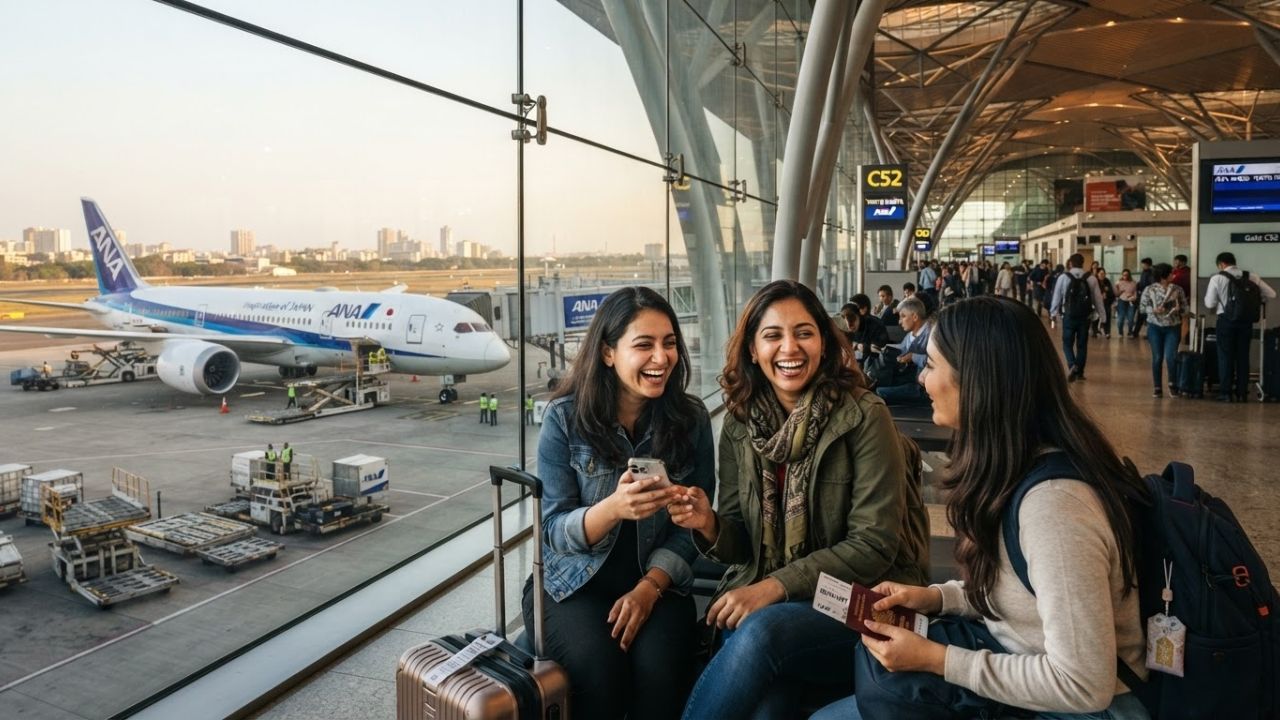
Image generated by AI
All Nippon Airways (ANA) is increasing its Mumbai–Tokyo Narita flight frequency toward daily service, boosting travel connectivity and trade between India and Japan using its Boeing 787 fleet.
ANA Upgrades Mumbai-Tokyo Narita Service Toward Daily Flights
All Nippon Airways (ANA) is upgrading its flight frequency between Chhatrapati Shivaji Maharaj International Airport (CSMIA) in Mumbai and Tokyo Narita Airport (NRT) toward daily operations. The Japanese carrier is deploying its Boeing 787 aircraft family on the route, responding to rising demand for direct international travel, business investments, and leisure tourism.
This frequency upgrade forms part of ANA's wider international network expansion strategy. By increasing flights toward daily operations, the airline provides travelers with greater schedule flexibility and convenient onward transit connections through Tokyo Narita's international gateway, supporting economic cooperation and cultural exchange between India and Japan.
ANA Mumbai-Tokyo Narita Route Expansion Parameters
| Route Parameter | Operational Details |
|---|---|
| Airlines | All Nippon Airways (ANA) |
| Service Corridor | Mumbai (BOM) $\leftrightarrow$ Tokyo Narita (NRT) |
| Frequency Target | Upgrading toward daily service |
| Operating Aircraft | Boeing 787 aircraft family |
| Strategic Focus | Rebuilding direct business and tourism connectivity |
Strengthening Economic Partnerships and Local Community Tourism
For the traveler, the real impact of daily nonstop routes is the ability to bypass congested secondary hubs in the Middle East and Western Europe, saving travel time and reducing the carbon emissions associated with connecting flights. Direct links encourage high-value visitors to allocate their travel budgets toward local economies, supporting community-owned accommodations, traditional restaurants, and independent guides.
The Japan National Tourism Organization (JNTO) and the Ministry of Tourism of India emphasize that reliable air corridors are vital for promoting sustainable cultural exchange. Passengers landing in Mumbai can directly explore heritage destinations and support local textile artisans in Maharashtra. Similarly, Indian tourists entering Japan can participate in eco-friendly nature tours in Hokkaido or explore regional historic sites in Kyoto and Osaka, distributing tourism spending across local communities.
Local Insider Tips for Transiting Mumbai and Tokyo Narita
To make the most of your journey and navigate these environments comfortably, keep these practical visitor tips in mind:
- Identify Off-Peak Visit Windows: Visit Japan during the shoulder months of late autumn (November) or early winter (December) to experience seasonal scenery with fewer tourists. For Mumbai, plan your trip during the dry winter season between November and February to avoid monsoons and summer heat.
- Observe Regional Etiquette and Norms: In Japan, respect local customs by avoiding tipping at restaurants and keeping voice levels low in public transit. In Mumbai, dress modestly with shoulders and knees covered when visiting temples or historical sites.
- Savor Local Dining Specialties: Support independent local food vendors. In Tokyo, sample authentic Soba noodles at standing bars. In Mumbai, try local specialties like Vada Pav and Bhel Puri at independent street stalls.
- Explore Under-the-Radar Sites: In Tokyo Narita, take a short bus trip to Naritasan Shinshoji Temple, a historic Buddhist temple near the airport, to experience Japanese architecture before your flight. In Mumbai, explore the historic fishing village of Versova to witness traditional coastal lifestyles.
Long-Term Outlook for Aviation Corridors Connecting India and Japan
In the long run, upgrading the Mumbai–Tokyo Narita service toward daily operations marks a wider shift toward strengthening point-to-point long-haul connectivity between major Asian economic centers. Deploying fuel-efficient widebody aircraft like the Boeing 787 family allows carriers to expand capacity sustainably while lowering fuel burn per passenger.
As commercial partnerships, technology startup investments, and educational exchanges between India and Japan continue to grow, the demand for direct connections will remain strong. A reliable daily service corridor will foster international cooperation, offering travelers more flexible itinerary options and supporting sustainable tourism growth for decades.
Related Travel Guides
Disclaimer
This article is for informational and educational purposes only. It does not constitute legal, financial, or professional advice. While we strive to provide accurate and up-to-date information, travel policies, regulations, and conditions change rapidly. Always verify information with official sources before making travel decisions. Nomad Lawyer makes no representations about the accuracy, reliability, completeness, or suitability of the information provided. Readers should consult qualified professionals for advice specific to their circumstances. The views expressed in this article are those of the author and do not necessarily reflect the views of Nomad Lawyer.
Raushan Kumar
Founder & Lead Developer
Full-stack developer with 11+ years of experience and a passionate traveller. Raushan built Nomad Lawyer from the ground up with a vision to create the best travel and law experience on the web.
Learn more about our team →