
Amtrak Riders Trapped Nearly 24 Hours as Florida Wildfire Forces Rail Closures
Hundreds of Amtrak riders trapped nearly 24 hours on stranded trains in Florida after a major wildfire forced emergency rail closures in 2026. The incident exposed critical infrastructure vulnerabilities to climate-driven transportation disruptions.

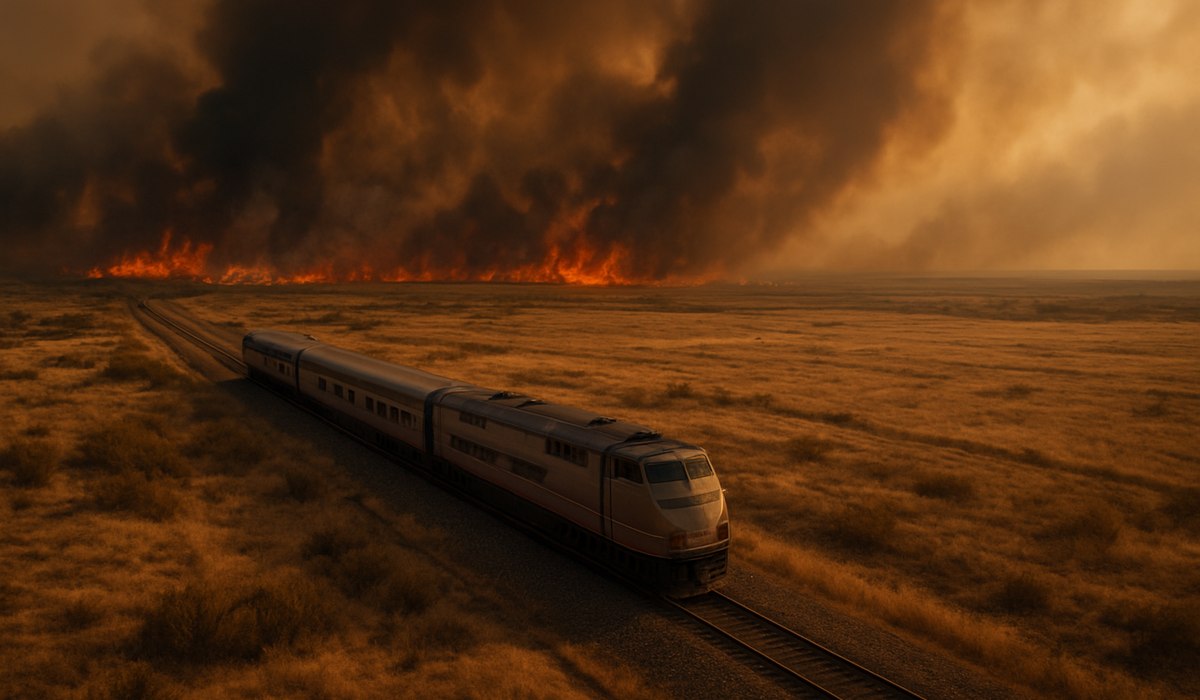
Image generated by AI
Hundreds of Amtrak Riders Stranded as Wildfire Halts Florida Rail Corridor
Hundreds of Amtrak passengers spent nearly 24 hours trapped aboard halted trains in central and northeast Florida in April 2026 after a major wildfire forced emergency closures across a critical transportation corridor. The Amtrak riders trapped incident unfolded when the Crews Road Fire and associated blazes near the Clay and Putnam County line created visibility hazards and safety risks along active rail lines serving New York-to-Miami and Chicago-to-Miami routes. Dispatchers made the decision to immobilize trains in place rather than risk moving them through active fire zones, leaving passengers stranded in rural areas without station access, functioning amenities, or clear evacuation timelines.
Wildfire Along Key Rail Corridor Brings Trains to a Halt
In mid-April 2026, a widespread wildfire outbreak across Florida escalated rapidly as dry conditions and strong winds pushed flames across thousands of acres in northeast Florida. The Crews Road Fire near Green Cove Springs and separate fires closer to DeLand generated heavy smoke that reduced visibility along critical rail segments where freight and passenger traffic converge. According to the Florida Forest Service, containment levels remained low through Monday, April 20, with fire activity directly threatening the tracks and surrounding infrastructure that Amtrak and freight carriers depend on daily.
Rail traffic in and out of Florida funnels through this narrow corridor, making it a chokepoint for long-distance service. When flames and embers approached the tracks, railroad dispatchers halted trains in place to prevent them from traveling through zones with falling debris and intense heat. This decision, while necessary for passenger safety, left the amtrak riders trapped in immobilized coaches in remote stretches without nearby stations, food service facilities, or adequate utilities. The northbound Silver Meteor and other long-distance trains remained stationary for extended hours as firefighting crews worked to contain the advancing flames and clear the right-of-way. Regional fire maps published by authorities showed a patchwork of burn scars and active hot spots across north and central Florida, underscoring how rapidly the situation escalated from a localized brush fire to a statewide transportation crisis affecting rail, road, and air quality across multiple counties.
Passengers Face Deteriorating On-Board Conditions During Extended Delay
For passengers aboard the stranded trains, the most immediate impact shifted from anxiety about fire proximity to deteriorating on-board living conditions as hours stretched into nearly a full day. Social media accounts and regional television coverage documented travelers reporting insufficient potable water and food supplies, with some riders noting that toilet systems failed as holding tanks filled and water pressure dropped. Multiple passengers posted accounts describing trains held in the same location near DeLand or Palatka for more than 18 to nearly 24 hours, creating increasingly difficult circumstances aboard crowded coaches with limited ventilation when locomotives reduced power to conserve fuel.
Families traveling with children described improvising ways to stay comfortable through extended nights as interior temperatures rose and supplies dwindled. News outlets based in Jacksonville, Orlando, and Miami highlighted individual stories of missed connections, canceled vacation plans, and medical concerns while passengers remained confined to their seats. Amtrak's official service alerts classified the incident as a significant disruption and referenced wildfire activity along host railroad territory as the cause. However, many passengers only learned the full extent of the fires after disembarking or gaining cell service strong enough to access live news coverage, leaving them uncertain about the severity of conditions and uncertain about when movement would resume.
Infrastructure Vulnerability Exposed by Climate Events
The April 2026 wildfire event has drawn renewed attention to critical vulnerabilities in rail infrastructure's ability to withstand climate-related disasters. Long-distance passenger rail networks like Amtrak depend on shared track corridors managed by freight railroads, creating coordination challenges when emergencies require rapid decision-making across multiple operators. The incident exposed how dependent these systems remain on manual inspections and dispatch approval before resuming service, particularly when fire activity may have damaged rail beds, signals, or overhead structures.
Climate scientists and transportation analysts have increasingly warned that wildfire outbreaks occurring earlier in the season and with greater intensity will create recurring disruptions to rail schedules unless infrastructure hardening and operational protocols improve. The Florida corridor affected in April 2026 handles passenger and freight traffic daily, meaning that fire-related closures create cascading delays affecting multiple routes and thousands of travelers. Industry experts note that rail systems lack the redundancy found in highway networks, where alternate routes often exist. When a single corridor closes due to wildfire, entire regions can lose rail service until conditions improve and infrastructure receives clearance.
Response and Recovery Efforts Underway
Following the April 20-21 incident, Amtrak implemented substitute bus connections for some segments, particularly between Jacksonville and South Florida, allowing passengers to complete journeys though not with the comfort or timeliness of normal rail service. However, buses could not immediately reach trains halted in remote stretches of track, forcing those riders to remain aboard until railroad managers deemed the line safe to reopen or until trains backed away from the fire zone toward safer locations.
Rail infrastructure crews conducted extensive inspections of track beds, signals, and overhead equipment for potential heat damage and cleared debris from the right-of-way before resuming operations. Multiple departures were preemptively canceled for April 21 and beyond as crews worked systematically through affected sections. The Auto Train service between Sanford (near Orlando) and Lorton, Virginia, remained canceled as of late April 21. The Silver Meteor operated only as far as Jacksonville in at least one direction, with service south suspended while fires burned near the central Florida tracks. The long-distance Floridian route between Chicago and Miami was temporarily truncated to Savannah, Georgia, keeping trains north of active fire zones until conditions improved.
Key Facts and Timeline
| Fact | Details |
|---|---|
| Primary Fire Incident | Crews Road Fire near Green Cove Springs, Clay and Putnam County line |
| Duration of Stranding | Nearly 24 hours for some passengers aboard immobilized trains |
| Affected Routes | Silver Meteor (New York–Miami), Auto Train (Sanford–Lorton), Floridian (Chicago–Miami) |
| Main Issues Reported | Insufficient water, failed toilet systems, warm coaches, limited ventilation |
| Containment Status (April 20) | Low; thousands of acres affected; dry, windy conditions persisted |
| Recovery Action | Infrastructure inspections, debris clearing, substitute bus service, route truncations |
| Operational Impact | Multiple cancellations April 21+; Jacksonville became southern terminus for some services |
What This Means for Travelers: Actionable Steps for 2026
The amtrak riders trapped incident offers critical lessons for anyone planning rail travel in Florida or other wildfire-prone regions:
-
Monitor fire conditions before booking: Check the National Interagency Fire Center (nifc.gov) and Florida Forest Service websites before purchasing tickets during fire season (March–May, August–October).
-
Build flexibility into itineraries: Purchase tickets with flexible change policies or consider travel insurance that covers weather-related delays and cancellations.
-
Verify on-the-day status: Contact Amtrak directly at 1-800-USA-RAIL or visit amtrak.com to confirm your specific train's status within 24 hours of departure.
-
Pack emergency supplies: Bring extra water, snacks, medications, and charging cables when traveling long-distance rail, especially during high-risk seasons.
-
Stay informed during delays: Follow local news and Amtrak service alerts via email or the official Amtrak app for real-time updates if your train is held up.
-
Consider alternate routes: When wildfire alerts are active in one corridor
Raushan Kumar
Founder & Lead Developer
Full-stack developer with 11+ years of experience and a passionate traveller. Raushan built Nomad Lawyer from the ground up with a vision to create the best travel and law experience on the web.
Learn more about our team →