
Amtrak Riders Stranded Over 20 Hours as Florida Wildfire Forces Silver Meteor Halt
Hundreds of Amtrak riders stranded for over 20 hours on April 20, 2026, when a fast-moving Florida wildfire forced the northbound Silver Meteor to halt near Jacksonville, exposing climate vulnerabilities in East Coast rail infrastructure.

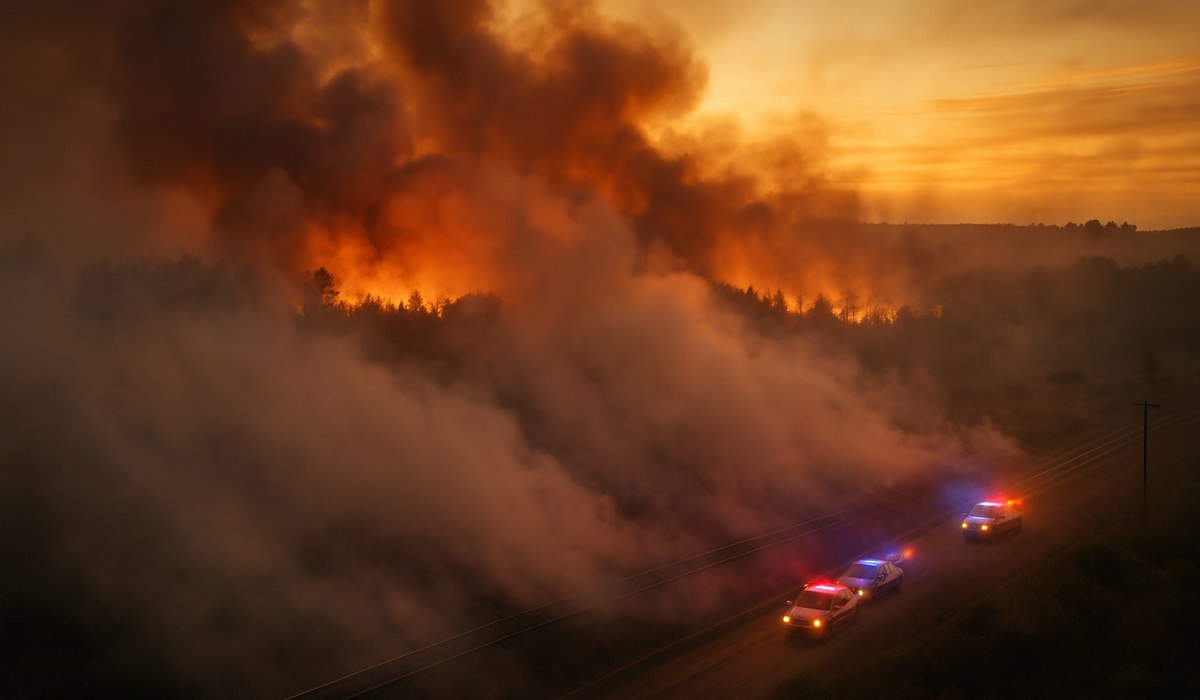
Image generated by AI
Wildfire Forces Silver Meteor to Halt Near Jacksonville
Hundreds of Amtrak riders stranded when a major wildfire erupted near Clay and Putnam counties south of Jacksonville on April 20, 2026. The fast-moving blaze, spanning several thousand acres, directly threatened the rail corridor used by the northbound Silver Meteor, forcing dispatchers to halt the train mid-route. The northbound Silver Meteor, which connects Miami to New York City with stops across Florida, the Carolinas, and the Mid-Atlantic, remained stationary as crews assessed fire activity and smoke conditions along the tracks. This incident underscores how climate-driven disasters now pose immediate threats to long-distance rail operations along critical East Coast transportation corridors.
The decision to stop the train came after state fire agencies confirmed active fire zones overlapping the major rail spine. Regional broadcasters covering the incident through CNN Newsource noted that safety protocols required complete halts rather than continued operation through smoke-compromised areas. The Silver Meteor serves as a lifeline for thousands of weekly travelers connecting southeastern and northeastern regions, making this disruption particularly significant for regional mobility and intercity connectivity.
Passengers Stranded Over 20 Hours as Fire Threatens Rail Corridor
Passengers aboard the halted train endured what many described as a 24-hour nightmare. Social media posts and television interviews documented the extended ordeal, with riders reporting they spent more than 20 hours confined to their seats with minimal forward progress. The train moved only short distances at times as crews attempted to navigate around active fire zones while monitoring smoke density near the tracks.
During this extended delay, Amtrak riders stranded on the Silver Meteor faced mounting frustration as hours passed without clear communication about resumption timelines. Travelers took to online forums and social media to share their experiences, with many conserving phone batteries while monitoring wildfire updates. Several passengers reported diminishing café car supplies, including food and water shortages. Concerns about onboard sanitation intensified as the delay extended, with some riders describing overflowing or inoperable toilets and loss of running water—conditions that have plagued prior long-duration Amtrak delays nationwide.
Amtrak's decision to keep passengers aboard rather than evacuate them trackside reflected safety protocols prioritizing passenger welfare in active wildfire zones. Evacuation would have required coordination with local emergency responders and host railroads, creating logistical complications in remote, semi-rural areas near active fire zones.
Escalating Climate Disruptions to East Coast Rail Network
This incident represents part of a broader pattern of climate-driven disruptions affecting East Coast rail infrastructure. Earlier in the same week, Amtrak had already curtailed or modified multiple Florida routes, including its Auto Train and other long-distance services, due to wildfire activity in the same general region. According to reports from The Associated Press, these schedule changes demonstrated how rapidly fire conditions were deteriorating along portions of Florida's rail network.
The vulnerability of long-distance rail to wildfire disruption raises critical questions about infrastructure resilience and contingency planning. Unlike major highways that offer alternative routes, rail corridors provide limited bypass options. When fire activity forces track closures in remote areas, trains become immobilized between stations with constrained resources. Online discussions among rail passengers highlight growing concern that there are insufficient contingency options when intercity trains get stranded in areas lacking nearby communities or alternate transportation infrastructure.
Climate scientists project that wildfire seasons will intensify across the American Southeast and Mid-Atlantic, potentially increasing disruptions to rail service. The Silver Meteor corridor, which passes through fire-prone regions, faces heightened risk from future incidents. This reality demands systematic investment in fire-resistant infrastructure, enhanced weather monitoring systems, and improved passenger communication protocols.
What Amtrak Is Doing to Mitigate Future Wildfire Delays
Amtrak has implemented several measures to address climate-driven disruptions, though their adequacy remains contested among passengers and industry analysts. The carrier maintains partnerships with state fire agencies to receive real-time fire activity alerts, enabling proactive service modifications before critical situations develop. Real-time tracking systems now allow dispatchers to monitor smoke conditions near tracks using multiple data sources.
The railroad is investing in infrastructure improvements, including vegetation management along corridors and installation of advanced fire detection systems at vulnerable locations. Communication protocols have been enhanced to provide passengers with more frequent updates during incidents, though the April 20 incident revealed gaps in implementation. Amtrak's official website offers service alert updates and allows passengers to monitor real-time schedule changes.
However, critics argue that technological solutions are insufficient without fundamental changes to route infrastructure and service redundancy. Some proposals suggest developing alternative rail corridors or enhanced bus service protocols for situations when trains become immobilized. The industry continues examining how to balance climate adaptation costs with service affordability and accessibility for long-distance rail passengers.
How to Book the Best Fare
Booking Amtrak tickets requires understanding pricing structures and leveraging search tools effectively. The Silver Meteor offers multiple fare classes: Coach, Business Class, and Sleeper accommodations. Advance booking typically yields better rates, with lowest fares available 14-21 days before departure. Trainline provides real-time Amtrak pricing alongside other rail operators, allowing fare comparisons across multiple platforms.
For travelers seeking optimal pricing, consider these strategies: Book during off-peak travel periods when demand is lower. Use Amtrak's official website for access to flash sales and subscription discounts. Flexible travelers should monitor prices across multiple dates, as fares fluctuate based on demand. Business Class offers superior onboard amenities and priority booking compared to Coach but costs significantly more.
When booking through third-party platforms, verify that Amtrak's official website offers identical or better pricing before purchasing elsewhere. Sleeper accommodations, recommended for journeys exceeding 15 hours, include meals and private sleeping quarters. These typically cost 2-3 times more than Coach but provide substantially better comfort during extended travel. Always review current service advisories and weather forecasts before finalizing bookings, particularly for routes traversing fire-prone regions during peak wildfire seasons.
| Metric | Details |
|---|---|
| Route | Miami to New York City via Jacksonville, Savannah, Charleston, Washington DC |
| Service Name | Silver Meteor (Northbound/Southbound) |
| Journey Duration | Approximately 28-30 hours (normal conditions) |
| Typical Weekly Frequency | 3 round trips per week |
| April 20 Delay Duration | 20+ hours (total trip extended to 48+ hours) |
| Affected Passengers | Several hundred aboard halted train |
| Fire Location | Clay and Putnam counties, Florida (south of Jacksonville) |
| Primary Disruption Cause | Active wildfire spanning thousands of acres near rail corridor |
What This Means for Travelers
The April 2026 Florida wildfire incident demands that long-distance rail passengers reassess travel planning and expectations, particularly for routes crossing fire-prone regions. Here are actionable takeaways:
-
Monitor service advisories before booking: Check Amtrak's official alerts and local fire agency updates for any active incidents or anticipated seasonal disruptions affecting your route.
-
Build buffer time into connections: If connecting to flights or other transportation, allow 4-6 hour buffers beyond normal travel times during peak wildfire seasons (March-November in the Southeast).
-
Pack adequate supplies: Bring bottled water, non-perishable snacks, medications, phone chargers, and entertainment for potential extended delays that may exceed advertised journey times.
-
Understand onboard limitations: Be prepared for reduced café services, potential
Disclaimer
This article is for informational and educational purposes only. It does not constitute legal, financial, or professional advice. While we strive to provide accurate and up-to-date information, travel policies, regulations, and conditions change rapidly. Always verify information with official sources before making travel decisions. Nomad Lawyer makes no representations about the accuracy, reliability, completeness, or suitability of the information provided. Readers should consult qualified professionals for advice specific to their circumstances. The views expressed in this article are those of the author and do not necessarily reflect the views of Nomad Lawyer.
Kunal K Choudhary
Co-Founder & Contributor
A passionate traveller and tech enthusiast. Kunal contributes to the vision and growth of Nomad Lawyer, bringing fresh perspectives and driving the community forward.
Learn more about our team →