
Florida wildfires strand Amtrak passengers nearly 24 hours in April 2026
Hundreds of Amtrak passengers experienced nearly 24-hour delays when fast-moving wildfires forced Florida's Silver Meteor service to halt in 2026, exposing critical gaps in emergency protocols.

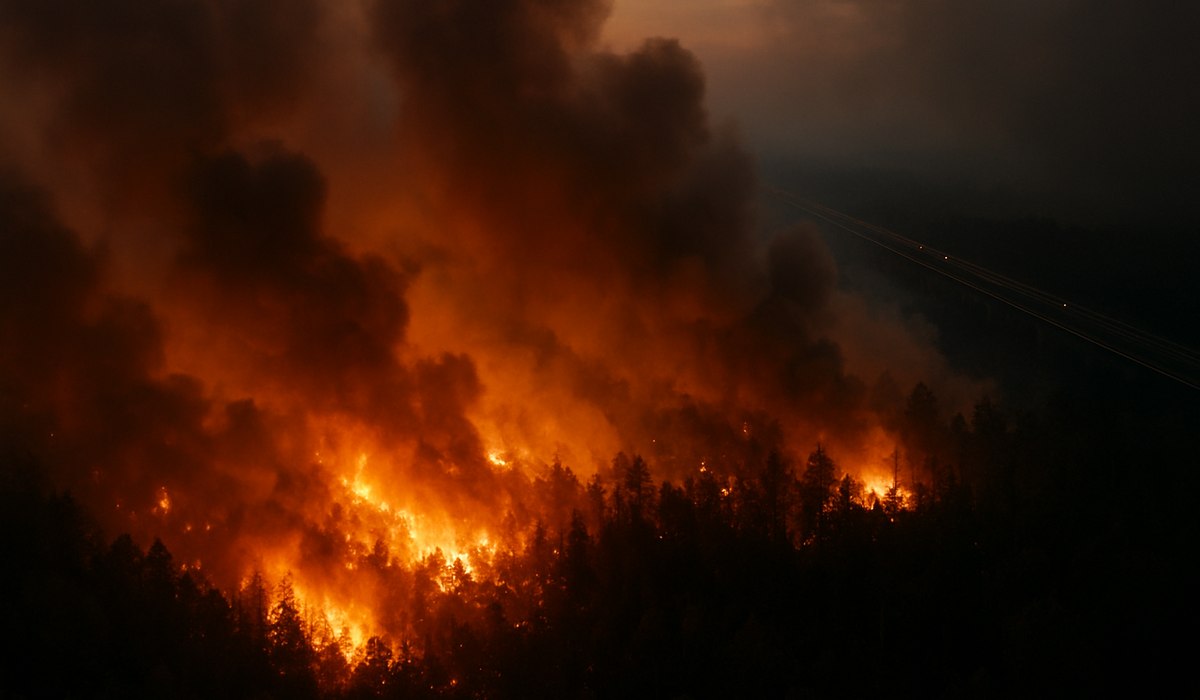
Image generated by AI
Fast-Moving Wildfires Halt Major Amtrak Corridor in Northern Florida
Hundreds of travelers aboard Amtrak's Silver Meteor service endured nearly 24 hours stranded on a halted train when brush fires near Clay and Putnam counties in northern Florida forced an emergency service suspension on Sunday, April 19, 2026. The disruption, which affected the Miami-to-New York corridor, left passengers without clear communication, dwindling supplies, and mounting health concerns as wildfire activity and dense smoke prevented safe passage through the affected railway zone near Jacksonville. The incident exposed serious deficiencies in operator preparedness for climate-related emergencies and passenger welfare protocols during extreme weather events.
Wildfires Force Amtrak Silver Meteor to Halt Near Jacksonville
The Silver Meteor, operating as Train 98, came to an abrupt stop in the Jacksonville area after fire activity intensified along the railway's right of way on April 19. Rail officials suspended all traffic through the corridor to allow ground crews to focus on fire containment and prevent additional ignition sources near infrastructure.
Multiple wildfire clusters across northern Florida disrupted not only the Amtrak mainline but also the Auto Train service connecting Sanford, Florida, to Lorton, Virginia. The coordinated suspensions effectively severed Florida's primary passenger rail gateway for nearly 48 hours. News coverage documented stationary trains surrounded by smoke haze as fire lines shifted unpredictably, leaving railroad personnel unable to confirm safe passage windows.
The decision to halt the train prioritized immediate safety over schedule adherence, though passengers remained largely uninformed about expected resolution timelines as hours accumulated into nearly a full day of confinement.
Passengers Left Without Adequate Support as Delays Extended Beyond 24 Hours
As the halted Amtrak train remained stationary for nearly 24 hours, onboard conditions deteriorated rapidly. Restroom facilities became increasingly problematic, with multiple passengers reporting non-functional toilets and severely limited access to running water—critical issues for travelers confined to a single location without clear end dates.
Beverage and snack supplies aboard the approximately 230-passenger train rapidly depleted. News accounts highlighted particular concern for elderly riders, children, and passengers with respiratory conditions as cabin air grew stagnant despite sealed windows. Some travelers reported concerns about air quality as external smoke infiltrated the stationary carriages.
Medical welfare emerged as a serious concern as delays approached and exceeded 24 hours. Passengers described anxiety about individuals nearing the end of critical medications and contemplating emergency services calls. The lack of transparent communication from Amtrak operators compounded frustration as riders faced uncertainty about bus alternatives, rerouted trains, or potential evacuation procedures.
Video documentation shared by passengers depicted orderly but visibly tense scenes throughout the train as travelers struggled to understand what relief options existed or when forward movement might resume.
Regional Rail Service Disruptions Extend Beyond Single Train
The April 19 wildfire outbreak across northern Florida created cascading disruptions throughout the regional rail network. Beyond the halted Amtrak Silver Meteor, Auto Train service between Sanford and Lorton ceased operations, eliminating vehicle transportation options for passengers requiring automotive shipment across the corridor.
These coordinated service suspensions lasted into Monday, April 21, creating a multi-day disruption that affected hundreds of passengers across multiple rail services. The simultaneous closure of Florida's primary passenger rail arteries demonstrated the vulnerability of transportation infrastructure to climate-related emergencies.
Some travelers ultimately abandoned rail plans entirely, shifting to rental car alternatives or postponing trips. The incident illustrated how wildfire-driven suspensions create cascading economic impacts beyond immediate passenger inconvenience, affecting hotels, ground transportation, and connecting flights. For nomadic professionals and remote workers relying on Amtrak for long-distance travel, the nearly 24-hour stranding created significant scheduling complications for work commitments and flexible travel plans.
Visit Amtrak's official service alert page for current disruption information and Trainline for booking alternatives during service suspensions.
Questions Emerge Over Operator Preparedness for Climate-Related Emergencies
The Florida wildfires strand incident raises critical questions about Amtrak's emergency protocols for passenger welfare during extreme weather events. Industry observers note that while safety decisions to halt service were appropriate, communication failures and inadequate onboard contingencies suggest gaps in operational planning.
Specifically, operators failed to establish clear timelines for passenger relief, failed to proactively arrange alternative transportation, and failed to maintain adequate supplies for extended confinement periods. These deficiencies are particularly concerning as climate-driven disruptions become more frequent across rail networks nationwide.
Amtrak emphasized in post-incident statements that keeping passengers away from active fire zones remained the overriding priority. The company ultimately reversed the train southbound, returning it toward Miami after determining that northbound passage through the wildfire zone was unsafe. However, this decision meant hundreds of travelers completed their journeys hundreds of miles short of intended destinations, requiring emergency rebooking of hotel accommodations and connecting trains.
The incident underscores the need for rail operators to establish clear protocols for extended passenger confinement, including supply management, medical contingencies, transparent communication systems, and pre-arranged alternative transportation agreements.
How to Book the Best Fare on Amtrak Routes
Booking Amtrak tickets strategically can help you secure favorable fares and schedule flexibility that protects your travel during increasingly unpredictable weather seasons. Here are essential booking approaches:
Advance booking of 21-30 days typically yields the lowest fares on Amtrak long-distance routes including the Silver Meteor corridor. However, these deeply discounted tickets often carry restrictive change policies. Consider purchasing slightly more flexible fares at moderate price points if you're traveling during peak fire season (April-October in Florida).
Weekend travel generally costs more than mid-week journeys on Amtrak services. Tuesday through Thursday departures frequently offer 15-25% savings compared to Friday-Sunday travel.
Bundled packages combining rail with hotel accommodations sometimes unlock hidden discounts unavailable through separate bookings. These packages also provide rebooking guarantees if climate-related disruptions occur.
Flexible booking windows protect against scenarios like the April 2026 wildfire incident. Amtrak's flexible fare options—costing slightly more upfront—allow unlimited changes without penalties, crucial insurance during climate-uncertain travel periods.
Visit Amtrak's official booking platform directly or compare multi-carrier options through Trainline to optimize your Miami-to-New York routing during wildfire season.
| Service Metric | Details |
|---|---|
| Route | Miami, Florida to New York, New York (Silver Meteor, Train 98) |
| Incident Date | Sunday, April 19, 2026 |
| Delay Duration | Nearly 24 hours |
| Passengers Affected | Approximately 230 |
| Primary Cause | Fast-moving brush fires near Clay and Putnam County line |
| Affected Services | Silver Meteor; Auto Train (Sanford to Lorton) |
| Resolution | Train reversed southbound; passengers rerouted to Miami |
| Key Issues | Restroom failures, supply depletion, inadequate communication, air quality concerns |
| Service Restoration | Into Monday, April 21 |
What This Means for Travelers
The April 2026 Florida wildfires strand incident offers critical lessons for anyone planning long-distance Amtrak travel, particularly through regions prone to seasonal climate
Disclaimer
This article is for informational and educational purposes only. It does not constitute legal, financial, or professional advice. While we strive to provide accurate and up-to-date information, travel policies, regulations, and conditions change rapidly. Always verify information with official sources before making travel decisions. Nomad Lawyer makes no representations about the accuracy, reliability, completeness, or suitability of the information provided. Readers should consult qualified professionals for advice specific to their circumstances. The views expressed in this article are those of the author and do not necessarily reflect the views of Nomad Lawyer.
Raushan Kumar
Founder & Lead Developer
Full-stack developer with 11+ years of experience and a passionate traveller. Raushan built Nomad Lawyer from the ground up with a vision to create the best travel and law experience on the web.
Learn more about our team →