
American Airlines Overhauls Premium Strategy with Fleet Upgrades and Hub Expansion in 2026
American Airlines is launching a comprehensive operational transformation to capture high-value travelers through cabin redesigns, Starlink integration, and major hub investments at Dallas Fort Worth.

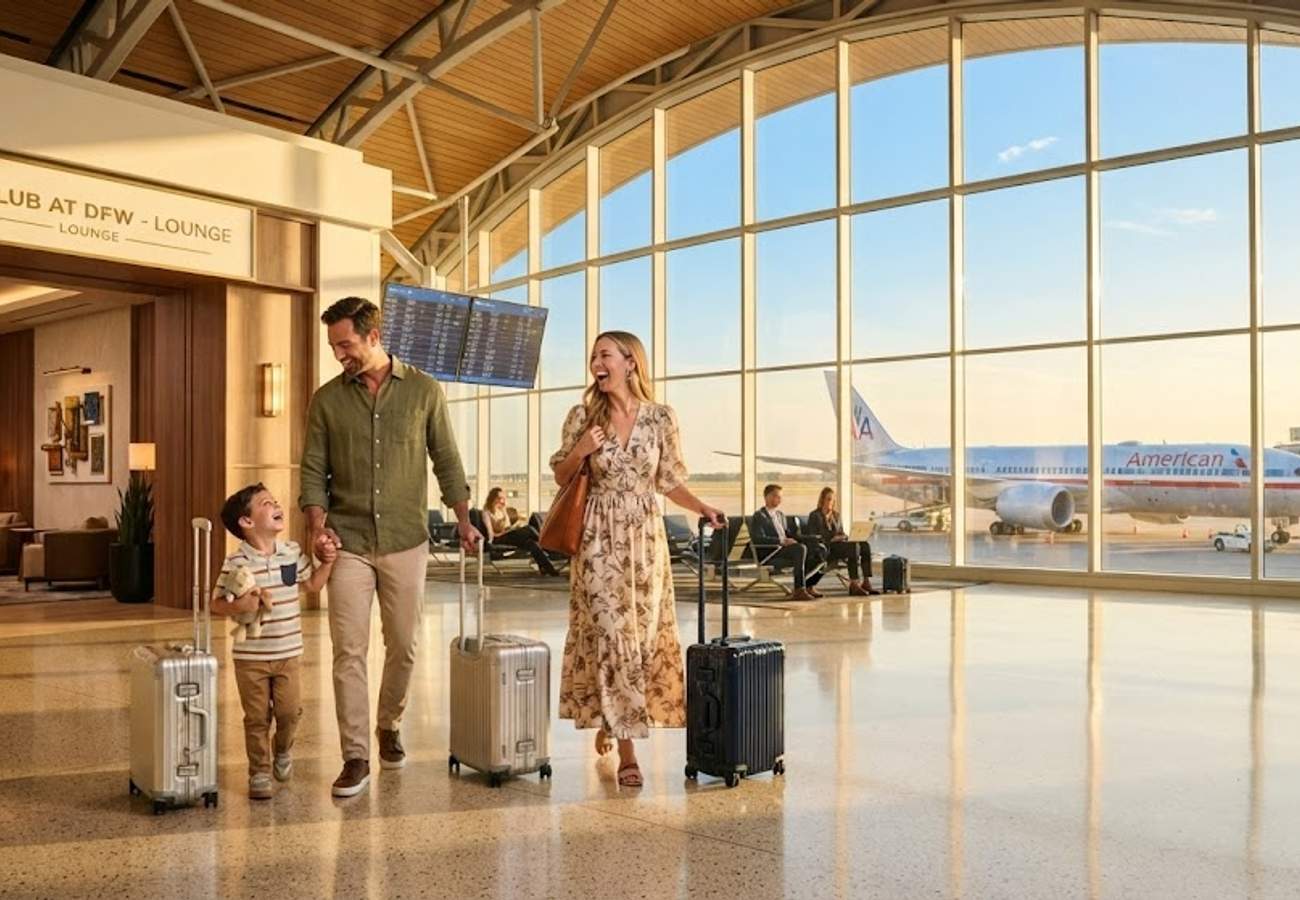
Image generated by AI
American Airlines is initiating a systemic operational pivot designed to aggressively target the premium travel sector. While the carrier maintains one of the most extensive flight networks in the United States, the current strategic shift prioritizes high-yield revenue streams over sheer volume.
The transformation focuses on three primary pillars: hardware upgrades in the cabin, digital connectivity leaps, and a modernized ground experience. By narrowing the gap between its current offerings and those of its top US rivals, the airline aims to attract passengers who prioritize luxury, efficiency, and reliability.
Modernizing the Long-Haul Fleet
A central component of this strategy is the physical overhaul of aircraft interiors. The airline is prioritizing the redesign of cabins to include more premium seating and enhanced amenities, specifically targeting the high-margin international business-class market.
Key aircraft models slated for these upgrades include:
- Boeing 777-300ER: These larger aircraft will receive updated interiors featuring expanded business-class seating to improve competitiveness on long-haul routes.
- Boeing 787-8 Dreamliner: Interiors are being modernized to ensure the fleet remains viable against global competitors.
These investments are driven by the fact that international business-class fares provide significantly higher margins than economy seating, making cabin comfort a direct lever for profitability.
Digital Integration and Onboard Connectivity
Technology is no longer a secondary amenity but a primary driver of airline selection for corporate travelers. American Airlines is responding by integrating high-speed satellite connectivity and revisiting its entertainment philosophy.
The carrier has begun deploying Starlink satellite Wi-Fi across its fleet to provide faster, more reliable internet access. Furthermore, the airline is evaluating the return of seatback entertainment screens on narrow-body aircraft. This marks a strategic reversal from the industry trend of relying solely on passenger-owned devices for streaming.
Scaling the Ground Experience at DFW
The passenger journey now begins well before takeoff, leading American Airlines to invest heavily in its primary hub at Dallas Fort Worth (DFW) International Airport.
The airline is developing a significantly larger Admirals Club lounge, which is set to become one of the largest premium facilities in its entire network. This move aligns with a broader, multi-billion-dollar redevelopment program at DFW airport, which includes terminal improvements and expanded passenger facilities. To complement the lounges, the carrier is introducing streamlined check-in processes and new lounge concepts focused on maximum efficiency.
Operational Reliability and Predictive Maintenance
Product luxury is irrelevant if flights are delayed. To combat congestion and improve punctuality, American Airlines is restructuring schedules at major hubs to eliminate the bottlenecks caused by overly dense arrival and departure windows.
To further stabilize operations, the airline is implementing artificial intelligence (AI) for predictive maintenance. By identifying potential mechanical issues before they result in grounded aircraft, the carrier intends to reduce unplanned delays and increase fleet availability.
Financial Stability and Future Growth
The ability to fund these upgrades stems from a disciplined approach to debt reduction. Since the pandemic recovery period, American Airlines has significantly lowered its debt levels, providing the fiscal headroom necessary for capital expenditures.
This financial flexibility is supporting a long-term fleet strategy that includes evaluating new wide-body aircraft purchases. The goal is to integrate newer models that offer superior fuel efficiency and more flexible cabin configurations for international expansion.
Summary of Passenger Impact
The transition toward a premium-centric model will manifest in several tangible ways for travelers:
| Feature | Expected Improvement |
|---|---|
| Seating | Increased premium options and redesigned cabin layouts |
| Connectivity | Starlink satellite Wi-Fi and potential return of seatback screens |
| Airport Experience | Expanded Admirals Club and faster check-in at DFW |
| Reliability | AI-driven maintenance and optimized hub scheduling |
| Fleet | Modernized Boeing 777-300ER and 787-8 Dreamliner interiors |
American Airlines is betting that a shift from mass-market volume to high-value premium experiences will secure its long-term dominance in the US aviation market.
Related Travel Guides
Disclaimer
This article is for informational and educational purposes only. It does not constitute legal, financial, or professional advice. While we strive to provide accurate and up-to-date information, travel policies, regulations, and conditions change rapidly. Always verify information with official sources before making travel decisions. Nomad Lawyer makes no representations about the accuracy, reliability, completeness, or suitability of the information provided. Readers should consult qualified professionals for advice specific to their circumstances. The views expressed in this article are those of the author and do not necessarily reflect the views of Nomad Lawyer.
Kunal K Choudhary
Co-Founder & Contributor
A passionate traveller and tech enthusiast. Kunal contributes to the vision and growth of Nomad Lawyer, bringing fresh perspectives and driving the community forward.
Learn more about our team →