
American Airlines Degrades Basic Economy Perks to Drive Revenue and Expand Premium Seating by 2030
American Airlines is intentionally reducing benefits for Basic Economy passengers, stripping loyalty miles and seat perks to push travelers toward higher-paying fares and expanded premium seating.

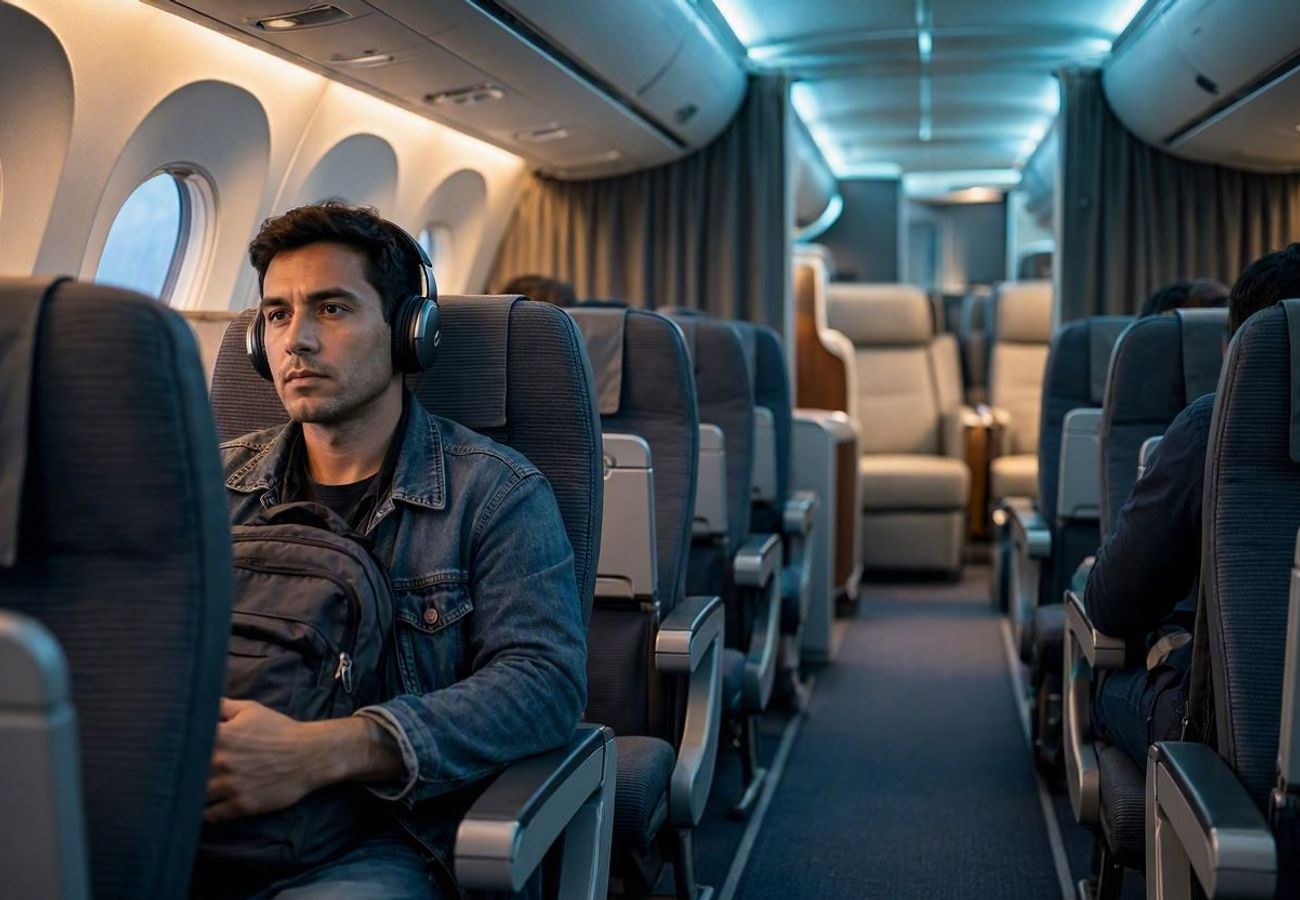
Image generated by AI
[Fort Worth, September 18, 2026] — American Airlines is intentionally degrading the value of its lowest-cost fare class to incentivize passengers to spend more on higher-tier tickets. The carrier has admitted that its Basic Economy product became "too easy to buy," leading to a strategic pivot designed to shift customer behavior away from the cheapest available options and toward revenue-generating upgrades.
The move comes as the airline analyzes its revenue streams, discovering that while Basic Economy seats account for more than 30% of its total seating capacity, they generate only half of the carrier's overall revenue. To correct this imbalance, American is systematically stripping away the remaining incentives for budget-conscious travelers, including the removal of loyalty rewards and elite status benefits for those booking the entry-level fare.
The Strategy Behind the Downgrade
The immediate trigger for these changes is a calculated effort to close the revenue gap between American and its primary domestic competitors, Delta and United. By making the cheapest seat objectively less attractive, the airline is forcing a "buy-up" effect. Internal data indicates this strategy is already working, resulting in a 5 percentage point increase in passengers opting for more expensive Economy fares.
American is moving away from a strategy of competing directly with ultra-low-cost carriers (ULCCs) like Frontier or the now-defunct Spirit Airlines. Instead, the airline is focusing on "intermediate" spending—targeting travelers who cannot afford a First Class ticket but are willing to pay a premium for modest comfort improvements.
Impacted Fare Classes and Passenger Segments
The restrictions are being rolled out in phases, targeting specific benefits that previously made Basic Economy palatable for frequent flyers.
| Benefit Removed | Effective Date | Impacted Passenger |
|---|---|---|
| AAdvantage Miles & Loyalty Points | December 2025 | All Basic Economy ticket holders |
| Complimentary Upgrades | May 2026 | Elite status members on Basic Economy fares |
| Preferred/Main Cabin Extra Seats | May 2026 | Elite status members on Basic Economy fares |
| Ticket Flexibility | Ongoing | All Basic Economy (No changes/cancellations) |
The airline currently transports between 150 million and 170 million domestic passengers annually. A significant portion of this volume is now being funneled toward the American Airlines AAdvantage program's higher-paying tiers as the budget option becomes increasingly restrictive.
What This Means for Travelers
For the average passenger, the "cheapest" ticket is now a bare-bones product with zero upside. If you book Basic Economy, you are essentially paying for a seat and nothing more.
The plain-language impact is as follows:
- Loyalty is ignored: Even if you hold top-tier elite status, booking a Basic Economy ticket renders that status irrelevant for that flight. You will not get a better seat, you will not get an upgrade, and you will earn zero miles toward your next reward.
- Strict Luggage Rules: The limit remains one carry-on bag and one personal item. Any deviation will result in gate fees.
- Zero Flexibility: Once the ticket is purchased, it cannot be changed or canceled.
- The "Comfort Gap": As the airline removes perks from the bottom, it is adding more "Main Cabin Extra" seats—which offer more legroom and preferred boarding—to capture the mid-range spender.
Travelers should be aware that while the airline is expanding these options, the onboard experience remains inconsistent. While the rollout of Starlink connectivity is ongoing across the fleet, seat-back entertainment is still not available on every aircraft. Passengers are encouraged to check their specific aircraft type via the Department of Transportation (DOT) guidelines or the airline's own flight details page before expecting specific amenities.
The 2030 Premium Expansion Plan
American Airlines is not just cutting the bottom; it is aggressively building the top. The carrier has announced a plan to increase its total premium seating capacity by approximately 40% by the end of the decade.
Currently, 25% of all seats on American aircraft are designated as "Premium." By 2030, the airline intends to increase this by an additional 15%. This expansion is not limited to the First Class cabin; a primary focus is the expansion of "Main Cabin Extra." These are standard Economy seats located in exit rows or at the front of the cabin that provide additional legroom.
By expanding the volume of these intermediate seats, American aims to create a wider "ladder" of pricing. This allows the airline to extract more revenue from the millions of passengers who find Basic Economy too restrictive but find First Class prohibitively expensive.
FAQ: American Airlines Basic Economy 2026
Do I still earn AAdvantage miles on Basic Economy tickets? No. For tickets purchased from December 2025 onward, Basic Economy fares do not earn AAdvantage miles or loyalty points, regardless of your membership status.
Can I use my Elite status to get a better seat in Basic Economy? No. As of May 2026, elite benefits, including complimentary upgrades and Preferred or Main Cabin Extra seating, are not applicable to Basic Economy tickets.
What is the difference between Main Cabin and Basic Economy? Main Cabin allows for ticket changes/cancellations and earns loyalty miles. Basic Economy is non-changeable, non-refundable, and provides no loyalty rewards or elite perks.
Will there be more legroom options available soon? Yes. American Airlines is increasing its premium seating capacity—specifically Main Cabin Extra—by 15% through 2030 to provide more mid-tier upgrade options.
The era of the "loyal budget traveler" is ending as airlines prioritize yield over volume.
Related Travel Guides
Disclaimer
This article is for informational and educational purposes only. It does not constitute legal, financial, or professional advice. While we strive to provide accurate and up-to-date information, travel policies, regulations, and conditions change rapidly. Always verify information with official sources before making travel decisions. Nomad Lawyer makes no representations about the accuracy, reliability, completeness, or suitability of the information provided. Readers should consult qualified professionals for advice specific to their circumstances. The views expressed in this article are those of the author and do not necessarily reflect the views of Nomad Lawyer.
Naina Thakur
Contributor & Travel Specialist
Travel enthusiast and legal writer covering visa regulations, responsible tourism, and cultural journeys across global destinations.
Learn more about our team →