
American Airlines Flight AA3216 Boeing 737-800 Diverts from Miami to Washington Dulles in 2026
American Airlines flight AA3216, a Boeing 737-800 traveling from Miami to Baltimore, was diverted to Washington Dulles International Airport on August 4, 2026, due to operational requirements.

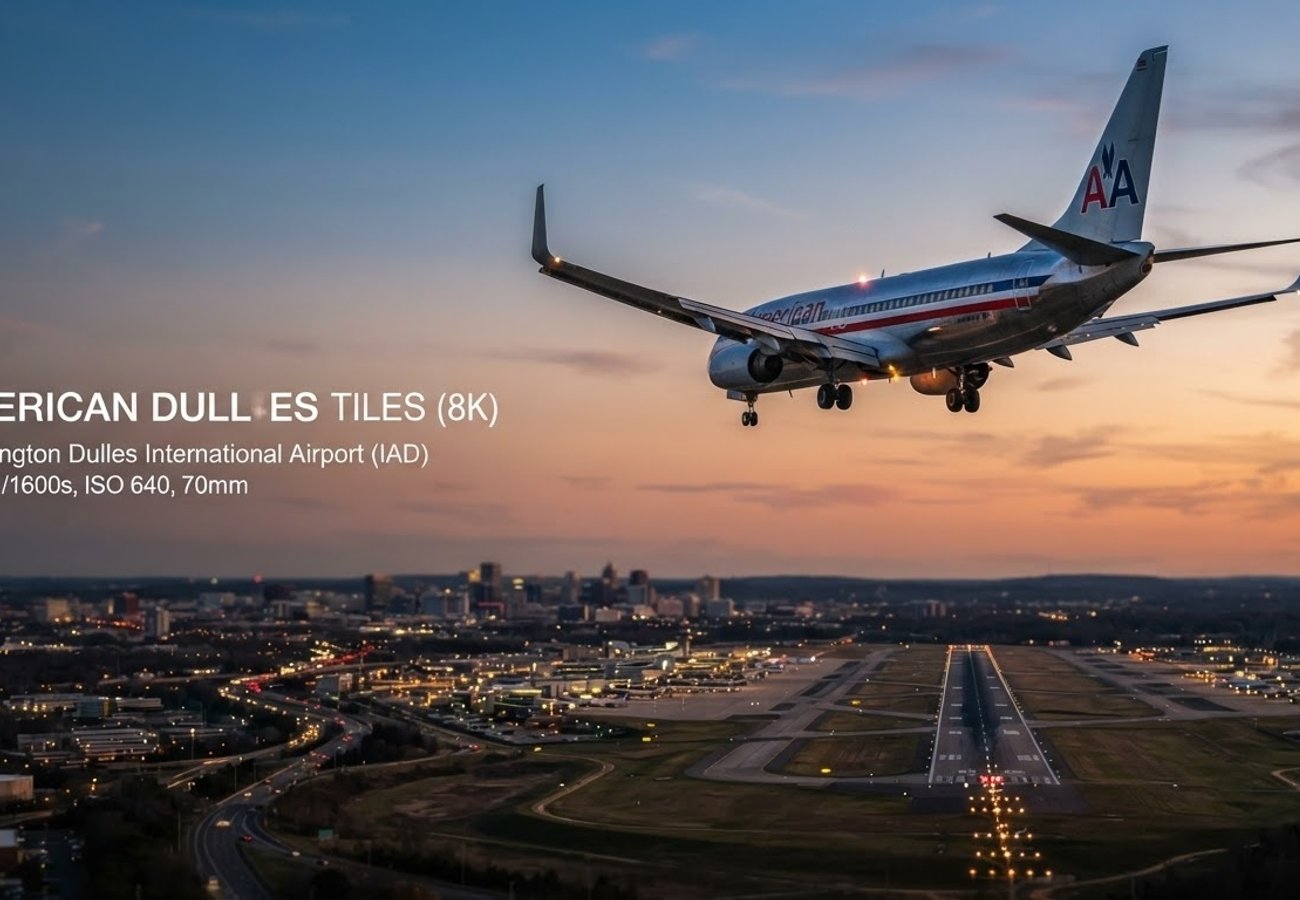
Image generated by AI
On August 4, 2026, American Airlines flight AA3216 was forced to divert to Washington Dulles International Airport (IAD) instead of its scheduled destination in Baltimore, landing safely despite the operational shift.
Operational Breakdown of Flight AA3216 Diversion
American Airlines flight AA3216, operated by a Boeing 737-800 (Registration: N917NN), departed from Miami International Airport (MIA) on August 4, 2026. The aircraft exited Gate E2 at approximately 7:15 PM EDT, bound for Baltimore/Washington International Airport (BWI).
During the transit, the flight crew initiated a diversion to Washington Dulles International Airport (IAD). The aircraft touched down at Dulles at approximately 10:14 PM EDT, arriving 27 minutes behind its original scheduled arrival time. While the airline did not immediately disclose the specific catalyst for the diversion, standard aviation protocols indicate such redirects typically stem from technical assessments, medical emergencies, adverse weather, or specific operational requirements.
Route and Aircraft Specifications
| Parameter | Detail |
|---|---|
| Flight Number | AA3216 |
| Aircraft Model | Boeing 737-800 |
| Aircraft Registration | N917NN |
| Departure Point | Miami International Airport (MIA) - Gate E2 |
| Original Destination | Baltimore/Washington International Airport (BWI) |
| Diversion Point | Washington Dulles International Airport (IAD) |
| Departure Time | 7:15 PM EDT (Aug 4, 2026) |
| Actual Arrival Time | 10:14 PM EDT (Aug 4, 2026) |
| Delay Variance | +27 Minutes |
Traveler Logistics Guide: Navigating Diversions in the DC Metro Area
From a ground-level perspective, the best way to navigate a diversion between BWI and IAD is to recognize that these airports, while both serving the Washington metropolitan region, are located in different jurisdictions and are not closely linked by a single transit line.
1. Ground Transportation and Transfers If you are diverted from BWI to IAD, do not assume a short shuttle exists. IAD is significantly further west than BWI. Travelers should utilize ride-sharing apps or official airport taxis. For those needing to reach Baltimore from Dulles, the most efficient method is a direct highway transfer via the I-495 and I-695 corridors, which can take 60 to 90 minutes depending on traffic.
2. Customs and Digital Transit Policies For domestic diversions, passengers generally remain in the secure area until the airline coordinates ground transport. However, if you are traveling with international connections, ensure your digital travel documents (such as Digi Yatra for those heading to India or ETIAS for European transfers) are accessible offline, as Wi-Fi stability in diversion terminals can be inconsistent during high-traffic disruptions.
3. Optimal Connection Buffer When booking tight connections in the Northeast corridor, a minimum layover of 3 hours is recommended. As seen with AA3216, even a "minor" diversion to a nearby hub can result in a 27-minute delay and a complete change in airport, potentially causing missed onward connections.
Infrastructure Impact Assessment
The diversion of AA3216 underscores the critical role of Washington Dulles International Airport (IAD) as a strategic relief valve for the Mid-Atlantic aviation network. With extensive runway capacity and robust ground-handling infrastructure, IAD serves as a primary alternative for aircraft unable to land at BWI or Reagan National (DCA).
This redundancy is essential for maintaining regional connectivity. The ability of American Airlines to pivot a Boeing 737-800 to a high-capacity hub ensures that safety is prioritized without completely severing the transit link to the Washington-Baltimore corridor. The resilience of this network minimizes the systemic shock of operational failures, though it places an immediate logistical burden on the passenger to navigate the distance between the two airports.
Safety protocols in modern aviation prioritize a secure landing over a scheduled destination every time.
Related Travel Guides
Disclaimer
This article is for informational and educational purposes only. It does not constitute legal, financial, or professional advice. While we strive to provide accurate and up-to-date information, travel policies, regulations, and conditions change rapidly. Always verify information with official sources before making travel decisions. Nomad Lawyer makes no representations about the accuracy, reliability, completeness, or suitability of the information provided. Readers should consult qualified professionals for advice specific to their circumstances. The views expressed in this article are those of the author and do not necessarily reflect the views of Nomad Lawyer.
Kunal K Choudhary
Co-Founder & Contributor
A passionate traveller and tech enthusiast. Kunal contributes to the vision and growth of Nomad Lawyer, bringing fresh perspectives and driving the community forward.
Learn more about our team →