
FAA Issues Ground Stops at 10 East Coast Airports as Severe Storms Trigger Thousands of Flight Cancellations in 2026
The Federal Aviation Administration implemented ground stops at 10 East Coast hubs due to severe thunderstorms, resulting in over 2,800 cancellations and 7,300 delays across the U.S. aviation network.

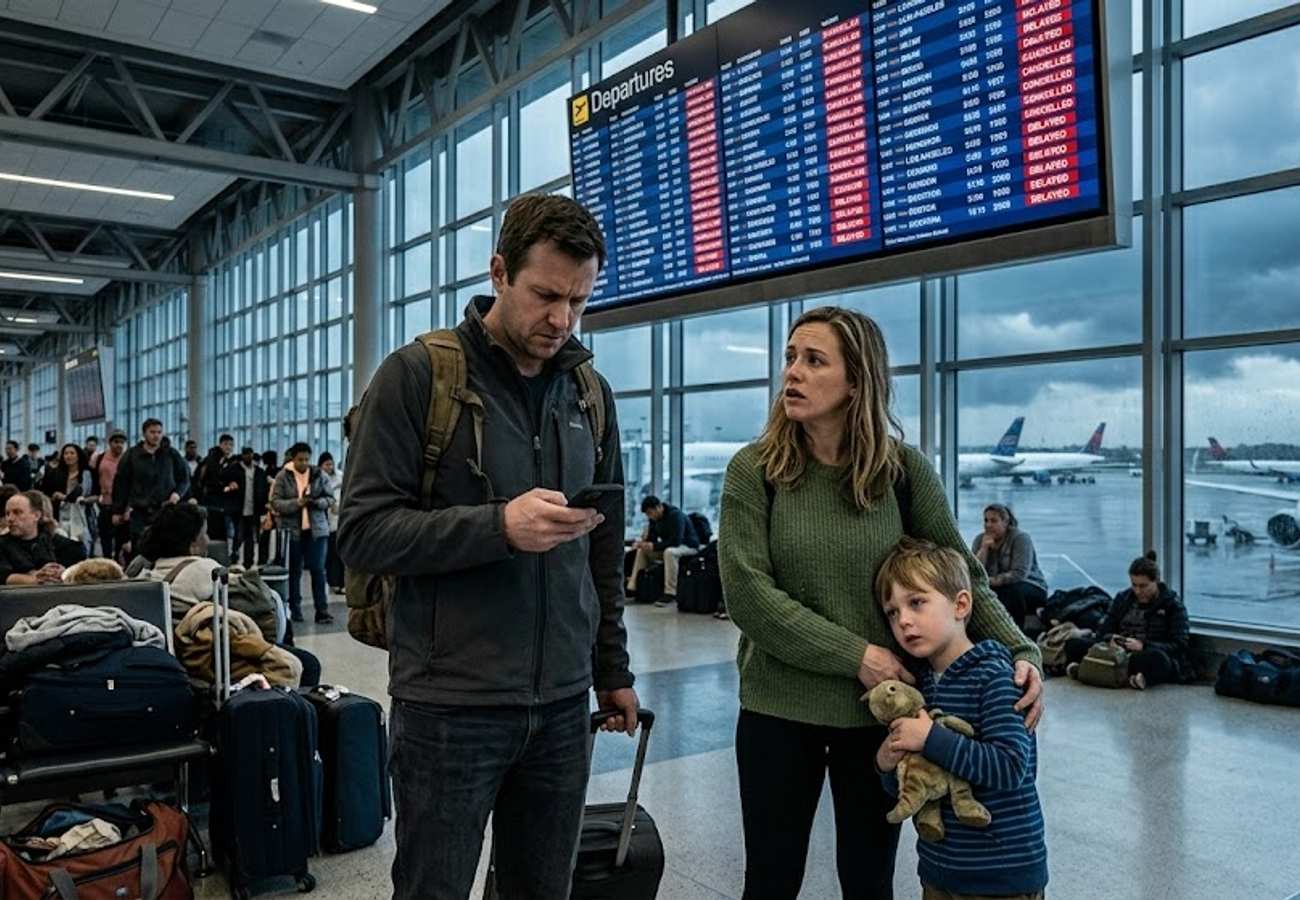
Image generated by AI
Severe weather systems across the Northeastern United States forced the Federal Aviation Administration (FAA) to halt operations at 10 major airports, leading to thousands of cancellations and systemic delays.
The aviation network faced significant disruption on July 21 and 22, 2026, as powerful thunderstorms, flash flooding, and tornado watches impacted the New York and New Jersey metropolitan areas. The FAA's decision to implement ground stops was a response to wind gusts reaching up to 70 mph, hail, and isolated tornadoes, which rendered flight operations unsafe.
Scale of Aviation Disruptions
The impact was felt nationwide, though concentrated on the East Coast. According to FlightAware data, 2,813 flights within, into, or out of the United States were canceled on Tuesday, July 21. Total delays reached 7,319, with ripple effects extending to major hubs outside the storm zone, including Chicago O'Hare, Dallas-Fort Worth, and Hartsfield-Jackson International.
At the epicenter, LaGuardia Airport experienced the highest volume of combined arriving and departing cancellations. Major hubs including John F. Kennedy International (JFK), Newark Liberty International (EWR), and Boston Logan International (BOS) each reported over 300 cancellations.
Airport and Airline Performance Data
The following tables detail the specific impact on regional infrastructure and the carriers most affected by the grounding.
Highest Departure Cancellations (July 22)
| Rank | Airport | Cancellations |
|---|---|---|
| 1 | John F. Kennedy International Airport | 58 |
| 2 | Reagan National Airport | 41 |
| 3 | Boston Logan International Airport | 35 |
| 4 | LaGuardia Airport | 31 |
| 5 | Newark Liberty International Airport | 24 |
Airlines with Highest Cancellation Volumes (July 21)
| Rank | Airline | Cancellations |
|---|---|---|
| 1 | Republic | 587 |
| 2 | American Airlines | 325 |
| 3 | JetBlue | 300 |
| 4 | Endeavor Air | 240 |
| 5 | Delta Air Lines | 231 |
| 6 | Southwest Airlines | 230 |
FAA Ground Stop Locations
The FAA officially halted flights at the following 10 East Coast facilities:
- Boston Logan International Airport
- Baltimore/Washington International Airport
- Ronald Reagan Washington National Airport
- Newark Liberty International Airport
- Westchester County Airport
- John F. Kennedy International Airport
- Washington Dulles International Airport
- LaGuardia Airport
- Philadelphia International Airport
- Teterboro Airport
Traveler Logistics Guide: Navigating Weather Ground Stops
When the FAA issues a ground stop, aircraft are prohibited from departing for the affected airport. This often results in "tarmac delays" where passengers remain on board for extended periods.
Booking and Rebooking Strategies
- Flexible Fare Options: During these events, major carriers (Delta, United, American, Southwest) typically waive change fees. Check official airline apps for "flexible rebooking" windows.
- Hub Diversion: If traveling to NYC, consider booking into airports further from the storm cell center, though in regional events, this is rarely feasible.
- Digital Notifications: Enable "One-Time Notifications" via airline mobile apps to receive real-time status updates before heading to the airport.
Optimal Connection Windows During peak storm seasons in the Northeast, avoid layovers of less than 3 hours at JFK, EWR, or LGA. The high probability of ground stops can lead to missed connections that may take 24-48 hours to resolve.
Rights and Regulations Passengers stuck on the tarmac are protected by Department of Transportation (DOT) rules regarding food, water, and restroom access. If a flight is canceled, passengers are entitled to a full refund of the unused portion of the ticket if they choose not to travel.
Infrastructure Impact Assessment
The repeated occurrence of "apocalyptic" weather events in the New York City metro area highlights a growing vulnerability in U.S. aviation infrastructure. The concentration of three major airports (JFK, EWR, LGA) in a single geographic corridor means that a single storm system can effectively sever the primary air link between the U.S. East Coast and the rest of the world.
The high cancellation rates for regional carriers like Republic and Endeavor Air suggest that short-haul feeder flights are the first to be compromised, creating a "bottleneck effect" that disrupts long-haul international schedules. As these weather patterns become more frequent, the industry may need to shift toward more decentralized hub-and-spoke models to maintain regional connectivity.
Travelers are advised to monitor FAA National Airspace System (NAS) status updates before departing for East Coast terminals.
Related Travel Guides
Disclaimer
This article is for informational and educational purposes only. It does not constitute legal, financial, or professional advice. While we strive to provide accurate and up-to-date information, travel policies, regulations, and conditions change rapidly. Always verify information with official sources before making travel decisions. Nomad Lawyer makes no representations about the accuracy, reliability, completeness, or suitability of the information provided. Readers should consult qualified professionals for advice specific to their circumstances. The views expressed in this article are those of the author and do not necessarily reflect the views of Nomad Lawyer.
Kunal K Choudhary
Co-Founder & Contributor
A passionate traveller and tech enthusiast. Kunal contributes to the vision and growth of Nomad Lawyer, bringing fresh perspectives and driving the community forward.
Learn more about our team →