
American Airlines Flight AA32 Harrisburg Airport Diversion
American Airlines Flight AA32, an Airbus A321 flying from Los Angeles to New York, diverted to Harrisburg International Airport on July 18, 2026.

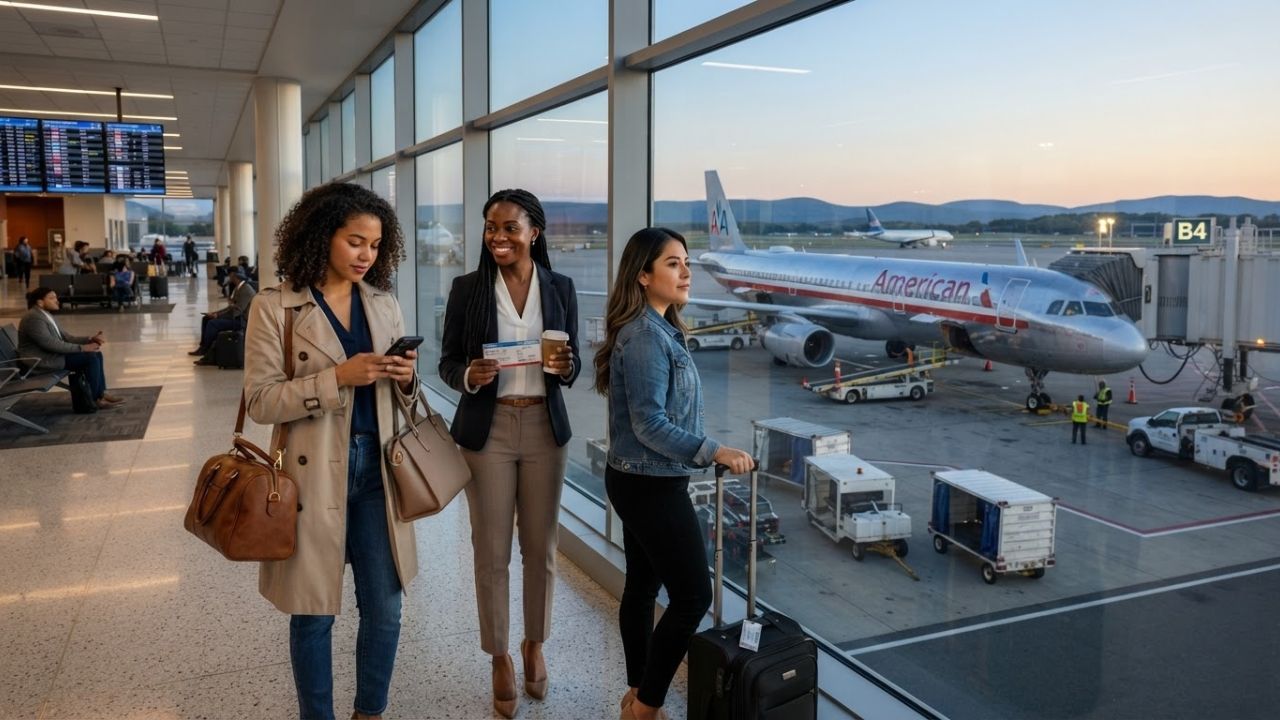
Image generated by AI
American Airlines Flight AA32 From Los Angeles to New York Diverts to Harrisburg Following Unexpected Operational Adjustments in July 2026
American Airlines Flight AA32 from Los Angeles to New York diverted to Harrisburg International Airport on July 18, 2026, due to operational changes. The Airbus A321 aircraft landed safely in Pennsylvania, resulting in arrival delays for passengers traveling to the East Coast.
The Disruption Details
Commercial flight routing along transcontinental corridors requires constant monitoring to ensure passenger and aircraft safety. On July 18, 2026, American Airlines Flight AA32, an Airbus A321 operating from Los Angeles International Airport (LAX) to New York John F. Kennedy International Airport (JFK), diverted from its planned route. The flight ended its journey at Harrisburg International Airport in Middletown, Pennsylvania, instead of its intended destination in New York.
Flight tracking systems show the transcontinental flight departed Los Angeles from Gate 46B at 10:56 AM PDT, which was nine minutes ahead of its scheduled departure time of 11:05 AM PDT. The aircraft was scheduled to arrive at JFK at 7:46 PM EDT but was redirected to Harrisburg, landing at 8:32 PM EDT. This routing change resulted in an arrival delay of approximately one hour and 16 minutes compared to the scheduled arrival time in New York. The carrier has not publicly confirmed the operational reason behind the diversion.
Precautionary flight diversions are standard aviation safety procedures utilized when direct access to a scheduled airport is restricted. Flight crews make these decisions in coordination with dispatch teams to manage real-time events such as air traffic congestion, adverse weather patterns, or minor maintenance checklists. Selecting a regional hub like Harrisburg ensures the aircraft lands at a facility with adequate ground handling resources and passenger services.
The key flight telemetry and operational statistics for the diverted flight are summarized in the table below:
| Flight Parameter | Operational Specification (AA32) |
|---|---|
| Carrier | American Airlines |
| Flight Number | Flight AA32 |
| Aircraft Model | Airbus A321 |
| Departure Airport | Los Angeles International Airport (LAX) |
| Departure Gate | Gate 46B |
| Planned Destination | New York John F. Kennedy International Airport (JFK) |
| Actual Landing Airport | Harrisburg International Airport (MDT) |
| Scheduled Departure Time | 11:05 AM PDT |
| Actual Departure Time | 10:56 AM PDT |
| Scheduled Arrival Time (JFK) | 7:46 PM EDT |
| Actual Arrival Time (MDT) | 8:32 PM EDT |
| Disruption Delay | 1 hour 16 minutes (76 minutes) |
Flight & Airport Impact Breakdown
The unexpected diversion of Flight AA32 affected several aspects of regional airport operations and traveler logistics:
- Hub Departure Impact: The early departure from Los Angeles International Airport (LAX) Gate 46B at 10:56 AM PDT indicates that initial ground operations and boarding were completed efficiently before the route change occurred.
- Alternate Terminal Landing: By landing at Harrisburg International Airport (MDT) at 8:32 PM EDT, the wide-cabin Airbus A321 utilized a key regional facility in Pennsylvania capable of handling transcontinental passenger volumes.
- Arrival Delays: Passengers experienced a delay of one hour and 16 minutes compared to their planned arrival time in New York. This delay impacted ground transfers, hotel bookings, and onward travel plans.
- Network Rotations: The redirection of the Airbus A321 to Harrisburg affected subsequent aircraft schedules, as the plane was slated for additional scheduled flights from New York JFK later that evening.
Passenger Rights & Advisory (Information Gain)
When domestic flights divert to alternative airports, passenger compensation and rebooking rights are determined by federal guidelines and carrier policies. Our analysis of the U.S. Department of Transportation (DOT) guidelines indicates the following resources are available to affected travelers:
- Right to a Refund: Under DOT regulations, passengers are entitled to a full refund of their ticket price, including baggage fees, if their flight is cancelled or experiences a significant schedule change and they choose not to travel. This applies to both refundable and non-refundable tickets.
- Carrier Controllable Delays: If a diversion is caused by controllable factors (such as maintenance or crew availability), American Airlines is committed to rebooking passengers on the next available flight at no extra cost. For delays exceeding three hours, the carrier must provide meal vouchers.
- Overnight Accommodations: For controllable disruptions that result in overnight delays, the airline provides complimentary hotel lodging and transit to the hotel.
- Weather-Related Reroutings: If the diversion is caused by severe weather or air traffic control directives, it is classified as non-controllable. In these cases, airlines are not legally required to pay for lodging or meals, though ground staff will assist travelers in securing discounted hotel rates where available.
Industry Analyst View
Operational data indicates that regional airports play a significant role in maintaining the stability of the national airspace network during disruptions. By redirecting flights to gateways like Harrisburg, carriers avoid adding to the congestion at major Northeast terminals like JFK, which operate near peak capacity. This strategy helps prevent cascading delays that can affect multiple flights across the country.
However, diversions place a logistical burden on airlines, which must coordinate replacement crews, ground transport, or positioning flights to return the aircraft to its scheduled route. Managing these disruptions effectively requires close coordination between airline operations center staff and regional airport teams. As carriers continue to optimize their networks, the reliability of secondary airports will remain key to minimizing the impact of travel disruptions on passengers.
FAQ: American Flight AA32 and Harrisburg Travel 2026
Why did American Flight AA32 divert to Harrisburg?
The specific operational reason for the diversion of Flight AA32 from Los Angeles to New York has not been publicly released by American Airlines.
What type of aircraft was operating Flight AA32?
The transcontinental flight was operated by an Airbus A321 passenger aircraft, which landed safely at Harrisburg International Airport.
How far is Harrisburg International Airport from New York City?
Harrisburg International Airport is located in Pennsylvania, approximately 170 miles west of New York City, requiring ground transit or rebooked flights to complete the journey.
Related Travel Guides
Taiwan Regional Tourism LCC Fleet Modernization
Airbus Planes Reveals 42,000 New Aircraft Demand Through 2045
Disclaimer
This article is for informational and educational purposes only. It does not constitute legal, financial, or professional advice. While we strive to provide accurate and up-to-date information, travel policies, regulations, and conditions change rapidly. Always verify information with official sources before making travel decisions. Nomad Lawyer makes no representations about the accuracy, reliability, completeness, or suitability of the information provided. Readers should consult qualified professionals for advice specific to their circumstances. The views expressed in this article are those of the author and do not necessarily reflect the views of Nomad Lawyer.
Kunal K Choudhary
Co-Founder & Contributor
A passionate traveller and tech enthusiast. Kunal contributes to the vision and growth of Nomad Lawyer, bringing fresh perspectives and driving the community forward.
Learn more about our team →