
American Airlines Flight AA2333 Airbus A320 Diverts to Los Angeles Airport from Palm Springs to Phoenix July 20 2026
American Airlines Flight AA2333 diverted to Los Angeles International Airport on July 20, 2026, after an unexpected route change during its flight from Palm Springs to Phoenix.

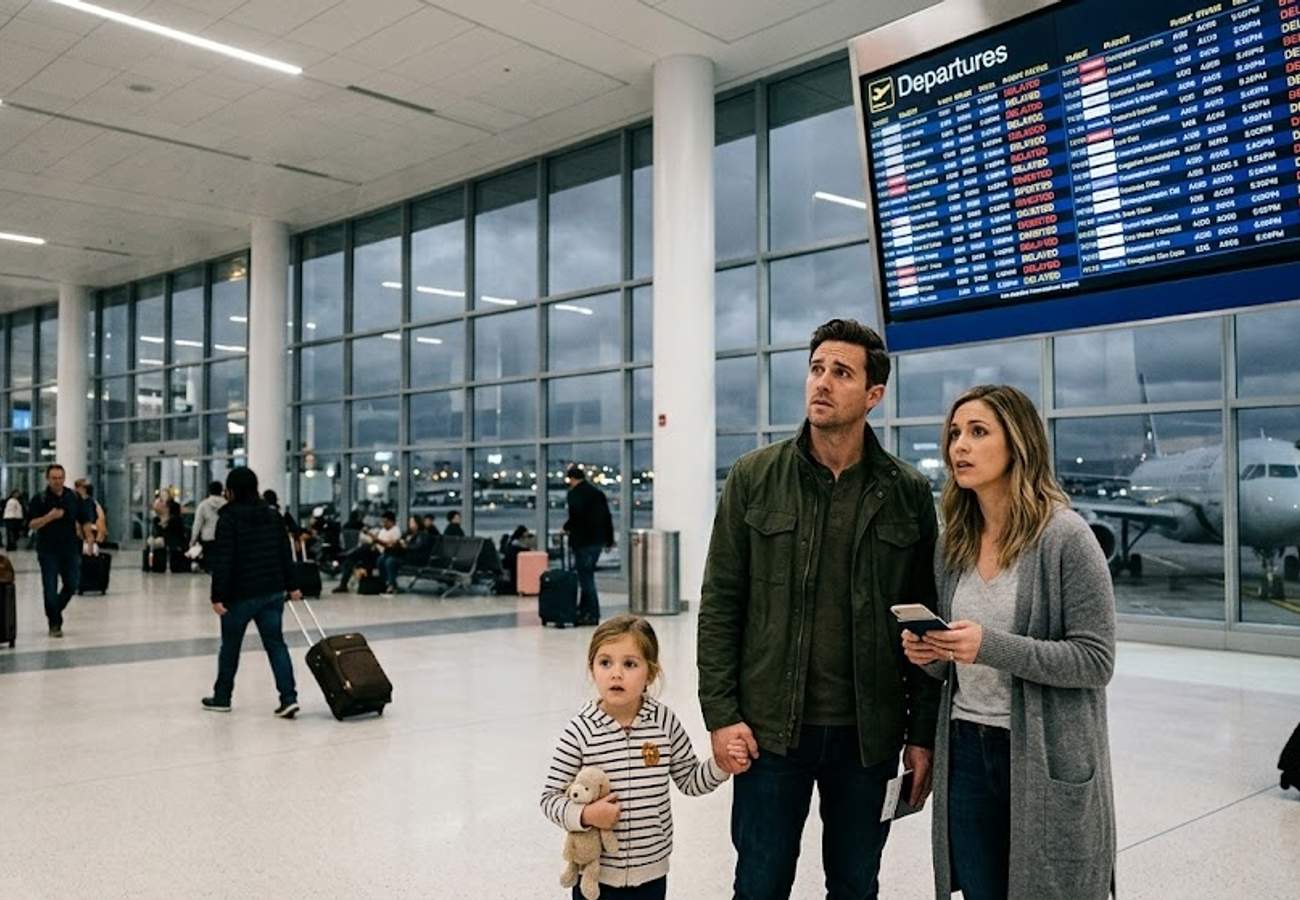
Image generated by AI
[Los Angeles, July 21, 2026] — An American Airlines regional service experienced a significant operational disruption on July 20, 2026, when Flight AA2333 was forced to divert to Los Angeles International Airport (LAX). The aircraft, which was originally scheduled to connect Palm Springs to Phoenix, landed in California following an unplanned change in its flight path.
The incident affected a key regional link between Southern California and Arizona, resulting in substantial delays for passengers. While the aircraft arrived safely, the diversion required immediate coordination between flight crews and ground operations to manage the displaced travelers.
Route Deviation from Palm Springs to Los Angeles
American Airlines Flight AA2333, also identified as AAL2333, was operating a scheduled leg from Palm Springs International Airport (PSP) to Phoenix Sky Harbor International Airport (PHX). The flight was serviced by an Airbus A320, registered under the tail number N652AW.
According to flight tracking data and operational reports, the aircraft departed from Gate 4 at Palm Springs International Airport. However, instead of maintaining its trajectory toward Arizona, the flight was redirected toward the coast. The aircraft eventually touched down at Los Angeles International Airport, arriving at Gate A6.
Industry observers note that the specific catalyst for the route change was not immediately disclosed by the carrier. Standard aviation protocols suggest that such diversions typically stem from a variety of factors, including sudden weather deterioration, technical anomalies requiring inspection, passenger medical emergencies, or air traffic control mandates.
Impact on Passenger Timelines and Logistics
The diversion created a significant gap in the travel schedule for those heading to Phoenix. The aircraft departed Palm Springs at 7:39 PM PDT and did not land at Los Angeles International Airport until 11:53 PM PDT.
This arrival time represents a delay of approximately 3 hours and 1 minute compared to the original scheduled arrival in Phoenix. The logistical challenge was compounded by the geography of the diversion; Los Angeles International Airport is situated roughly 370 miles away from the intended destination of Phoenix Sky Harbor.
Because of this distance, passengers were unable to reach their final destination immediately. Reports indicate that American Airlines teams had to implement recovery plans, which generally include rebooking passengers on the next available flights, providing hotel vouchers for overnight stays, or arranging alternative ground transportation depending on the operational capacity at the time.
Technical Specifications of the Airbus A320 N652AW
The aircraft involved in the diversion, N652AW, is an Airbus A320. This narrow-body aircraft is a staple of the American Airlines fleet, utilized extensively for short-to-medium haul domestic routes across the United States.
The A320 is favored for regional corridors, such as the link between California and Arizona, due to its balance of fuel efficiency, passenger capacity, and operational reliability. This specific route serves a dual purpose, catering to both the high volume of business travelers moving between regional hubs and the leisure market visiting Southern California's desert resorts.
Strategic Role of LAX as a Diversion Hub
The decision to redirect Flight AA2333 to Los Angeles International Airport is consistent with standard safety procedures. LAX serves as one of the primary aviation gateways in the United States and possesses the infrastructure necessary to handle unplanned arrivals on a large scale.
Aviation experts point out that LAX is chosen for diversions not only because of its proximity to Southern California departure points but also because of its comprehensive maintenance facilities. When an aircraft is diverted for technical reasons, landing at a hub with extensive engineering support allows for faster diagnostics and repairs, reducing the long-term impact on the airline's flight schedule.
Furthermore, the high frequency of flights departing from LAX to Phoenix ensures that the airline has a better chance of finding replacement aircraft or "recovery flights" to transport stranded passengers to their final destination.
Operational Recovery and Passenger Guidance
Following the landing at Gate A6, American Airlines focused on the recovery phase of the operation. This process involves calculating crew duty hours to ensure the pilots and flight attendants have not exceeded legal flying limits and assessing the aircraft's airworthiness for the remaining leg to Phoenix.
Passengers affected by the diversion were instructed to utilize the airline's mobile application and email notifications for real-time updates. The recovery time for diverted flights varies based on the availability of standby aircraft and the current congestion levels at the destination airport.
The event underscores the inherent volatility of regional aviation and the necessity of robust contingency planning. While the diversion caused a three-hour delay and a significant detour, the primary objective of the flight crew—the safe transport of passengers to a secure airfield—was successfully achieved.
Why This Matters: Analysis of Regional Network Vulnerability
The diversion of Flight AA2333 highlights a critical aspect of domestic aviation: the "domino effect" of regional disruptions. When a short-haul flight between two mid-sized hubs like Palm Springs and Phoenix is diverted to a massive hub like LAX, it creates a logistical ripple.
From an industry perspective, this incident demonstrates the reliance on "mega-hubs" to act as safety valves for the national airspace. The fact that an aircraft diverted 370 miles away from its destination emphasizes that safety margins always supersede schedule adherence. For passengers, this serves as a reminder that regional "short hops" can either be the most efficient or the most unpredictable segments of a journey.
Furthermore, the use of the Airbus A320 on this route shows the airline's strategy of using versatile, high-capacity aircraft on regional links to ensure that if a diversion occurs, there is enough seat capacity available at the diversion airport to facilitate a quicker recovery for the affected passenger group.
The safe landing of Flight AA2333 confirms that despite the inconvenience of a three-hour delay, aviation safety protocols remain the absolute priority in US domestic airspace.
Related Travel Guides
Disclaimer
This article is for informational and educational purposes only. It does not constitute legal, financial, or professional advice. While we strive to provide accurate and up-to-date information, travel policies, regulations, and conditions change rapidly. Always verify information with official sources before making travel decisions. Nomad Lawyer makes no representations about the accuracy, reliability, completeness, or suitability of the information provided. Readers should consult qualified professionals for advice specific to their circumstances. The views expressed in this article are those of the author and do not necessarily reflect the views of Nomad Lawyer.
Kunal K Choudhary
Co-Founder & Contributor
A passionate traveller and tech enthusiast. Kunal contributes to the vision and growth of Nomad Lawyer, bringing fresh perspectives and driving the community forward.
Learn more about our team →