
Hawaii Tourism Authority Adds Kawaii Kon to 2026 Official Calendar to Boost Anime Tourism in Honolulu
Honolulu is transforming into a hub for Japanese pop culture as the Hawaii Tourism Authority officially integrates Kawaii Kon into its 2026 event schedule, merging anime fandom with island leisure.

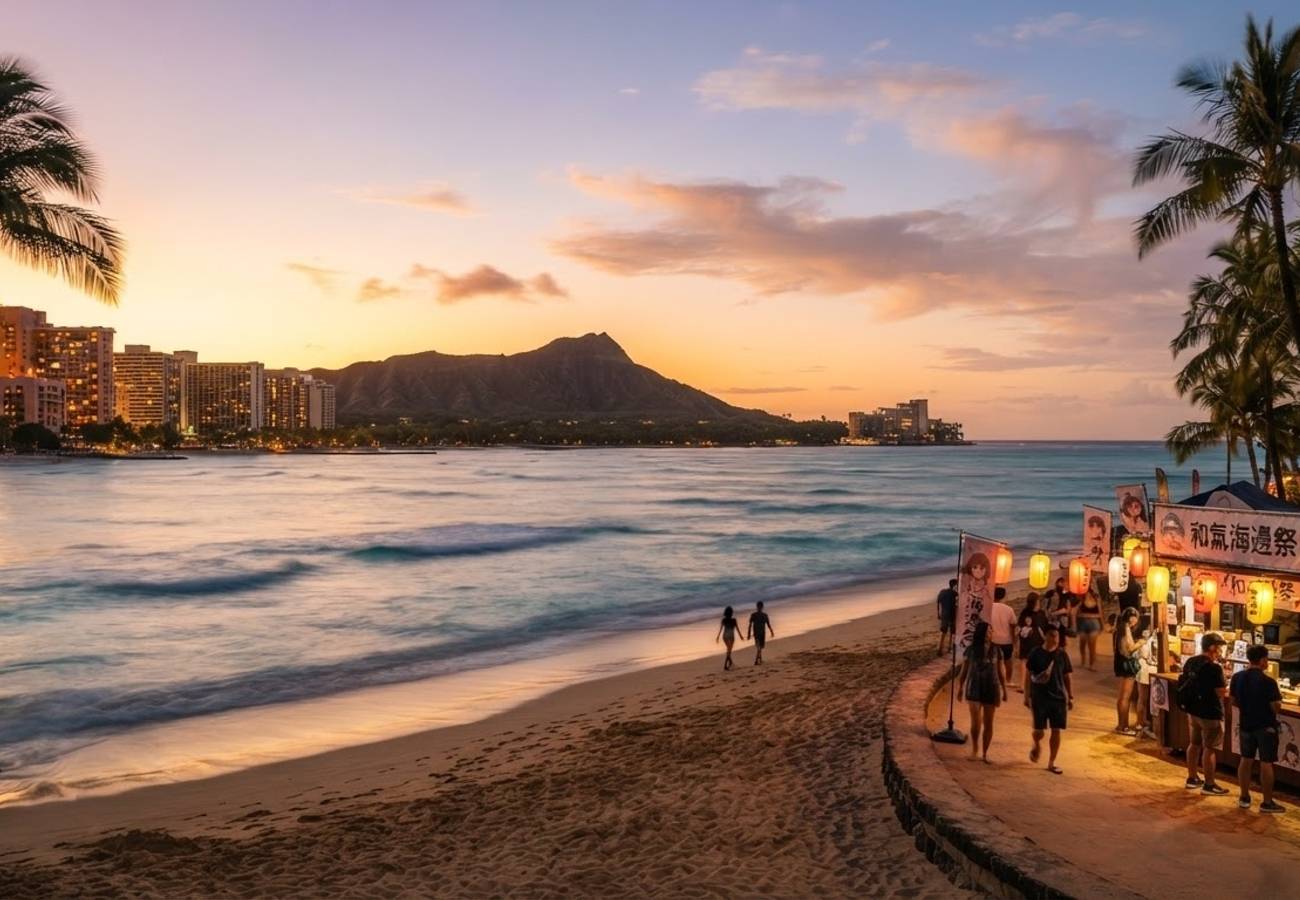
Image generated by AI
Honolulu is leveraging the global explosion of Japanese pop culture by officially integrating Kawaii Kon into the Hawaii Tourism Authority’s 2026 events calendar, creating a strategic incentive for anime and manga enthusiasts to visit the islands. By blending a high-energy fan convention with the leisure appeal of a Pacific paradise, Hawaii is positioning itself as a unique destination that transcends the traditional beach holiday.
The move signals a shift in how the islands attract visitors, moving beyond sun and surf to embrace "experiential tourism." For the modern traveler, this means the trip is no longer just about the destination, but about a specific, time-bound event that serves as the catalyst for a longer stay.
Hawaii Integrates Anime Culture Into Official Tourism Strategy
The inclusion of Kawaii Kon in the official 2026 tourism schedule marks a significant pivot for the Hawaii Tourism Authority. By listing the three-day celebration of Japanese anime, manga, and pop culture on its primary calendar, the state is providing a formal signal to global fans that Honolulu is a premier destination for fandom.
Official tourism calendars serve as critical planning tools for international and domestic travelers. When an event is formally recognized, it triggers a ripple effect across the local economy. Hotels in the Waikīkī area, local restaurants, and transport providers can better anticipate surges in demand, while travel agents can package the convention as a primary draw for customized itineraries.
Unlike permanent attractions or theme parks, Kawaii Kon is a fixed-date event. This creates a "booking trigger"—a specific window of time that compels a fan to commit to a flight and hotel. Once the initial booking is made for the convention, the broader appeal of Honolulu encourages visitors to extend their stay, transitioning from a three-day event attendee to a week-long tourist exploring the beaches and shopping districts of O‘ahu.
Kawaii Kon Transforms Honolulu Into a Pop Culture Hub
Hosted at the Hawaii Convention Center, Kawaii Kon functions as more than just a gathering; it is a social ecosystem. For many participants, anime is a deeply personal passion involving years of reading manga, collecting art, and engaging with online communities. The convention converts these private interests into a collective, physical experience.
The event structure focuses on active participation rather than passive observation. Attendees engage in:
- Cosplay: Designing and wearing intricate costumes to embody favorite characters.
- Interactive Panels: Attending discussions and Q&A sessions with creators and experts.
- Gaming and Art: Participating in competitive gaming and purchasing exclusive collectibles from artists.
- Social Networking: Meeting fellow enthusiasts in a physical space, a value that cannot be replicated via digital platforms.
By hosting this in Honolulu, the event benefits from a compact urban layout. The proximity of the Hawaii Convention Center to Waikīkī’s retail and dining sectors allows fans to pivot seamlessly from a day of cosplay to an evening of island exploration.
Diversifying the US Convention Landscape
While cities like Los Angeles, New York, and Orlando dominate the US pop-culture market, Honolulu is carving out a distinct competitive advantage. These mainland hubs rely on their proximity to film studios, global media headquarters, or massive theme park complexes. Honolulu, conversely, offers a "leisure-hybrid" model.
In this model, the convention is not the sole purpose of the trip but the starting point of a holiday. This creates a broader appeal for travel groups:
- Families: A parent may travel with a child attending the convention, spending their time enjoying the beaches while the child engages with the fandom.
- Couples: Partners can split their time between the high-energy atmosphere of the convention center and the relaxed environment of a Pacific resort.
- Curious Travelers: The event attracts those who may not be "hardcore" fans but are interested in Japanese aesthetics, gaming, or creative arts.
This strategy ensures that the economic impact of Kawaii Kon extends beyond the convention walls and into the wider visitor economy, benefiting a diverse range of local businesses.
The Intersection of Pacific Identity and Global IP
The synergy between Hawaii and Japanese pop culture is rooted in the islands' role as a gateway to the Pacific. As a crossroads between Asia and North America, Honolulu is a natural setting for a celebration of Japanese creativity.
The global reach of this trend is supported by data from the US International Trade Administration, which identifies Japan as a leading global supplier of influential intellectual property (IP) and video games. This global dominance ensures a steady stream of interest from fans in Europe, Latin America, and Asia, potentially turning Kawaii Kon into a transnational meeting point.
By respecting the Japanese roots of the content while providing a uniquely Hawaiian backdrop, the destination avoids the trap of artificiality. It does not claim to be the origin of anime but offers the most scenic and relaxing place to celebrate it.
The Shift Toward Experiential and Participatory Travel
The rise of anime tourism in Hawaii reflects a broader trend in the travel industry: the demand for participation over observation. Modern tourists are increasingly seeking "experiential tourism," where they are active protagonists in their travel stories.
Kawaii Kon satisfies this demand by allowing visitors to shape their own experience. Whether it is the tactile act of buying a limited-edition art print, the creative challenge of cosplay, or the social thrill of a gaming tournament, the visitor is an active participant. This creates a deeper emotional connection to the destination, making the trip more memorable and increasing the likelihood of repeat visits.
From a logistical standpoint, this shift means that Honolulu is no longer just a place to see sights, but a place to do things. The integration of pop culture into the official tourism framework proves that Hawaii is evolving to meet the needs of a younger, more diverse, and more active global traveler.
The fusion of high-energy fandom and island tranquility is redefining the modern Pacific getaway.
Related Travel Guides
Disclaimer
This article is for informational and educational purposes only. It does not constitute legal, financial, or professional advice. While we strive to provide accurate and up-to-date information, travel policies, regulations, and conditions change rapidly. Always verify information with official sources before making travel decisions. Nomad Lawyer makes no representations about the accuracy, reliability, completeness, or suitability of the information provided. Readers should consult qualified professionals for advice specific to their circumstances. The views expressed in this article are those of the author and do not necessarily reflect the views of Nomad Lawyer.
Preeti Gunjan
Contributor & Community Manager
A passionate traveller and community builder. Preeti helps grow the Nomad Lawyer community, fostering engagement and bringing the reader experience to life.
Learn more about our team →