
Louisiana Tourism Strategy 2026: State Targets Global Growth via Conservation and Authentic Culture
Louisiana is expanding its global tourism footprint by leveraging authentic Cajun culture and environmental conservation, reporting 45 million visitors and $19.5 billion in spending for 2025.

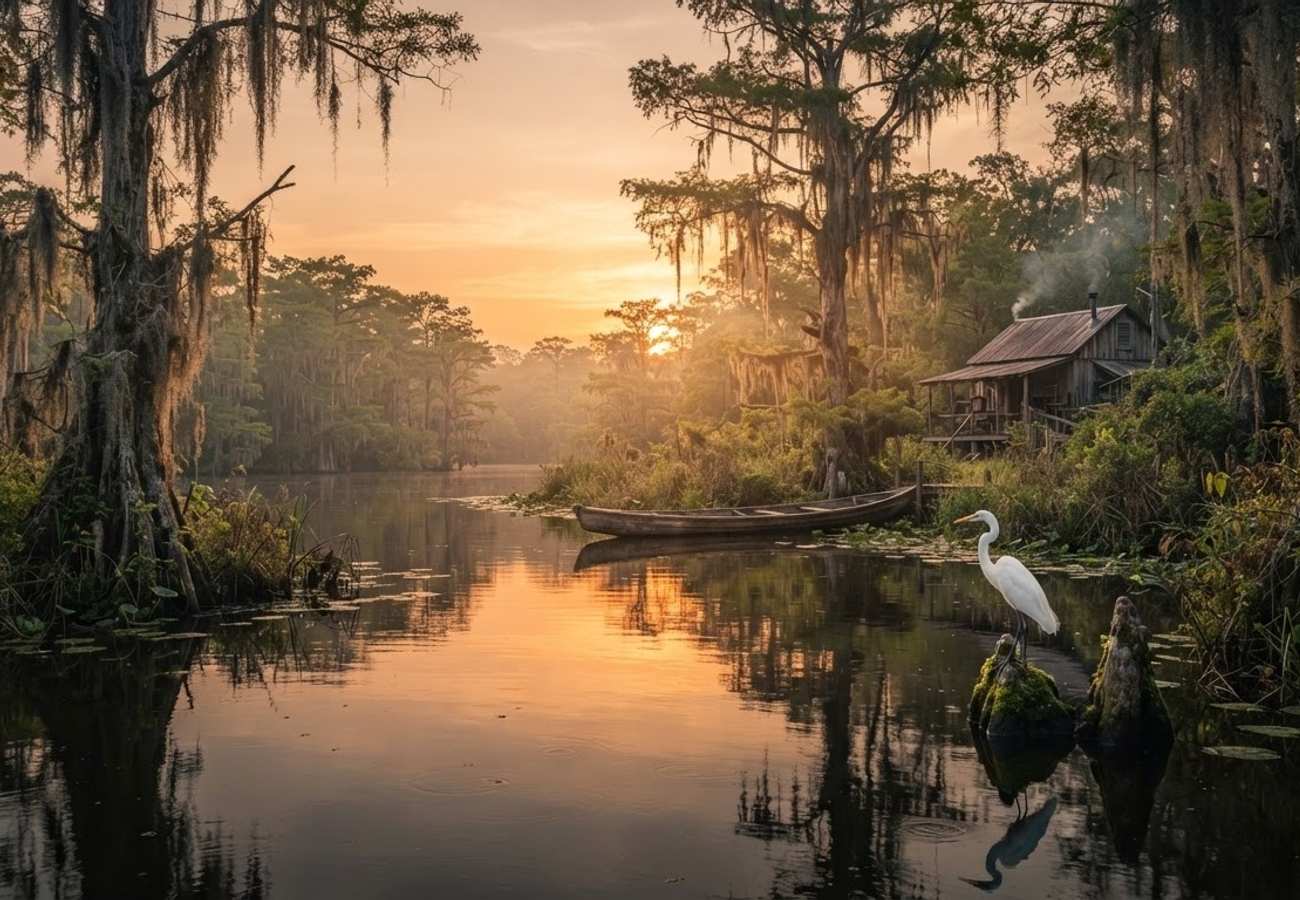
Image generated by AI
Louisiana is aggressively pivoting its tourism model to balance rapid economic growth with environmental preservation and cultural authenticity. The state is shifting focus from high-traffic landmarks to regional exploration to distribute wealth across smaller communities.
Strategic Shift in Louisiana Tourism
The Louisiana Department of Culture, Recreation and Tourism has implemented a revised strategy focusing on the intersection of heritage, nature, and community-led experiences. This approach responds to a global shift in traveler behavior, where visitors are increasingly prioritizing "authentic" connections over traditional sightseeing.
The state is leveraging its unique music, culinary traditions, and waterway systems to attract a more diverse demographic of domestic and international travelers. By promoting regional hubs beyond the primary urban centers, Louisiana aims to mitigate over-tourism in specific zones while boosting the economy of rural parishes.
Economic Impact and Visitor Metrics
Data released by state officials indicates that tourism has become a primary economic engine for the region. The scale of the industry is evidenced by the following 2025 statistics:
- Total Visitors: Approximately 45 million.
- Visitor Spending: Approximately $19.5 billion.
- Employment: Approximately 225,600 hospitality and tourism-related jobs statewide.
These figures highlight the dependency of local retailers, transportation services, and cultural venues on a steady influx of travelers.
Regional Distribution: Beyond New Orleans
While New Orleans remains the primary international gateway—driven by the French Quarter, Bourbon Street, and the Garden District—the 2026 strategy emphasizes a "distributed discovery" model.
Analysis of current tourism flows shows a push toward these key regional hubs:
- Lafayette and Cajun Country: Focused on music and culinary heritage.
- Baton Rouge: Centered on state history and landmarks.
- Shreveport-Bossier: Positioned as a hub for entertainment.
- The Northshore: Targeted toward nature and outdoor recreation.
Conservation and Environmental Integration
A critical component of the state's future is the "Love Our Waterways" initiative. This program integrates tourism development with the protection of rivers, lakes, and bayous.
Because the Atchafalaya Basin and other wetland ecosystems are primary draws for airboat adventures, kayaking, and wildlife observation, the state has identified environmental degradation as a direct threat to tourism revenue. Sustainable management is now framed as an economic necessity rather than just an ecological goal.
International Expansion and Domestic Reach
Louisiana is currently targeting high-growth international markets, specifically India, Italy, and Spain. These visitors typically exhibit higher average spend and longer durations of stay compared to domestic travelers.
Simultaneously, the "Louisiana Staycation Campaign" targets regional travelers to ensure consistent year-round spending, reducing the volatility associated with seasonal international travel.
Passenger Advisory: Navigating Louisiana Travel
For the traveler visiting Louisiana in 2026, the shift toward regional and "authentic" tourism changes the logistical approach to trip planning.
Transportation and Access Our analysis suggests that relying solely on New Orleans-based transport will limit access to the state's new priority zones. To reach Cajun Country or the Northshore, rental vehicles or regional shuttles are essential, as public transit infrastructure remains concentrated in urban hubs.
Sustainable Travel Compliance Visitors engaging in swamp tours or bayou excursions should be aware of increasing environmental regulations. For the affected passenger, this means adhering to strict "Leave No Trace" policies and utilizing certified eco-tour operators to avoid fines or restricted access to protected wetlands.
Event Planning and Overcrowding With the promotion of festivals throughout the year (beyond the peak Mardi Gras window), travelers should anticipate localized congestion in smaller towns. We recommend booking accommodations in regional hubs like Lafayette or Baton Rouge well in advance of cultural festivals to avoid price surges.
Industry Analyst View
Louisiana's strategy is a textbook example of "Tourism Dispersion." By actively steering visitors away from the saturated markets of New Orleans and toward the bayous and northern regions, the state is protecting its primary assets from degradation while diversifying its revenue streams. The success of this model depends entirely on the state's ability to maintain the "authenticity" it markets; if regional hubs become overly commercialized, the very appeal attracting the modern traveler will vanish.
The balance between economic exploitation and cultural preservation remains Louisiana's most delicate tightrope.
Related Travel Guides
Disclaimer
This article is for informational and educational purposes only. It does not constitute legal, financial, or professional advice. While we strive to provide accurate and up-to-date information, travel policies, regulations, and conditions change rapidly. Always verify information with official sources before making travel decisions. Nomad Lawyer makes no representations about the accuracy, reliability, completeness, or suitability of the information provided. Readers should consult qualified professionals for advice specific to their circumstances. The views expressed in this article are those of the author and do not necessarily reflect the views of Nomad Lawyer.
Preeti Gunjan
Contributor & Community Manager
A passionate traveller and community builder. Preeti helps grow the Nomad Lawyer community, fostering engagement and bringing the reader experience to life.
Learn more about our team →