
Alberta Aligns With Nova Scotia and Canadian Destinations to Fuel 6% Tourism Surge as Cross-Border Travel Shifts
Canada tourism records a 6% surge as Alberta, Nova Scotia, British Columbia, and Ontario attract international travellers seeking nature, culture, and coastal adventures.

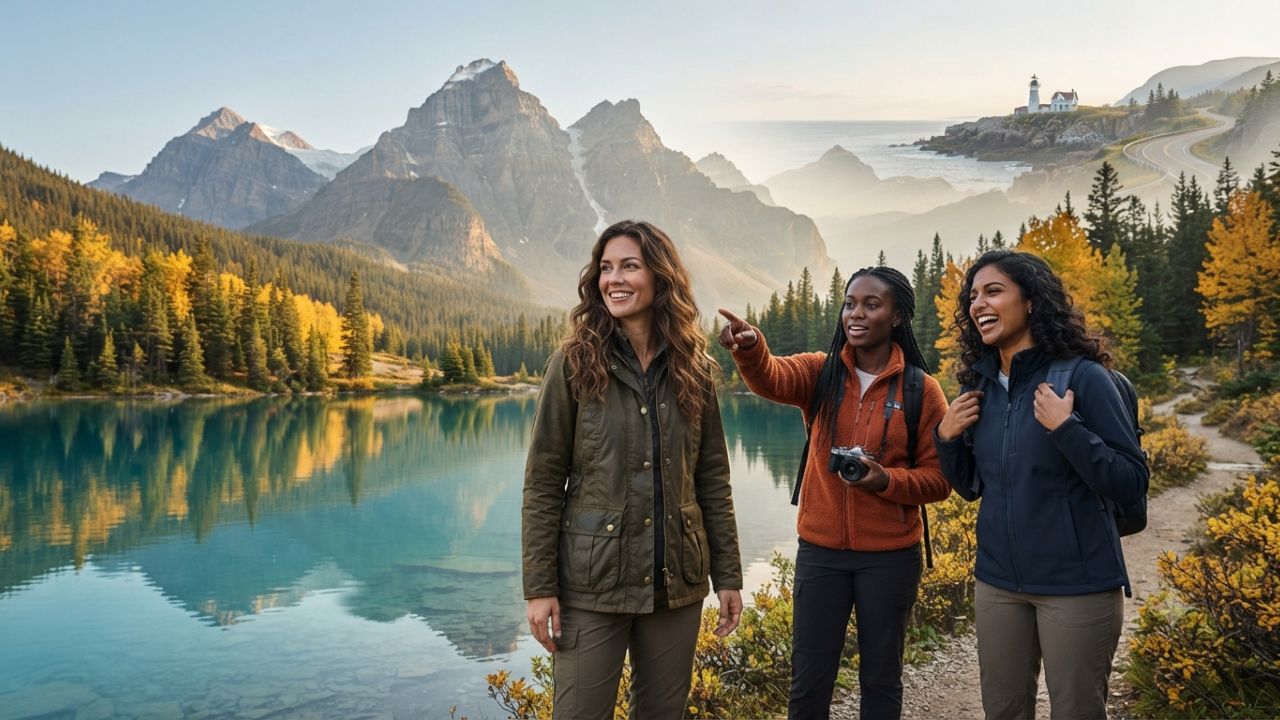
Image generated by AI
Canadian tourism has recorded a 6% increase in visitor activity and spending as provinces including Alberta, Nova Scotia, British Columbia, and Ontario draw record interest from domestic and international travellers. Supported by strategic campaigns from Destination Canada and shifting cross-border travel dynamics, visitors are increasingly selecting Canada's national parks, coastal drives, and cultural hubs over traditional United States vacation routes.
Evolving Travel Patterns & Cross-Border Economic Indicators
The shift toward Canadian regional travel is driven by changing North American travel preferences alongside data from Statistics Canada. Official statistics reveal that Canadian resident return trips from the United States dropped by 6.4% year-on-year in March 2026, marking an extended period of reduced southbound cross-border trips and a corresponding surge in domestic tourism investment.
Destination Canada's strategic economic model projects total national tourism revenue to reach CAD $216.3 billion by 2035, underscoring the long-term expansion of high-value experiential travel. Key factors redirecting visitor spending into Canadian provinces include:
- Nature-Centric Itineraries: High demand for protected national parks, alpine hiking, and dark-sky reserves.
- Familiar & Accessible Travel: Streamlined regional air routes and high-standard highway infrastructure.
- Cultural & Community Connection: Increased focus on Indigenous tourism, regional culinary heritage, and coastal maritime experiences.
- Sustainable & Slow Travel: Extended stays focused on outdoor wellness rather than high-density urban sightseeing.
| Canadian Region | Primary Growth Drivers | Key Visitor Attractions & Experiences | Target Traveller Profile |
|---|---|---|---|
| Alberta | Rocky Mountain adventures, luxury eco-lodges | Banff, Lake Louise, Jasper, Icefields Parkway, Calgary | Wilderness enthusiasts, skiers, dark-sky stargazers |
| Nova Scotia | Coastal drives, maritime culture, seafood gastronomy | Cabot Trail, Cape Breton, historic Halifax, iconic lighthouses | Road trippers, heritage travellers, coastal foodies |
| British Columbia | Ocean-to-mountain escapes, urban nature | Vancouver waterfront, Whistler Blackcomb, Vancouver Island | Eco-tourists, luxury wellness seekers, skiers |
| Ontario | Iconic natural landmarks, multicultural city hubs | Toronto, Niagara Falls wine country, Thousand Islands | International arrivals, city break & nature dual travellers |
| Quebec | European-style heritage, culinary festivals | Historic Old Quebec, Montreal festivals, Laurentians | Cultural history buffs, epicurean travellers |
| Atlantic Canada | Uncrowded coastlines, iceberg watching | Prince Edward Island, Gros Morne (NL), Bay of Fundy (NB) | Off-the-beaten-path explorers, marine wildlife watchers |
| Yukon & North | Arctic wilderness, dark-sky aurora viewings | Whitehorse, Dawson City, Northern Lights itineraries | Adventure travel, bucket-list aurora seekers |
Provincial Highlights: From the Canadian Rockies to the Atlantic Coast
Alberta: Alpine Wilderness & Dark-Sky Tourism
Alberta continues to anchor western Canada's tourism growth through its iconic Rocky Mountain corridors:
- Banff National Park: Renowned for Lake Louise, Moraine Lake, alpine hiking networks, and winter ski operations overseen by Parks Canada.
- Jasper National Park: Highlights remote wilderness encounters, glacier skywalks, and one of the world's largest accessible Dark Sky Preserves.
- Calgary Transit Gateway: Serves as the primary international air hub connecting global flights directly to alpine resort towns.
Alberta's tourism industry is experiencing a significant surge, with a 6% increase in visitors, as travellers opt for Canadian destinations over US trips. According to official statistics from the Government of Canada, this trend is expected to continue, with Alberta aligning with other provinces like Nova Scotia to promote tourism. The collaboration aims to showcase Canada's diverse attractions and experiences, from the Rocky Mountains to the Maritime coast.
Many travellers are now choosing destinations that offer:
Nova Scotia & Atlantic Coast: Maritime Heritage & Coastal Routes
Nova Scotia's tourism boom highlights growing demand for authentic maritime culture:
- Cabot Trail: A world-class 298 km loop highway carving through Cape Breton Highlands National Park.
- Halifax & Coastal Villages: Blending urban naval history with fresh lobster gastronomy and lighthouse trail excursions.
- Regional Maritime Expansion: Sister provinces Prince Edward Island, New Brunswick, and Newfoundland & Labrador report strong seasonal growth driven by iceberg watching and eco-tours.
British Columbia & Ontario: Urban Gateways & World-Class Landmarks
- British Columbia: Combines Vancouver's coastal urban culture with Whistler's premier mountain sports and Vancouver Island's whale-watching charters.
British Columbia & Ontario: Urban Gateways & World-Class Landmarks
- British Columbia: Combines Vancouver's coastal urban culture with Whistler's premier mountain sports and Vancouver Island's whale-watching charters.
- Ontario: Merges Toronto's international gateway infrastructure with Niagara Falls boat tours, regional wineries, and cottage country provincial parks.
Traveler Logistics & Inter-Provincial Transit Guide
Navigating Canada's top travel corridors involves well-coordinated transport infrastructure across vast geographical distances:
Entry Requirements & Border Logistics
International visitors entering Canada must secure either an Electronic Travel Authorization (eTA) for visa-exempt air travellers or a standard Visitor Visa prior to departure. Border crossings operate smoothly, with major international airports utilizing automated primary inspection kiosks.
Inter-Provincial Air & Rail Infrastructure
- Air Travel: Air Canada, WestJet, and regional carriers connect major gateways including Toronto Pearson (YYZ), Vancouver (YVR), Calgary (YYC), Montreal-Trudeau (YUL), and Halifax Stanfield (YHZ).
- Passenger Rail: VIA Rail Canada provides transcontinental passenger service on The Canadian (Toronto to Vancouver via Jasper) and eastern regional routes along the Quebec City–Windsor Corridor and Atlantic routes.
Driving Corridors & Road Trip Logistics
The Trans-Canada Highway serves as the national motoring backbone. Renting a vehicle or campervan is highly recommended for exploring national parks in Alberta and coastal loops in Nova Scotia. Snow tires or chains are mandatory on mountain passes (including Alberta's Highway 93 and BC routes) between October 1 and April 30.
Key Tourism Statistics & Growth Summary
- National Tourism Growth: 6% overall increase in Canadian tourism activity and visitor spending in 2026.
- Cross-Border Shift: 6.4% year-on-year drop in Canadian resident return trips from the US (March 2026).
- Long-Term Revenue Target: Destination Canada projects CAD $216.3 billion in national tourism revenue by 2035.
- Top Performing Destinations: Alberta Rockies, Nova Scotia Cabot Trail, BC Pacific Coast, Ontario natural landmarks.
Frequently Asked Questions: Canada Tourism Growth 2026
Passenger logistics are being streamlined to accommodate the influx of tourists, with major airlines like WestJet offering convenient flight schedules and routes to key destinations in Alberta and Nova Scotia. The Calgary International Airport and Halifax Stanfield International Airport are also enhancing their facilities and services to ensure a smooth travel experience for visitors. As a result, travellers can easily plan and book their trips to explore Canada's vibrant cities, stunning natural landscapes, and rich cultural heritage.
Why is tourism in Canada growing by 6% in 2026?
Canada's tourism growth is driven by increased domestic travel, a 6.4% reduction in Canadian trips to the US, strong international marketing by Destination Canada, and high demand for nature-based outdoor experiences.
What are the top destinations driving travel in Alberta and Nova Scotia?
In Alberta, Banff National Park, Jasper National Park, and Calgary lead visitor demand. In Nova Scotia, top attractions include the Cabot Trail, historic Halifax, and coastal maritime villages.
What entry documentation is required to travel to Canada in 2026?
International travellers require a valid passport and either an Electronic Travel Authorization (eTA) for visa-exempt citizens traveling by air or a Canadian Visitor Visa.
Calgary benefits from its role as a gateway between urban tourism and the Rocky Mountains. The city attracts visitors through:
Major events Food experiences Cultural attractions Access to nearby natural destinations
Alberta’s tourism industry has also focused on expanding visitor experiences, supporting businesses and encouraging longer stays.
Nova Scotia Expands Coastal Tourism With Authentic Maritime Experiences
Nova Scotia is emerging as another important destination in Canada’s tourism growth story. The province attracts visitors searching for coastal landscapes, seafood, heritage and slower travel experiences.
Tourism insights suggest that the surge in visitors is driven by Canada's reputation for safety, diversity, and hospitality, as well as the country's unique attractions and experiences. The official website of Destination Canada provides valuable information and resources for travellers, including travel guides, itineraries, and tips for exploring different regions and cities. By promoting its tourism industry and showcasing its many strengths, Canada is well-positioned to continue attracting visitors from around the world and fueling economic growth in provinces like Alberta and Nova Scotia.
Key tourism drivers include:
Nova Scotia Experience Tourism Attraction Cabot Trail Scenic coastal road journeys Halifax Urban culture and history Lighthouses Maritime heritage tourism Seafood tourism Local food experiences Coastal communities Authentic regional travel
Nova Scotia benefits from growing demand for destinations that provide unique local identity. Travellers are increasingly interested in places where they can experience regional culture, nature and community life.
British Columbia Strengthens Canada’s International Tourism Image
British Columbia remains one of Canada’s most recognised tourism regions, combining cities, mountains and coastline.
Vancouver Attracts Global Visitors
Vancouver continues to appeal through:
Waterfront attractions Diverse food culture Outdoor activities International events
The city provides a connection between urban tourism and natural landscapes.
Whistler Drives Adventure Tourism
Whistler remains a global mountain destination with:
Ski resorts Mountain biking Luxury accommodation Outdoor recreation
The destination supports Canada’s reputation as a leader in adventure travel.
Vancouver Island Builds Wildlife And Wellness Tourism
Vancouver Island attracts visitors through:
Whale watching Coastal experiences Nature retreats Wellness travel Ontario Boosts Tourism Through Cities And Iconic Attractions
Ontario continues playing a major role in Canada’s tourism growth by combining large cities with famous attractions.
Toronto Attracts International Travellers
Toronto offers:
Cultural attractions Entertainment Shopping Restaurants Waterfront experiences
As Canada’s largest city, Toronto remains an important international entry point.
Niagara Falls Maintains Global Tourism Power
Niagara Falls continues attracting millions of visitors through:
Waterfall viewpoints Boat experiences Family attractions Wine tourism
The destination remains one of Canada’s strongest global tourism symbols.
Quebec Strengthens Cultural Tourism Through Heritage And Food
Quebec provides a different tourism experience by combining European-style heritage with Canadian hospitality.
Montreal Creates A Cultural Tourism Hub
Montreal attracts visitors through:
Festivals Arts Food experiences Historic neighbourhoods Quebec City Promotes Heritage Travel
Quebec City remains popular for:
Old Town architecture Historic streets Cultural events Winter tourism
The province benefits from travellers seeking history, culture and unique city experiences.
Atlantic Canada Gains Momentum Through Coastal And Nature Tourism
Beyond Nova Scotia, other Atlantic destinations are increasing their tourism appeal.
Destination Tourism Strength Prince Edward Island Beaches, seafood, coastal experiences Newfoundland and Labrador Icebergs, wildlife, remote adventures New Brunswick Nature, cultural attractions, road trips
These regions are benefiting from travellers searching for less
FAQ: Alberta Aligns With Nova Scotia And Other 2026
What's driving the 6% tourism surge in Alberta? Increased interest in Canadian destinations over US trips.
What are the top attractions in Alberta for 2026? Banff National Park, Lake Louise, and Jasper National Park.
How does Nova Scotia's alignment with Alberta benefit travelers? Joint tourism initiatives offer more travel packages and deals.
What's the best time to visit Alberta in 2026? Summer months (June to August) for optimal weather and outdoor activities.
Related Travel Guides
- Peru's Inti Raymi 2026: High-Value Cultural Tourism Drives 35% Emission Cuts in Andean Transit
- Finland Teams Up With Seychelles And More Countries In Lifting Emirates Air Travel Growth With 75% Seat Capacity Rise
- New Caledonia Along With Vanuatu and More Witnesses a Skyrocketing Tourism Surge as Oceania Sees Immense Travel Demand in 2026
Disclaimer
This article is for informational and educational purposes only. It does not constitute legal, financial, or professional advice. While we strive to provide accurate and up-to-date information, travel policies, regulations, and conditions change rapidly. Always verify information with official sources before making travel decisions. Nomad Lawyer makes no representations about the accuracy, reliability, completeness, or suitability of the information provided. Readers should consult qualified professionals for advice specific to their circumstances. The views expressed in this article are those of the author and do not necessarily reflect the views of Nomad Lawyer.
Kunal K Choudhary
Co-Founder & Contributor
A passionate traveller and tech enthusiast. Kunal contributes to the vision and growth of Nomad Lawyer, bringing fresh perspectives and driving the community forward.
Learn more about our team →