Albania Joins Portugal and Slovenia as Europe’s 2027 Travel Surge Celebrates Untouched Landscapes and Cultural Treasures: All You Need to Know

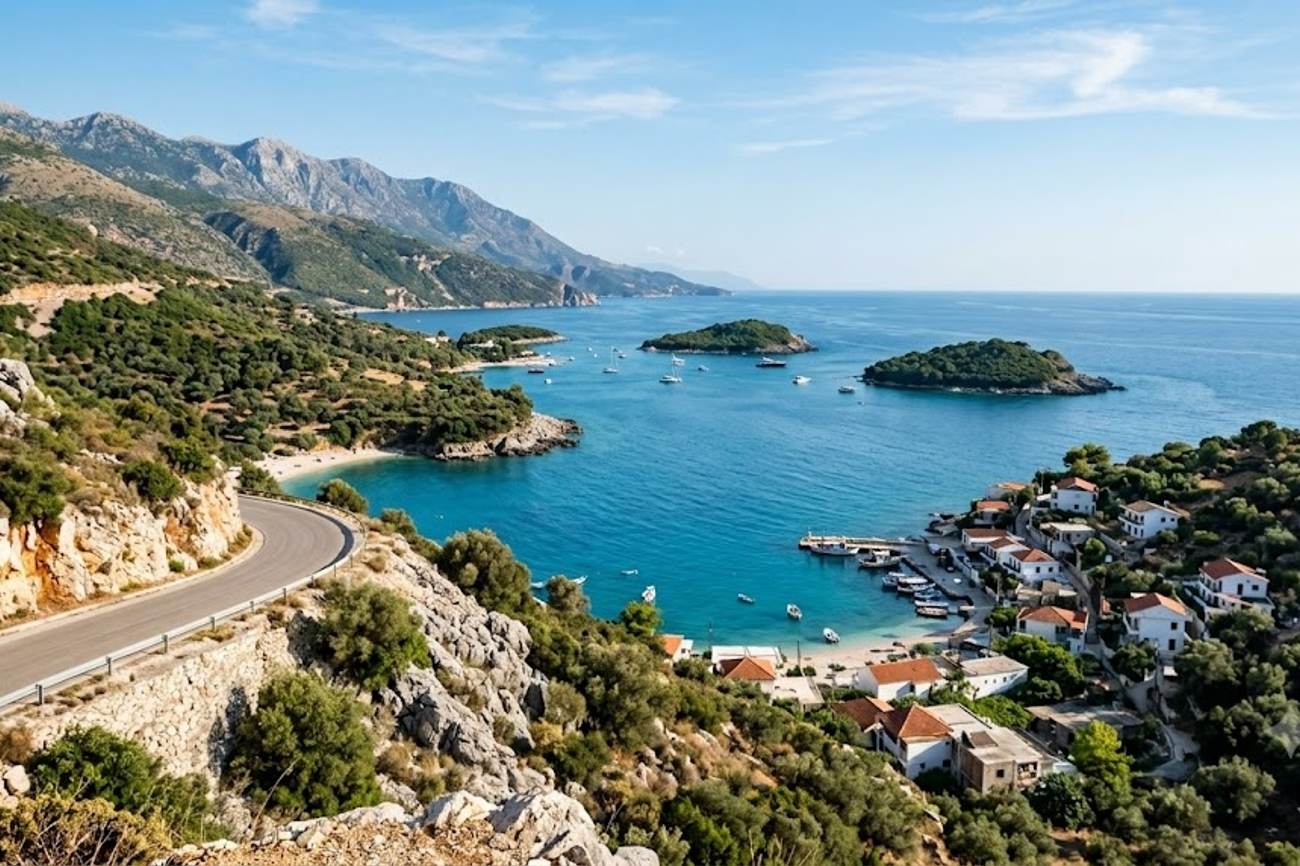
Image generated by AI
[Brussels, January 2027] — European tourism is undergoing a fundamental structural shift as travelers abandon traditional sightseeing in favor of "slow travel," sustainability, and deep cultural immersion. Data indicates a decisive move away from overcrowded monuments toward regional authenticity, with a surge in demand for nature-based tourism and gastronomy-driven itineraries across the continent.
The transition is characterized by a rejection of "checklist tourism." Instead, visitors are prioritizing longer stays in smaller towns, rural landscapes, and undiscovered coastal regions. This trend is driving significant growth in secondary markets—specifically in the Balkans and the Alps—where the focus has shifted from high-volume foot traffic to high-value, low-impact experiences.
The Shift Toward Experiential Tourism
The current catalyst for this change is a growing psychological preference for "meaningful journeys" over passive observation. Travelers are no longer satisfied with visiting famous landmarks; they are seeking active participation in local traditions and direct connections with community residents.
This evolution is manifesting in five primary travel drivers:
- Authentic Localism: A priority on connecting with indigenous cultures and community-led experiences.
- Nature-Centricity: Increased traffic toward mountains, forests, and wilderness areas for outdoor activity.
- Gastronomic Exploration: The use of regional cuisine and local agricultural products as the primary motivator for destination selection.
- Environmental Responsibility: A systemic shift toward sustainable travel choices and carbon-conscious planning.
- Slow Travel: A preference for extended durations in a single location to facilitate deeper exploration.
Regional Market Impacts and Emerging Hubs
The redistribution of tourist traffic is creating new economic opportunities for destinations that were previously overshadowed by major capitals.
The Balkan Surge: Albania Albania is currently one of Europe's fastest-growing markets for those seeking Mediterranean landscapes without the congestion of traditional hubs. The Albanian Ministry of Tourism is seeing increased interest in the Albanian Riviera.
- Ksamil: High demand for beaches and island vistas.
- Dhermi: Growth in coastal village tourism.
- Berat: Interest in historic architecture.
- Gjirokastër: Increased visits to UNESCO-listed cultural sites.
The Atlantic Balance: Portugal Portugal is leveraging a mix of urban heritage and rural escapes to maintain its market position. While Lisbon and Porto remain anchors, growth is shifting toward:
- Wine Regions: Gastronomy-led trips to the interior.
- Atlantic Coastline: Outdoor activities and rugged beach escapes.
- Island Destinations: Nature and adventure-based tourism.
The Sustainable Alpine Model: Slovenia Slovenia is positioning itself as the gold standard for environmentally responsible tourism. The Slovenian Tourist Board is reporting high engagement in:
- Lake Bled: Scenic and cultural tourism.
- Ljubljana: Urban culture and sustainable city living.
- Julian Alps & Soča Valley: High-altitude hiking and adventure sports.
Regional Diversification: Italy and Greece Traditional powerhouses are seeing a "de-centering" of their tourism. Italy is seeing a pivot away from the Rome-Venice-Florence triangle toward:
- Tuscany: Rural culinary tourism.
- Puglia: Traditional coastal village stays.
- The Dolomites: Mountain-based adventure.
- Sicily: Mediterranean heritage and archaeology.
Similarly, Greece is seeing a shift toward deeper archaeological discovery and traditional festivals in lesser-known island communities, moving beyond the primary tourist islands.
Central and Northern Escapes: Austria and the Nordics Austria continues to dominate the high-end wellness and Alpine segments, with Vienna and Salzburg serving as gateways to regional spa and winter activity hubs. Simultaneously, Northern Europe—including Norway and Finland—is seeing a rise in "cool-cationing," where travelers seek Arctic experiences, fjords, and sustainable Nordic living models to escape warmer climates.
Practical Traveler Advisory and Strategic Insights
For the modern traveler, these shifts translate into a change in how trips are booked, funded, and experienced.
Booking Patterns Expect a move away from all-inclusive packages toward modular, self-guided itineraries. Travelers are booking longer stays in single locations (Slow Travel) rather than hopping between five cities in ten days.
Transportation Shifts There is a massive pivot toward rail travel. The European Union's transport initiatives are supporting a trend where visitors use trains to connect multiple countries, reducing airport stress and lowering the carbon footprint of the journey.
Financial Implications Travelers are increasingly allocating budgets toward "experiences" (cooking classes, guided nature treks, local workshops) rather than luxury shopping or high-end hotel amenities.
Destination Selection The "hidden gem" effect is now a primary driver. Travelers are actively seeking destinations like Albania or the Slovenian countryside specifically because they are not overcrowded, leading to a more peaceful and authentic visitor experience.
The Future of European Infrastructure
The trajectory of European tourism is now inextricably linked to sustainability. Future development is focusing on responsible visitor management to prevent the "overtourism" seen in previous decades.
Key infrastructure priorities for 2027 and beyond include:
- Low-Impact Transport: Expansion of electric rail and bike-friendly corridors between rural villages.
- Community-Centric Models: Tourism frameworks that ensure profits remain within local communities rather than flowing to international hotel chains.
- Nature Preservation: Stricter regulations on visitor numbers in fragile ecosystems, such as the Julian Alps or the Arctic Circle.
- Culinary Integration: The formalization of "food trails" that link farm-to-table experiences with regional tourism boards.
As rail connectivity improves and the desire for authenticity grows, the European travel map is expanding. The future is no longer about the destination's fame, but about the depth of the connection a traveler can establish with the land and its people.
FAQ: European Travel Trends 2027
What is "Slow Travel" and how do I do it? Slow travel prioritizes quality over quantity. Instead of visiting multiple cities, you stay in one region for a longer period, using local transport and engaging with the community to experience the actual pace of life in that destination.
Which European countries are best for sustainable tourism right now? Slovenia is a leader in environmentally conscious tourism. Additionally, the Nordic countries (Norway, Finland) and Albania offer sustainable alternatives to the overcrowded hubs of Western Europe.
Is rail travel actually more convenient than flying in 2027? Yes, for multi-destination trips. Rail allows you to travel from city center to city center, avoiding airport security and transfers, while offering scenic routes through the countryside that are missed during flights.
How is "Food Tourism" different from just eating at restaurants? Food tourism involves immersive experiences, such as visiting local markets, participating in regional harvests, taking traditional cooking classes, and visiting vineyards or farms to understand the origin of the cuisine.
The era of the tourist is ending; the era of the traveler has begun.
Related Travel Guides
- Cambodia and China Expanding its New Tourism Cooperation Through Culture Visa Support and Visitor Campaigns
- Explore Playa Pelada: Costa Rica’s Revolutionary Accessible Beach and Circular Economy Hub
- World Tourism Day 2026 Boosts Global Tourism Projects Through New Funding Opportunities :All You Need to Know
This article is for informational purposes. Flight routes, passenger regulations, visa rules, and transit advisories are subject to change by airlines and aviation authorities. Readers are advised to verify schedules and travel documentation with relevant carriers and border agencies before departure.
Related Stories
EU ETIAS Launch Delayed to 2027 as EES Biometric Border Checks Expand to 29 Countries
Uzbekistan, Albania, and Central Asia Tourism Boom 2026: Rights and Risks for Explorers