
Albania and Germany Pivot to Offbeat Autumn Tourism to Combat Mass Crowds in 2026
Albania, Germany, and several European nations are aggressively promoting hidden villages and mountain escapes for Autumn 2026 to divert traffic from overcrowded capitals.

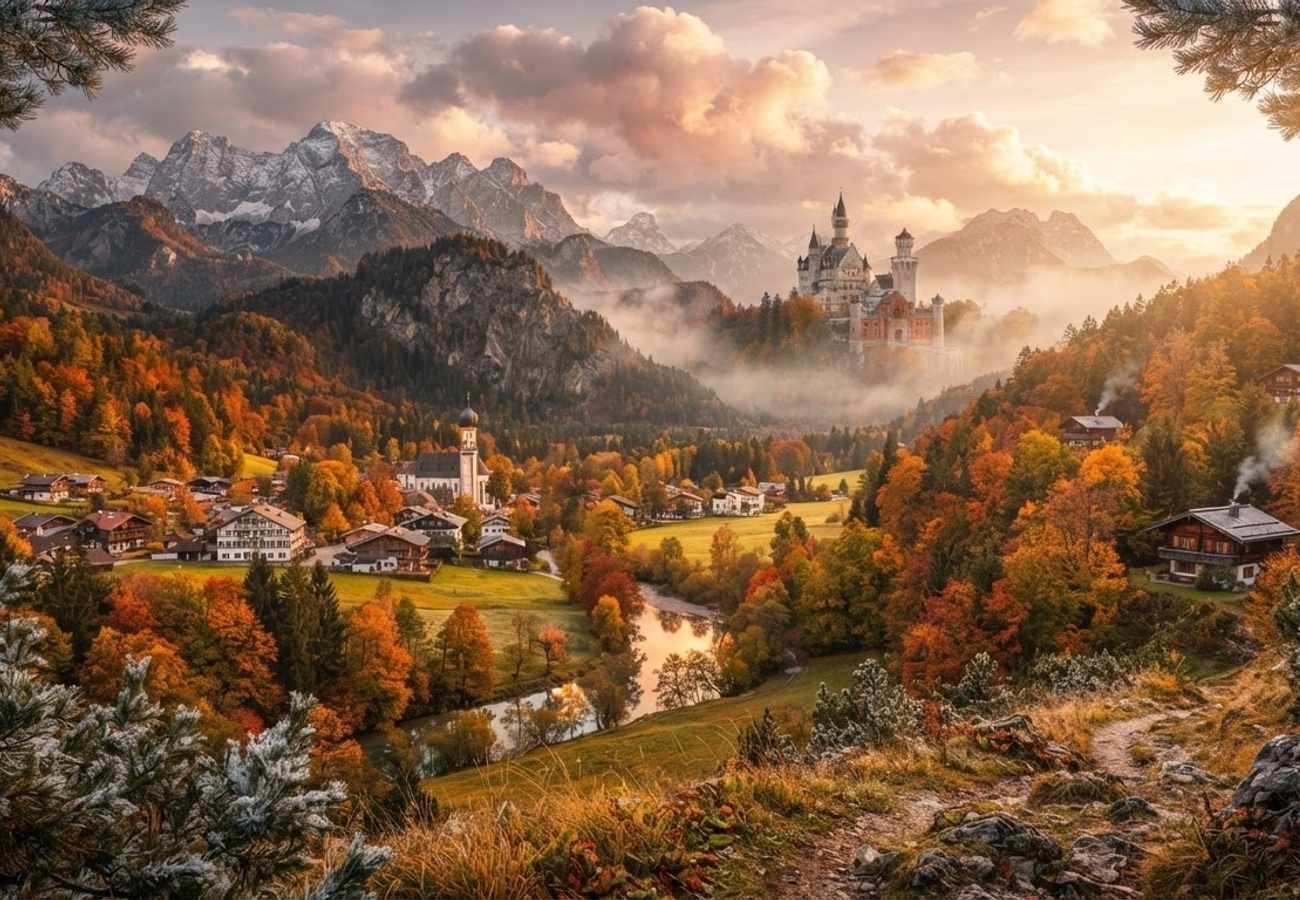
Image generated by AI
European tourism is undergoing a structural shift for Autumn 2026, as nations like Albania and Germany pivot away from capital-city centric models to promote "hidden treasure" rural destinations.
The traditional tourism map of Europe is being redrawn. Rather than funneling international arrivals into saturated hubs, several governments are now incentivizing travel to remote villages, mountain ranges, and forest reserves. This movement is driven by a growing demographic of travelers seeking affordability, quieter environments, and authentic cultural immersion over commercialized city breaks.
The Shift Toward Rural Magnets
The current trend sees a strategic move toward "offbeat" tourism. For the 2026 autumn season, the focus has shifted to regions offering dramatic seasonal landscapes and outdoor adventure.
Albania is currently leading this wave. By positioning itself as an affordable alternative to the crowded Mediterranean, the country is promoting the Albanian Alps, Berat, and Gjirokastër. The strategy focuses on hiking, nature tourism, and traditional lifestyles to attract adventure travelers who avoid mass-tourism hotspots.
Germany is implementing a similar strategy by pushing visitors beyond Berlin and Munich. The focus has shifted to Bavaria’s Alpine villages and historic castles, utilizing the region's autumn foliage and traditional food culture to distribute tourism revenue into smaller communities.
Regional Strategies for Autumn 2026
Different European nations are leveraging specific natural and cultural assets to attract the "slow travel" market:
- Latvia: Utilizing Sigulda, Gauja National Park, and Turaida Castle to market forest landscapes and nature parks.
- Slovenia: Focusing on sustainable, green escapes through Alpine landscapes and rural communities, moving beyond the primary attraction of Lake Bled.
- Italy: Encouraging "slow travel" in Tuscany and Sicily to move visitors away from the Rome-Venice-Florence triangle.
- United Kingdom: Promoting the Scottish Highlands and the English Lake District for walking holidays and remote valley experiences.
- Czechia: Expanding regional tourism beyond Prague to highlight medieval architecture in smaller towns.
- Monaco: Pivoting luxury tourism toward high-end dining and coastal experiences in a more relaxed, post-summer atmosphere.
Strategic Tourism Focus Areas
| Country | Primary Autumn Target | Key Attractions | Strategic Goal |
|---|---|---|---|
| Albania | Mountain Villages | Albanian Alps, Berat, Gjirokastër | Authenticity & Affordability |
| Germany | Rural Bavaria | Alpine villages, Neuschwanstein Castle | Urban Decongestion |
| Latvia | Forest Reserves | Sigulda, Gauja National Park | Nature-Based Icons |
| Slovenia | Green Escapes | Alpine trails, rural communities | Sustainability |
| Italy | Rural Hamlets | Tuscany, Sicily wine regions | Slow Travel / Local Culture |
| UK | Countryside | Scottish Highlands, Lake District | Outdoor Adventure |
Why This Matters: Industry Analysis
From a logistical and economic perspective, this shift is a direct response to "overtourism." For years, European capitals have struggled with infrastructure strain and local resentment. By rebranding "secret" locations as "magnets," these countries are effectively diversifying their economic risk.
For the traveler, the real impact is a change in value proposition. We are seeing a transition from "checklist tourism" (visiting the Eiffel Tower or Colosseum) to "experiential tourism." This allows smaller municipalities to capture international spend that previously never left the major cities.
Our analysis suggests that this is not merely a seasonal trend but a long-term strategy to build sustainable tourism ecosystems. By promoting the Albanian Alps or Latvian forests, these nations are creating a year-round appeal that reduces the volatility of the summer peak.
Forward Outlook
Expect to see an increase in infrastructure development in rural corridors—specifically improved regional transport and boutique eco-lodgings. As the "offbeat" becomes the "new mainstream," these destinations will likely introduce stricter visitor management systems to prevent the very overcrowding they are currently fleeing in their capitals.
The era of the city-break is evolving into the era of the regional escape.
Related Travel Guides
Disclaimer
This article is for informational and educational purposes only. It does not constitute legal, financial, or professional advice. While we strive to provide accurate and up-to-date information, travel policies, regulations, and conditions change rapidly. Always verify information with official sources before making travel decisions. Nomad Lawyer makes no representations about the accuracy, reliability, completeness, or suitability of the information provided. Readers should consult qualified professionals for advice specific to their circumstances. The views expressed in this article are those of the author and do not necessarily reflect the views of Nomad Lawyer.
Raushan Kumar
Founder & Lead Developer
Full-stack developer with 11+ years of experience and a passionate traveller. Raushan built Nomad Lawyer from the ground up with a vision to create the best travel and law experience on the web.
Learn more about our team →