
Alaska Airlines Flight AS9450 Returns to Oklahoma City
Alaska Airlines flight AS9450, a Boeing 737-790 from Oklahoma City to Seattle, returned to origin on August 4, 2026.

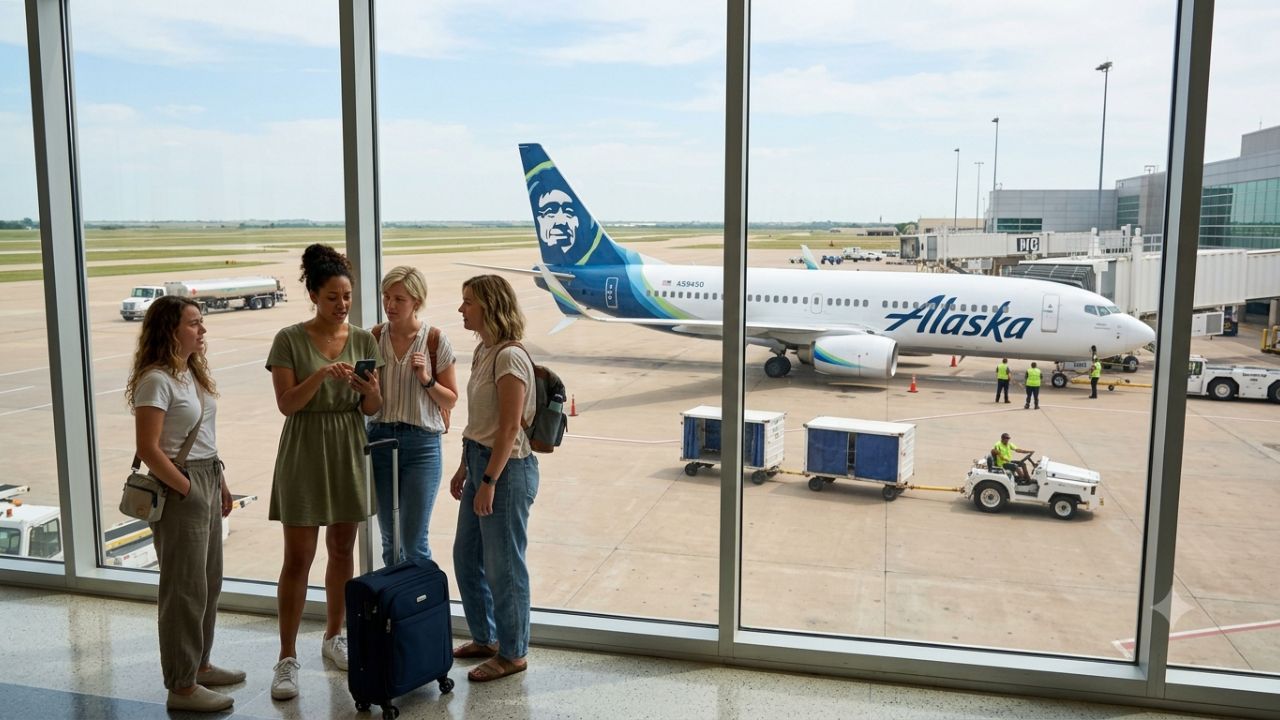
Image generated by AI
Alaska Airlines flight AS9450, a Boeing 737-790 from Oklahoma City to Seattle, returned to its origin at Will Rogers World Airport on August 4, 2026, shortly after departure. The aircraft subsequently resumed operations on the same route later that afternoon, highlighting regional transit resilience.
The domestic aviation network in the United States requires high levels of operational flexibility, particularly along regional corridors connecting Midwestern gateways with major hubs in the Pacific Northwest. When unexpected flight disruptions occur shortly after takeoff, flight crews may choose a return-to-origin safety procedure rather than diverting to an alternative airport. Landing back at the departure point provides immediate access to the airline's established ground crews, passenger rebooking systems, and maintenance facilities, minimizing the broader impact on flight rotations.
For the modern traveler, a return to origin is a standard safety protocol. Understanding how these decisions are managed on the ground, and how airlines quickly resume service, helps passengers maintain flexibility when unexpected schedule changes occur.
The Local Trend Revealed
The flight disruption involving Alaska Airlines Flight AS9450 occurred on August 4, 2026, during its scheduled service from Oklahoma City Will Rogers World Airport (OKC) to Seattle-Tacoma International Airport (SEA). The aircraft operating the route was a Boeing 737-790 registered as N615AS. The flight departed Oklahoma City at approximately 9:59 a.m., broadly in line with its scheduled 10:00 a.m. departure time, and was expected to arrive in Seattle at 11:51 a.m.
However, shortly after takeoff, the flight reversed course and returned to Oklahoma City, landing safely at its original departure point. While the specific reason for the return has not been officially released by Alaska Airlines or aviation regulators, flight-tracking data shows that the same aircraft subsequently resumed operations on the same city pair later that day. The later service departed Oklahoma City at approximately 5:32 p.m. and arrived in Seattle at 7:19 p.m., indicating that the route was completed after the earlier operational issue was resolved.
Cultural & Environmental Value (Information Gain & Experience)
For the visitor, the real value of Oklahoma City’s aviation sector is its focus on customer service and regional environmental efficiency. In coordination with the Federal Aviation Administration (FAA) and the Oklahoma City Airport Trust, Will Rogers World Airport implements modern airport management systems to handle unscheduled flight returns with minimal ground delays. By returning to the origin airport instead of continuing a long-distance flight with an unresolved issue, the airline avoids unnecessary fuel burn over the Rocky Mountains, reducing carbon emissions and managing resources responsibly.
Additionally, the airport corridor supports the regional economy by sourcing catering and concession products from local growers. Oklahoma's agricultural heritage is highlighted in terminal dining options, which source beef, wheat, and dairy from regional farming cooperatives. When a flight returns to OKC, passenger spending on dining, transportation, and terminal services remains within the local community, supporting local service workers and family-owned businesses.
Visitor Insider Tips
To help you handle travel disruptions and explore Will Rogers World Airport if your flight is delayed or returned, follow these local recommendations:
- Best Travel Windows: When flying between the Midwest and the Pacific Northwest, select mid-week flights (Tuesdays and Wednesdays) during late summer and winter. These days offer lower passenger volumes and fewer gate delays, making it easier for airlines to coordinate rebookings if a flight is disrupted.
- Exploring Will Rogers World Airport: If you experience a delay in Oklahoma City, take time to explore the terminal lobby. The airport features public art installations celebrating Oklahoma's Native American heritage and a quiet outdoor viewing area that offers a relaxing environment away from the boarding gates.
- Local Culinary Specialties to Try:
- In Oklahoma City: Sample a traditional Oklahoma Onion Burger (featuring thinly sliced sweet onions smashed into a beef patty) or chicken-fried steak at local airport diners.
- In Seattle: Once you arrive, try fresh Dungeness Crab or a hot espresso made from locally roasted specialty beans.
- Digital Rebooking Tools: Keep the Alaska Airlines mobile app active and notifications enabled. In the event of a return to origin, the app will automatically display the boarding pass for your rescheduled flight or allow you to select alternative connection options, helping you bypass the customer service counter.
- Baggage Coordination: If your flight returns to origin and is rescheduled for later in the day, check with ground staff regarding your checked baggage. In most cases, the bags will remain on the aircraft for the rescheduled flight, but verifying this before leaving the terminal is recommended.
Tourism Outlook
The return to origin of Alaska Airlines Flight AS9450 demonstrates the efficiency of domestic carriers in managing unexpected route changes. By resolving issues at the departure airport and completing the service later the same afternoon, the airline highlights the resilience of the Oklahoma City-Seattle travel corridor.
Over the coming years, expanding real-time passenger notification systems, improving ground transit connections, and implementing fuel-saving operational profiles will remain key priorities. By demonstrating that flight crews prioritize safety over schedules, the US aviation sector continues to build a reliable and passenger-focused environment for domestic and international travelers.
Internal Connection
Disclaimer
This article is for informational and educational purposes only. It does not constitute legal, financial, or professional advice. While we strive to provide accurate and up-to-date information, travel policies, regulations, and conditions change rapidly. Always verify information with official sources before making travel decisions. Nomad Lawyer makes no representations about the accuracy, reliability, completeness, or suitability of the information provided. Readers should consult qualified professionals for advice specific to their circumstances. The views expressed in this article are those of the author and do not necessarily reflect the views of Nomad Lawyer.
Kunal K Choudhary
Co-Founder & Contributor
A passionate traveller and tech enthusiast. Kunal contributes to the vision and growth of Nomad Lawyer, bringing fresh perspectives and driving the community forward.
Learn more about our team →