
US Quiet Tourism Titans Chattanooga and Bentonville Redraw the Travel Map
Smaller US cities like Chattanooga and Bentonville emerge as quiet tourism giants, investing in art, cycling, and outdoor recreation to attract visitors.

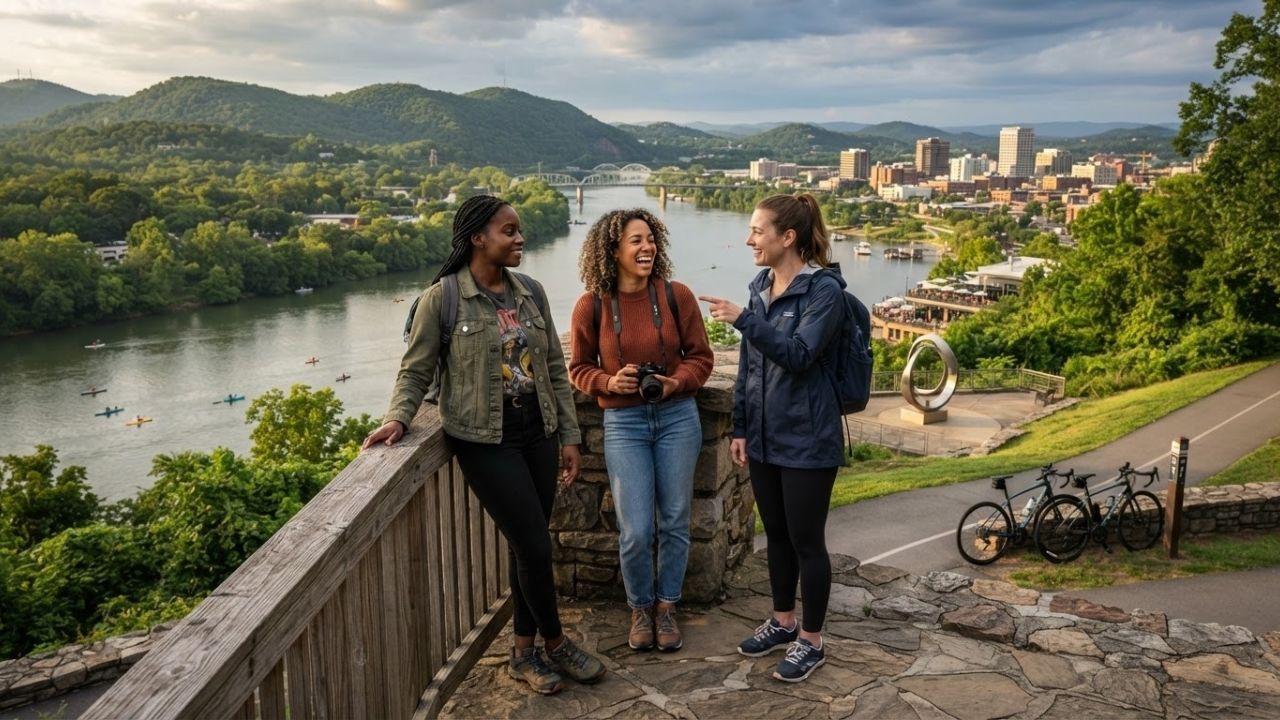
Image generated by AI
Smaller cities across the United States are transforming the travel sector by investing in outdoor recreation, art, culinary tourism, and historic preservation. Chattanooga, Bentonville, Greenville, Fayetteville, and Lexington are emerging as quiet tourism giants, drawing millions of visitors outside traditional metropolitan hubs.
Local Innovation: The Rise of Quiet Tourism Titans
The domestic travel market in the United States is experiencing a notable shift as visitors look beyond traditional mega-destinations like New York, Orlando, or Las Vegas. Modern travelers increasingly seek out meaningful experiences, cultural authenticity, and outdoor recreation away from large crowds. In response to this demand, a group of mid-sized and smaller cities—referred to as "quiet tourism giants"—are investing in their local communities to draw domestic and international travelers.
Rather than relying on famous landmarks or major commercial attractions, these destinations are building their tourism identities around their natural assets, local heritage, and independent businesses. By developing walking trails, public art spaces, cycling networks, and farm-to-table dining, these cities demonstrate that a strong sense of community pride and strategic infrastructure investment can successfully redirect visitor demand.
This decentralization of travel is benefiting local businesses, supporting regional employment, and encouraging sustainable destination management across the country. For the visitor, the real impact is an experience that feels customized and personal, providing a complete contrast to the highly commercialized, crowded attractions of major tourism capitals. It allows travelers to engage directly with local cultures, dining customs, and historical heritage in a more relaxed and authentic setting.
Chattanooga: Turning Outdoor Adventure into a Billion-Dollar Engine
Chattanooga, Tennessee, has transitioned from an industrial city into one of the country's most successful outdoor adventure destinations. By focusing on its location along the Tennessee River and surrounding mountains, the city has built a balanced tourism economy:
- Economic Impact: Visitor spending in Hamilton County reached approximately US$1.81 billion in 2024, with the area welcoming around 11.1 million visitors. The local tourism industry supports more than 30,000 jobs, making it a key source of regional employment.
- Diverse Attractions: The Tennessee River supports kayaking, paddleboarding, and river cruises, while the nearby mountains offer hiking, mountain biking, and rock climbing. Families are drawn to the Tennessee Aquarium, and downtown hotels and convention centers host conferences and sporting events throughout the year.
By developing its riverfront and protecting its natural resources, Chattanooga has demonstrated how outdoor recreation can serve as a primary economic driver. These improvements make the city highly attractive for regional sports tourism, conferences, and family vacations, ensuring steady occupancy for local hotels.
Bentonville and Fayetteville: Art and Mountain Biking in Arkansas
Northwest Arkansas has become a major center for art and outdoor recreation, with Bentonville and Fayetteville leading the region's tourism development:
- Bentonville: While known internationally as the headquarters of Walmart, Bentonville has developed a reputation for art and cycling. The Crystal Bridges Museum of American Art draws visitors from across the country, while the city's investment in hundreds of miles of mountain biking trails has established it as a leading cycling destination. Boutique hotels, local restaurants, and cultural events support this visitor growth.
- Fayetteville: Fayetteville has built its tourism sector around sports, nature, and community festivals. The city hosts cycling events, university activities, and cultural programs, providing a steady flow of visitors that supports local hotels, restaurants, and shops year-round.
This regional focus on outdoor infrastructure supports Arkansas' expanding recreation sector, which contributes billions of dollars to the state's economy.
Greenville and Lexington: Southern Hospitality and Thoroughbred Heritage
In the South, Greenville and Lexington have quietly built reputations as premier weekend destinations, focusing on walkable urban spaces and regional traditions:
- Greenville, South Carolina: Greenville's downtown revitalization is centered on Falls Park on the Reedy, a public park featuring a pedestrian suspension bridge overlooking a waterfall. The walkable downtown supports independent cafes, boutiques, and a growing culinary scene led by local chefs, making the city a popular weekend getaway and convention destination.
- Lexington, Kentucky: Lexington has focused its tourism on its thoroughbred horse racing heritage and bourbon industry. Visitors can tour historic horse farms, experience thoroughbred racing at Keeneland, and explore the region's historic distilleries along the bourbon trail, encouraging longer stays and higher average spending.
These cities show that local heritage and high-quality public spaces are highly effective in attracting modern leisure travelers.
Sustainable Growth: Supporting Local Businesses and Communities
From a sustainable development perspective, the growth of these quiet tourism giants offers a more balanced alternative to concentrated mass tourism. Organizations like the Arkansas Department of Parks, Heritage, and Tourism and the South Carolina Department of Parks, Recreation and Tourism emphasize that tourism development should benefit both visitors and local residents.
By investing in cycling paths, pedestrian bridges, and public parks, these cities create infrastructure that improves the quality of life for residents while remaining highly attractive to tourists. Supporting independent local hotels, farm-to-table restaurants, and community artisans ensures that visitor spending directly supports regional families, keeping tourism revenue within the local economy.
Additionally, travelers can minimize their environmental impact by utilizing city bike-share systems, staying on designated hiking trails, and reducing single-use plastic waste during their travels.
Local Insider Guide: Seasonal Festivals and Comfort Specialties
To help you get the best value from your visit and experience these quiet tourism giants like a local, travel specialists suggest the following tips:
- Optimal Visit Windows: Visit these cities during the spring (April and May) or autumn (September and October). The weather is mild and comfortable for outdoor activities, and you can catch regional cultural festivals, farmers' markets, and foliage displays.
- Respect Cycling and Trail Rules: In cycling hubs like Bentonville and Fayetteville, yield to mountain bikers on designated trails and follow city cycling lane regulations. When hiking in the mountains near Chattanooga, follow Leave No Trace guidelines.
- Sample Regional Culinary Specialties: Enjoy local food at each destination. Try Moon Pies and local craft beer in Chattanooga, sample farm-to-table southern cuisine in Bentonville, try stone-ground grits and Southern barbecue in Greenville, and enjoy a traditional Hot Brown sandwich paired with local bourbon in Lexington.
- Explore Lula Lake Land Trust: When visiting Chattanooga, make a reservation to explore the Lula Lake Land Trust, a protected conservation area offering waterfalls and quiet hiking trails just outside the city.
Tourism Outlook: Re-Mapping the American Journey
The long-term outlook for the domestic tourism sector indicates a continued diversification of travel destinations. As travelers seek out unique, personalized experiences and avoid the high costs and crowds of traditional hotspots, smaller and mid-sized cities will continue to capture a growing share of the market.
By investing in infrastructure, protecting natural assets, and promoting regional heritage, Chattanooga, Bentonville, Greenville, Fayetteville, and Lexington have positioned themselves at the forefront of this transition. This model supports local economies and encourages environmental conservation, proving that thoughtful destination development can redefine tourism success in the United States.
Ultimately, the future of the visitor economy will be shaped by authenticity, accessibility, and community pride, showing that the most memorable journeys are often found in the country's quietest giants.
Related Travel Guides
Pattaya’s Jomtien Beach Begins Coastal Upgrade to Support Thailand Tourism
Goa Monsoon Magic: A Specialist Guide to Sustainable Ecotourism and Waterfalls
Disclaimer
This article is for informational and educational purposes only. It does not constitute legal, financial, or professional advice. While we strive to provide accurate and up-to-date information, travel policies, regulations, and conditions change rapidly. Always verify information with official sources before making travel decisions. Nomad Lawyer makes no representations about the accuracy, reliability, completeness, or suitability of the information provided. Readers should consult qualified professionals for advice specific to their circumstances. The views expressed in this article are those of the author and do not necessarily reflect the views of Nomad Lawyer.
Kunal K Choudhary
Co-Founder & Contributor
A passionate traveller and tech enthusiast. Kunal contributes to the vision and growth of Nomad Lawyer, bringing fresh perspectives and driving the community forward.
Learn more about our team →