
Aircraft Replacement Costs Iran: $7B Bill for 42 Lost US Planes
US military faces $7 billion aircraft replacement costs Iran situation as 42 planes lost in Operation Epic Fury. Defense budget strain reaches critical levels in 2026.

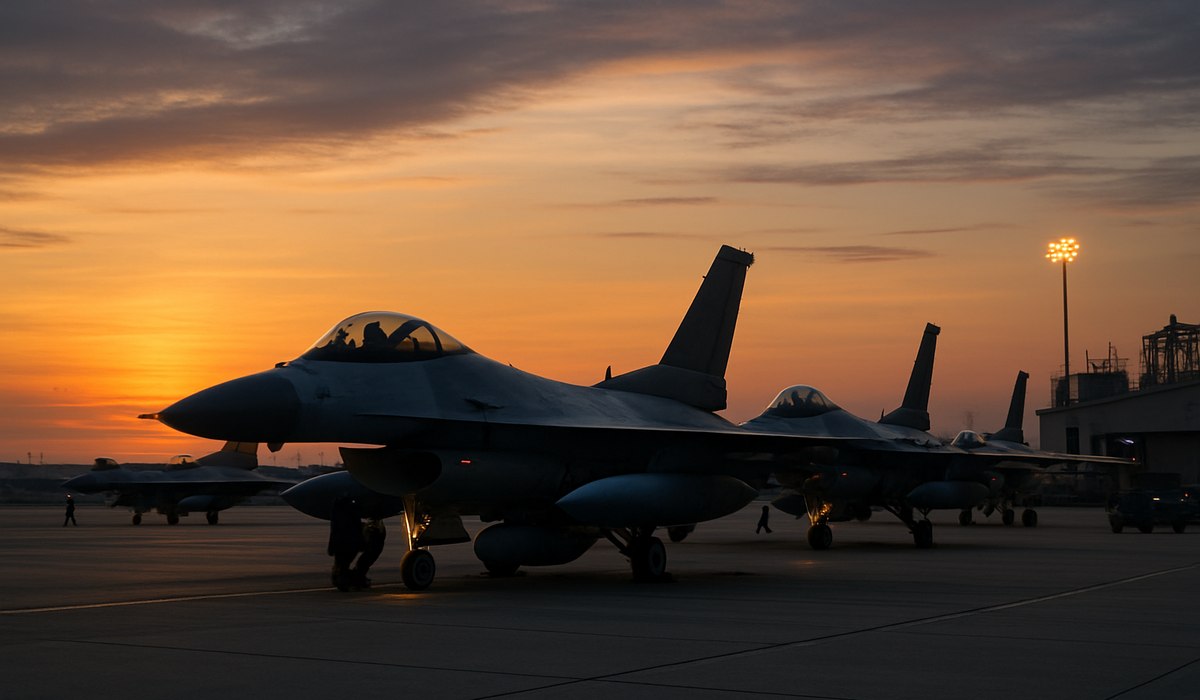
Image generated by AI
Pentagon Faces $7 Billion Aircraft Replacement Bill Following Iran Campaign
The United States Department of Defense confronts an unprecedented fiscal challenge as military operations in the Middle East have resulted in the loss or decommissioning of 42 aircraft, with estimated aircraft replacement costs Iran situation totaling $7 billion. Operation Epic Fury, the combined air, drone, and missile campaign executed in coordination with Israeli forces, has created substantial strain on defense budgeting and industrial capacity. Beyond the immediate replacement expenses, cumulative expeditionary spending has reached $29 billion, fundamentally reshaping defense allocation priorities for fiscal year 2026 and beyond.
The scale of aircraft replacement costs Iran operations represents one of the most significant defense procurement challenges since the Cold War. Military analysts emphasize that aircraft replacement costs Iran scenario extends far beyond simple accounting—it reflects systemic vulnerabilities in sustaining prolonged regional military commitments while maintaining strategic deterrent capabilities elsewhere globally.
The Scale of Aircraft Losses During Operation Epic Fury
Operation Epic Fury unfolded as an intensive, multi-domain military campaign involving coordinated strikes from air-based platforms, unmanned systems, and advanced missile infrastructure. The 42-aircraft loss figure encompasses both direct combat losses and aircraft rendered permanently unserviceable due to operational damage. These losses represent rotorcraft, tactical fighters, strategic bombers, and support aircraft distributed across multiple military branches.
The aircraft replacement costs Iran challenge becomes clearer when examining deployment patterns. Expeditionary forces maintained high operational tempo requirements, necessitating sustained flight operations across dangerous threat environments. Integrated air defense systems forced tactical modifications that increased airframe stress and accelerated degradation cycles. Unlike conventional warfare scenarios with defined conflict termination, Operation Epic Fury's protracted nature continuously depleted aircraft inventories.
Military procurement specialists note that aircraft replacement costs Iran extend beyond simple unit acquisition. Each airframe represents years of maintenance history, pilot training integration, and squadron cohesion. Rapid replacement disrupts force readiness calculations and creates cascading logistical challenges throughout the defense industrial base.
For current information on military operational developments, consult official US Department of Defense statements.
Breakdown of Replacement Costs by Aircraft Type and Operational Requirements
Aircraft replacement costs Iran calculations require categorizing losses by platform type, each carrying distinct expense profiles. Fighter aircraft losses constitute the highest unit cost impact, with advanced tactical platforms exceeding $100 million per airframe. Transport and logistics aircraft, while fewer in number, represent specialized capabilities with extended replacement timelines.
Rotorcraft losses, including attack and transport variants, accounted for approximately 18 of the 42 total airframes. These platforms demonstrate lower individual costs compared to fixed-wing fighters but collectively represent substantial capital expenditure. Specialized electronic warfare variants and intelligence, surveillance, and reconnaissance (ISR) platforms demonstrated particularly high replacement costs due to sophisticated sensor packages and limited production capacity.
The aircraft replacement costs Iran situation includes not only direct acquisition expenses but also certification, integration testing, and operational readiness processing. Modern military aircraft require extended runway periods before achieving full combat capability. Congressional defense committees have identified aircraft replacement costs Iran as a primary driver of supplemental appropriations requests exceeding standard annual defense budgets.
Strategic bombers and long-range strike aircraft represented fewer losses but commanded premium replacement costs. These platforms integrate classified avionics, stealth technologies, and advanced weapons systems not available through rapid procurement channels. Aircraft replacement costs Iran in this category demonstrate how specialized capability losses generate disproportionate financial impacts.
Impact on US Defense Industrial Capacity and Production Timelines
Aircraft replacement costs Iran operations stress manufacturing capabilities constrained by semiconductor availability, skilled workforce limitations, and existing production backlogs. Major defense contractors operating production facilities face competing demands from allied nations and domestic force structure requirements. Aircraft replacement costs Iran scenario compels prioritization decisions affecting delivery schedules across multiple customer bases.
Production bottlenecks emerge particularly in airframe fabrication and final assembly operations. Composite material supply chains, critical for modern aircraft construction, operate near maximum capacity. Aircraft replacement costs Iran requirements push suppliers toward premium overtime operations and expedited delivery agreements, further escalating per-unit expenses.
Workforce challenges compound industrial capacity constraints. Skilled aircraft mechanics, avionics technicians, and systems engineers command premium compensation in competitive labor markets. Aircraft replacement costs Iran procurement accelerates demand for specialized talent, creating recruitment pressures throughout the defense industrial base.
Supply chain resilience emerges as secondary concern regarding aircraft replacement costs Iran. Concentrated production of critical components creates vulnerability if disruptions occur. Recent geopolitical tensions have prompted defense policymakers to evaluate redundant manufacturing capacity investments, adding long-term financial implications beyond immediate replacement costs.
Visit FlightAware for real-time aircraft tracking and operational visibility during military activities affecting civilian airspace.
Broader Financial Implications of Operation Epic Fury on Defense Spending
The $7 billion aircraft replacement costs Iran figure compounds existing defense budget pressures created by geopolitical competition, personnel cost inflation, and maintenance of aging weapons systems. Military strategists debate whether current defense spending allocations adequately address simultaneous regional contingencies and peer competitor capabilities. Aircraft replacement costs Iran represent tangible manifestation of these strategic resource allocation dilemmas.
Congressional defense committees must reconcile aircraft replacement costs Iran requirements against competing priorities including nuclear modernization, cyber capabilities, and space operations. Budget authority limitations force difficult trade-off decisions between force structure readiness and technological modernization. Aircraft replacement costs Iran become litmus test for defense spending adequacy under contemporary threat environments.
International alliance relationships demonstrate secondary financial impacts from aircraft replacement costs Iran. Allied nations requesting American military support must compete with internal replacement requirements. Defense cooperation agreements face renegotiation as aircraft replacement costs Iran drain resources previously allocated toward coalition operations and capability sharing.
Economic projections indicate aircraft replacement costs Iran will consume procurement funding through fiscal year 2028, delaying modernization initiatives and extending service lives of legacy platforms. Defense contractors anticipate substantial revenue expansion from aircraft replacement contracts, yet delivery timelines remain constrained by industrial capacity limitations.
Key Data: Aircraft Replacement Costs Iran Breakdown and Operational Impact
| Metric | Value | Impact Category |
|---|---|---|
| Total Aircraft Lost | 42 | Operational Losses |
| Replacement Cost | $7 billion | Direct Expense |
| Expeditionary Spending | $29 billion | Campaign Total |
| Average Per-Airframe Cost | $166.7 million | Unit Economics |
| Fighter Aircraft Losses | ~15 | Premium Cost Platform |
| Rotorcraft Losses | ~18 | Mid-Range Cost |
| Production Timeline Extension | 24-36 months | Industrial Impact |
| Defense Budget Percentage | 0.8-1.2% | Fiscal Year Allocation |
What This Means for Travelers: Operational Impacts on Civil Aviation
Military aircraft operations affecting civilian airspace warrant traveler attention despite indirect nature of impact. Aircraft replacement costs Iran situation influences military-to-civilian airspace coordination, potentially affecting flight routing and arrival times.
Traveler Action Checklist:
- Monitor FAA alerts for military exercise notifications affecting commercial flight corridors
- Book flights with schedule flexibility when military operations occur in geographic proximity
- Track aircraft replacement costs Iran developments through defense news sources understanding operational patterns
- Verify routing alternatives with airline representatives before Middle East region bookings
- Document flight disruptions and delays for US Department of Transportation consumer protection claims
- Maintain travel insurance coverage addressing military operation exclusions
- Review airline force majeure policies regarding military-related operational disruptions
- Check FlightAware real-time tracking showing actual flight paths versus planned routes
Military procurement timelines rarely impact civilian flight operations directly. However, aircraft replacement costs Iran situation demonstrates defense industry prioritization changes that occasionally influence military-civilian airspace sharing agreements. Travelers planning Middle East region flights should maintain situational awareness regarding military activity levels.
Frequently Asked Questions About Aircraft Replacement Costs Iran
**How do aircraft replacement
Disclaimer
This article is for informational and educational purposes only. It does not constitute legal, financial, or professional advice. While we strive to provide accurate and up-to-date information, travel policies, regulations, and conditions change rapidly. Always verify information with official sources before making travel decisions. Nomad Lawyer makes no representations about the accuracy, reliability, completeness, or suitability of the information provided. Readers should consult qualified professionals for advice specific to their circumstances. The views expressed in this article are those of the author and do not necessarily reflect the views of Nomad Lawyer.
Raushan Kumar
Founder & Lead Developer
Full-stack developer with 11+ years of experience and a passionate traveller. Raushan built Nomad Lawyer from the ground up with a vision to create the best travel and law experience on the web.
Learn more about our team →