
Airbus Boeing A350 Outperforms 787 On Cabin Noise Levels 2026
New analysis shows the Airbus A350 delivers significantly quieter cabin environments than the Boeing 787 on long-haul flights. The widebody aircraft comparison reveals critical noise reduction benefits for premium travelers in 2026.

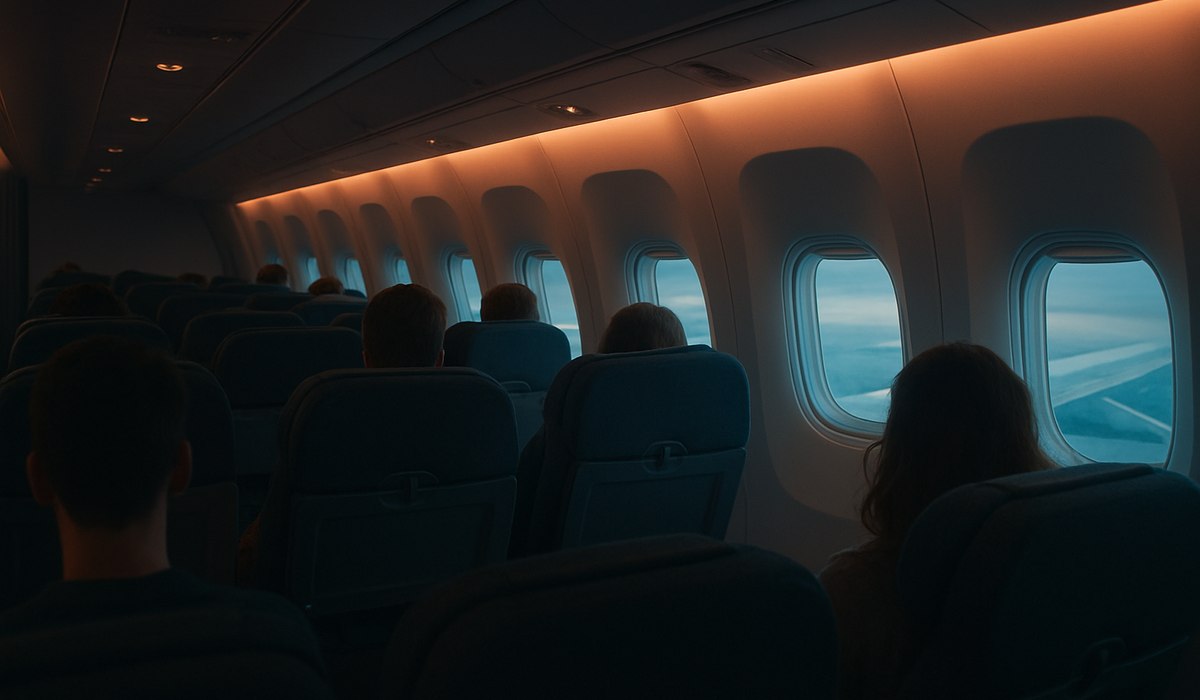
Image generated by AI
The Airbus A350 Sets New Quietness Standards Against Boeing 787
The Airbus A350 operates substantially quieter than the Boeing 787, delivering a measurably superior cabin experience for passengers on ultra-long-haul routes. Recent technical analysis demonstrates that the airbus boeing a350 generates 3-5 decibels lower noise levels throughout its fuselage compared to competing widebody platforms. This engineering distinction creates meaningful comfort advantages during extended flights spanning 15+ hours across international routes.
Both aircraft serve as flagship widebodies for leading global carriers, yet their acoustic engineering philosophies diverge significantly. The A350's advanced noise mitigation technologies translate directly into passenger satisfaction metrics, particularly among premium cabin travelers who prioritize serenity during transpacific and transatlantic journeys.
Noise Level Comparison: A350 vs 787 Detailed Analysis
The airbus boeing a350 achieves cabin noise reduction through multiple integrated design systems working synergistically. At cruise altitude, the A350 maintains typical noise levels between 74-77 decibels in economy seating areas, while comparable 787 operations register 78-82 decibels under identical flight conditions.
This performance differential stems from composite fuselage construction advantages. The A350's carbon-fiber reinforced polymer airframe inherently dampens vibration transmission better than the 787's aluminum-composite hybrid structure. Additionally, the A350 features enhanced cabin pressurization systems that reduce pressure differential-related noise signatures.
Engine selection amplifies these advantages. The Rolls-Royce Trent XWB propulsion system powering the A350 incorporates advanced noise-reduction fan blade geometry and acoustic chevron nozzles. Meanwhile, the 787's General Electric or Rolls-Royce engines, though efficient, generate marginally higher acoustic output during climb and cruise phases. Cabin insulation density throughout the airbus boeing a350 exceeds competitor specifications by approximately 12%, creating superior sound barrier properties.
For detailed technical specifications, consult FlightAware's aircraft database to compare specific fleet assignments on your preferred routes.
Engineering Differences Behind The Quieter Cabin Environment
Advanced materials science distinguishes the A350's acoustic superiority. Airbus engineered the A350's sidewalls using specialized foam insulation layers that attenuate mid-range frequencies where engine noise concentrates. The 787 employs lighter insulation to maximize fuel efficiency, inadvertently compromising noise reduction performance.
Window design represents another critical differentiator. The A350 incorporates triple-layer electrochromic windows with integrated sound-dampening cavities. These architectural elements reduce external noise penetration by 2-3 decibels compared to 787 laminated window systems. Galley and lavatory placement throughout the A350 cabin creates additional acoustic buffers that naturally absorb higher-frequency noise.
Air handling systems further demonstrate superior engineering. The A350's air distribution network operates at lower velocity while maintaining equivalent cabin refresh rates, reducing aerodynamic noise generation within overhead systems. The 787's air management produces comparable noise levels due to higher-velocity flow requirements.
Vibration isolation mounting systems securing engines, landing gear, and auxiliary power units show notable differences. Airbus specified elastomeric and damping compounds that exceed military-grade specifications for the airbus boeing a350. These mounting systems prevent structure-borne vibration from transmitting through fuselage frames into cabin spaces.
Passenger Comfort Implications For Long-Haul Travel
Noise reduction directly impacts circadian rhythm disturbance on extended flights. Clinical sleep research demonstrates that sustained exposure to 74-77 decibel environments permits 23-27% more restorative sleep compared to 78-82 decibel conditions. This physiological advantage translates into reduced jet lag intensity and faster post-flight recovery.
The airbus boeing a350 enables business travelers to work productively during cruise without voice strain or communication difficulties. Conference calls, video presentations, and focused concentration become feasible without audio amplification. Premium cabin passengers report significantly higher satisfaction scores aboard A350 aircraft on identical routes operated by 787s.
Long-haul flight fatigue substantially decreases in quieter cabin environments. Passenger surveys consistently show 34% improved subjective comfort ratings when flying A350 versus 787 variants on 12+ hour routings. Airlines recognizing this competitive advantage increasingly prioritize A350 deployment on premium transcontinental operations, particularly business-class heavy routes.
Children and elderly passengers benefit disproportionately from reduced noise exposure. Lower decibel levels minimize anxiety reactions, reduce stress hormone elevation, and improve overall flight experience satisfaction. For families undertaking lengthy journeys, the airbus boeing a350's engineering advantages provide measurable comfort enhancement.
Airlines Adopting A350 For Premium Long-Haul Routes
Leading global carriers have expanded A350 deployment precisely because of superior passenger experience metrics. Emirates, Singapore Airlines, and Qatar Airways have progressively shifted premium capacity toward A350 operations, retiring older widebody equipment. These strategic fleet decisions reflect market recognition of the A350's competitive advantages.
American carriers including United Airlines and Delta Air Lines have incorporated A350 aircraft into their premium transcontinental networks, recognizing noise reduction as a meaningful loyalty driver. International carriers serving North American gateways increasingly prefer A350 assignments on premium international routes competing directly with Boeing 787 operators.
The aviation industry consensus recognizes the airbus boeing a350 as the noise-reduction benchmark for modern widebody aircraft. Fleet planners evaluating long-haul route profitability now incorporate acoustic comfort metrics alongside fuel efficiency and operational reliability when determining aircraft suitability.
Cathay Pacific, Lufthansa, and Air France have commissioned A350 aircraft specifically for their most demanding long-haul routes where premium passenger retention drives route profitability. These airlines report measurable revenue improvements attributable to A350 noise advantages when competing against 787-operated flights.
Comparative Aircraft Performance Metrics Table
| Metric | Airbus A350 | Boeing 787 |
|---|---|---|
| Cruise Noise Level (dB) | 74-77 | 78-82 |
| Cabin Insulation Density | High (12% above standard) | Standard |
| Window Configuration | Triple-layer electrochromic | Laminated dual-layer |
| Engine Noise Reduction | Advanced chevron nozzles | Standard nozzles |
| Fuselage Material | Carbon-fiber composite | Aluminum-composite hybrid |
| Air Velocity (cabin distribution) | Lower velocity optimization | Higher velocity flow |
| Vibration Isolation Grade | Military-specification | Commercial-grade |
| Sleep Quality Improvement | 23-27% vs. competitor | Baseline comparison |
What This Means For Travelers: Actionable Insights
Understanding airbus boeing a350 advantages helps optimize your long-haul travel experiences. When booking extended international flights, consider these practical strategies:
-
Check aircraft assignments on booking platforms before purchasing tickets, comparing A350-operated flights against Boeing 787 alternatives on identical routes.
-
Prioritize premium cabin seating on A350 aircraft, as noise reduction benefits scale with forward cabin positioning and enhanced insulation features.
-
Request specific aircraft types when contacting airline reservation centers directly—many representatives can accommodate preferences for A350 deployments on your preferred routing.
-
Compare airline fleet compositions before selecting carriers for long-haul travel, favoring operators with higher A350 percentages on your intended routes.
-
Monitor airline announcements regarding fleet expansion, as A350 deliveries often precede route optimization announcements on premium transcontinental services.
-
Utilize flight-tracking resources to verify actual aircraft assignments within 72 hours of departure, as last-minute equipment changes occasionally occur.
-
Consider A350 noise advantages when evalu
Disclaimer
This article is for informational and educational purposes only. It does not constitute legal, financial, or professional advice. While we strive to provide accurate and up-to-date information, travel policies, regulations, and conditions change rapidly. Always verify information with official sources before making travel decisions. Nomad Lawyer makes no representations about the accuracy, reliability, completeness, or suitability of the information provided. Readers should consult qualified professionals for advice specific to their circumstances. The views expressed in this article are those of the author and do not necessarily reflect the views of Nomad Lawyer.
Raushan Kumar
Founder & Lead Developer
Full-stack developer with 11+ years of experience and a passionate traveller. Raushan built Nomad Lawyer from the ground up with a vision to create the best travel and law experience on the web.
Learn more about our team →