
Delta Lines Passenger Faces Federal Charges After Opening Emergency Exit During Atlanta Weather Delay
A Delta Air Lines passenger opened an emergency exit door on a grounded Boeing 737-900ER at Atlanta Hartsfield-Jackson International Airport during severe thunderstorms on Monday, triggering immediate federal charges and raising questions about passenger conduct during flight delays in 2026.

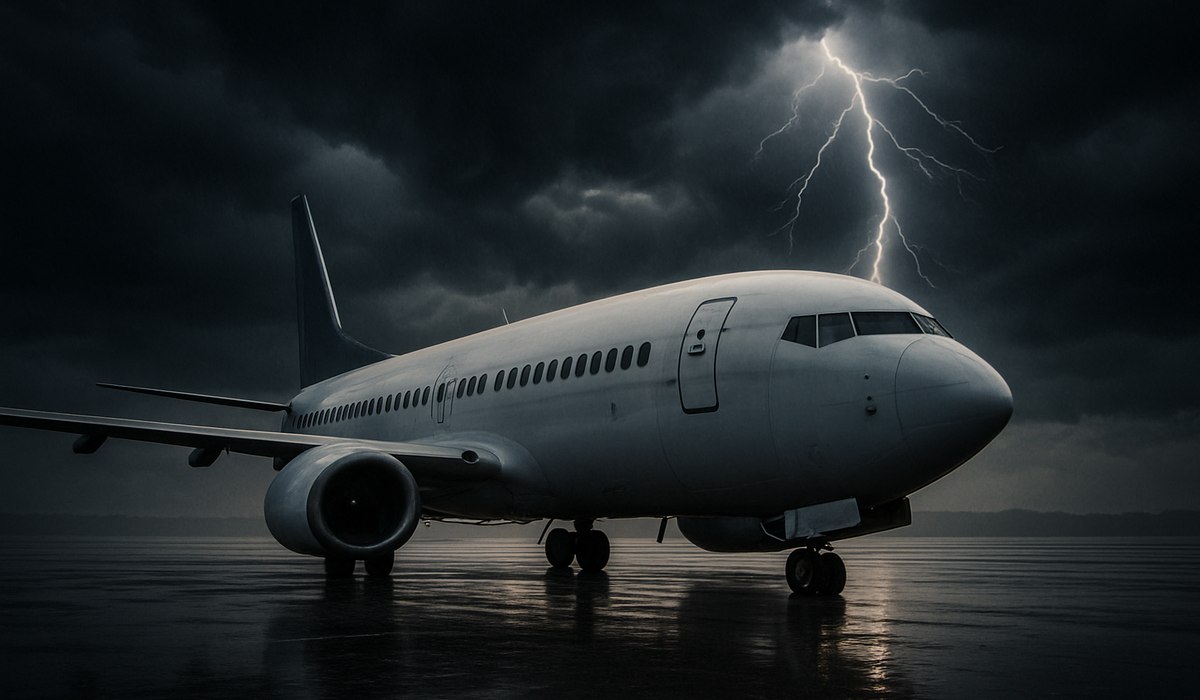
Image generated by AI
Delta Air Lines Passenger Charged After Opening Emergency Exit During Tarmac Delay
Delta Air Lines faced an extraordinary safety incident when a passenger opened an emergency exit door aboard a Boeing 737-900ER grounded at Atlanta Hartsfield-Jackson International Airport on Monday afternoon. The incident occurred as the aircraft sat immobilized on the tarmac during severe thunderstorms that delayed the Chicago-bound flight. The passenger, identified as Thomas Ryan, has been charged with federal violations stemming from the dangerous action. This unprecedented event highlights escalating tensions between passengers and airlines during extended weather-related delays affecting hundreds of travelers.
What Happened During the Delta Flight Delay
Severe electrical storms swept across Atlanta on Monday, forcing Delta Air Lines to ground multiple flights on the tarmac as a precautionary measure. Flight conditions deteriorated rapidly, with lightning strikes reported within proximity of the airport grounds. The Chicago-bound 737-900ER carried approximately 180 passengers confined to their seats during the weather event.
After approximately two hours on the runway without communication updates, passenger Thomas Ryan allegedly became increasingly frustrated. According to ABC7 Chicago reports and eyewitness accounts, Ryan proceeded to locate and open an emergency exit door while the aircraft remained stationary. The sudden depressurization alarm triggered immediate crew response. Flight attendants and ground personnel quickly contained the situation, though the open door created a significant safety hazard.
The incident forced emergency protocols into effect. Ground crews immediately secured the aircraft while medical personnel assessed all passengers for injuries. Several travelers experienced panic and anxiety following the unexpected opening. Delta Air Lines personnel arrested Ryan pending federal investigation, ending his journey before takeoff.
Emergency Exit Protocol and Federal Laws
Federal Aviation Administration regulations strictly govern emergency exit operation. The FAA mandates that emergency doors remain locked and inaccessible during ground operations except for authorized personnel. Passengers opening emergency exits face severe criminal penalties under federal law.
The Federal Aviation Administration considers unauthorized emergency door operation a potential act of terrorism under certain circumstances. Violators can face charges ranging from $15,000 to $27,500 in civil penalties plus criminal prosecution. Prison sentences frequently exceed one year for such violations. The FAA enforces these regulations with absolute severity, recognizing that unauthorized door opening endangers everyone aboard.
Airlines train crews extensively on emergency procedures. Flight attendants receive certification requiring biennial recurrent training. Ground personnel monitor cabin pressure and door security systems continuously. Modern aircraft feature multiple mechanical and electrical safeguards preventing accidental or intentional unauthorized door opening. However, determined passengers with knowledge of systems can sometimes circumvent protections.
Visit the FAA website for complete emergency exit regulations and passenger conduct standards applicable to all domestic and international flights.
Potential Legal Consequences for the Passenger
Thomas Ryan faces multiple federal charges stemming from his emergency exit action. Federal prosecutors typically pursue these cases aggressively, particularly when endangering passenger safety and aircraft integrity. Potential charges include violating 49 U.S.C. § 46504, which specifically addresses interference with flight crews and aircraft operations.
Criminal penalties may include imprisonment ranging from 12 months to 20 years, contingent on specific charges filed. Civil penalties from the FAA typically accompany criminal proceedings. Airlines may pursue additional civil lawsuits against passengers for damage, costs, and operational disruption caused by their actions.
This Delta lines passenger incident will likely result in a substantial conviction carrying federal incarceration. Judges rarely show leniency in emergency exit cases, recognizing the extraordinary danger posed to all aboard. Federal courtrooms maintain jurisdiction over all such violations, removing matters from state courts. International treaty obligations amplify penalties when aircraft cross state or national boundaries during incidents.
Airlines' Response to In-Flight Disruptions
Delta Air Lines has implemented enhanced ground protocols following this incident. Airlines increasingly deploy behavioral health specialists and conflict de-escalation experts during extended tarmac delays. Modern procedures include mandatory captain communications updates every 15 minutes during ground delays.
Industry standards now require ground crew presence outside tethered aircraft during severe weather events. Passengers receive notification immediately when delays exceed 30 minutes on the tarmac. Airlines provide complimentary beverages, snacks, and entertainment during extended ground delays. Aircraft must return to gates or accept alternate arrangements when delays exceed two hours under Department of Transportation regulations.
Delta Air Lines invested $250 million in ground infrastructure improvements across major hubs including Atlanta. Enhanced communication systems enable real-time passenger updates regarding weather conditions and expected departure times. Mental health resources remain available to passengers requiring support following traumatic incidents.
The U.S. Department of Transportation enforces passenger rights regulations during ground delays exceeding specific timeframes. Carriers failing to comply face substantial fines and reputational damage affecting future bookings.
Real-Time Flight Monitoring and Passenger Rights
Travelers concerned about weather delays can monitor flight status using FlightAware, which provides real-time aircraft tracking and delay information. The platform enables passengers to understand ground situations and anticipated departure windows.
Passengers confined to grounded aircraft retain specific rights under federal guidelines. Extended tarmac confinement exceeding three hours (two hours for international flights) without passenger disembarkation constitutes violations under DOT regulations. Airlines must compensate passengers through meal vouchers, hotel accommodations, or rebooking on alternative carriers.
This Delta lines passenger incident demonstrates why ground delays warrant proper management and transparent communication. Frustrated travelers require accurate information regarding delays, duration expectations, and available resources. Airlines managing passenger expectations effectively experience substantially reduced behavioral incidents during weather disruptions.
Traveler Action Checklist
Following incidents of passenger misconduct on grounded aircraft, nomadic professionals and regular travelers should implement these protective measures:
- Document delay duration by recording departure and immobilization times; photograph departure boards showing official delays.
- Request airline compensation immediately upon exceeding two-hour ground delays; request written confirmation of offered compensation.
- Maintain civil communication with flight crew; escalate concerns through proper channels rather than direct confrontation.
- Know your rights under 14 CFR Part 259 regarding passenger conduct standards and carrier responsibilities during delays.
- Photograph meal vouchers and hotel accommodations offered during delays; request itemized receipts for potential compensation claims.
- Request captain communication regarding delay status and expected departure times; demand transparency about weather conditions affecting operations.
- Identify alternative flights immediately upon recognizing substantial delays; request rebooking on competitor carriers at Delta's expense when authorized.
- Contact DOT within 60 days if compensation rights were violated; file formal complaints through online portal with documentation.
Key Incident Data Table
| Metric | Details |
|---|---|
| Airline Operator | Delta Air Lines Inc. |
| Aircraft Type | Boeing 737-900ER |
| Incident Location | Atlanta Hartsfield-Jackson International Airport, Georgia |
| Departure Airport | Atlanta (ATL) |
| Destination Airport | Chicago O'Hare International (ORD) |
| Passengers Aboard | Approximately 180 confirmed |
| Weather Event | Severe electrical thunderstorms with lightning strikes |
| Tarmac Duration | 120 minutes before incident occurred |
| Passenger Name | Thomas Ryan (per ABC7 Chicago reporting) |
| Aircraft Component | Emergency exit door (unauthorized opening) |
| Injuries Reported | None serious; panic and anxiety cases noted |
| Federal Charges | 49 U.S.C. § 46504 violations; additional counts pending investigation |
| **Potential |
Disclaimer
This article is for informational and educational purposes only. It does not constitute legal, financial, or professional advice. While we strive to provide accurate and up-to-date information, travel policies, regulations, and conditions change rapidly. Always verify information with official sources before making travel decisions. Nomad Lawyer makes no representations about the accuracy, reliability, completeness, or suitability of the information provided. Readers should consult qualified professionals for advice specific to their circumstances. The views expressed in this article are those of the author and do not necessarily reflect the views of Nomad Lawyer.
Preeti Gunjan
Contributor & Community Manager
A passionate traveller and community builder. Preeti helps grow the Nomad Lawyer community, fostering engagement and bringing the reader experience to life.
Learn more about our team →