
Travel Tanzania Launches Twiga Miles: 1,000 Bonus Points for Safari Flyers
Air Tanzania's new Twiga Miles loyalty program debuts March 2026 with 1,000 welcome points and exclusive perks for Selous and Serengeti safari routes.

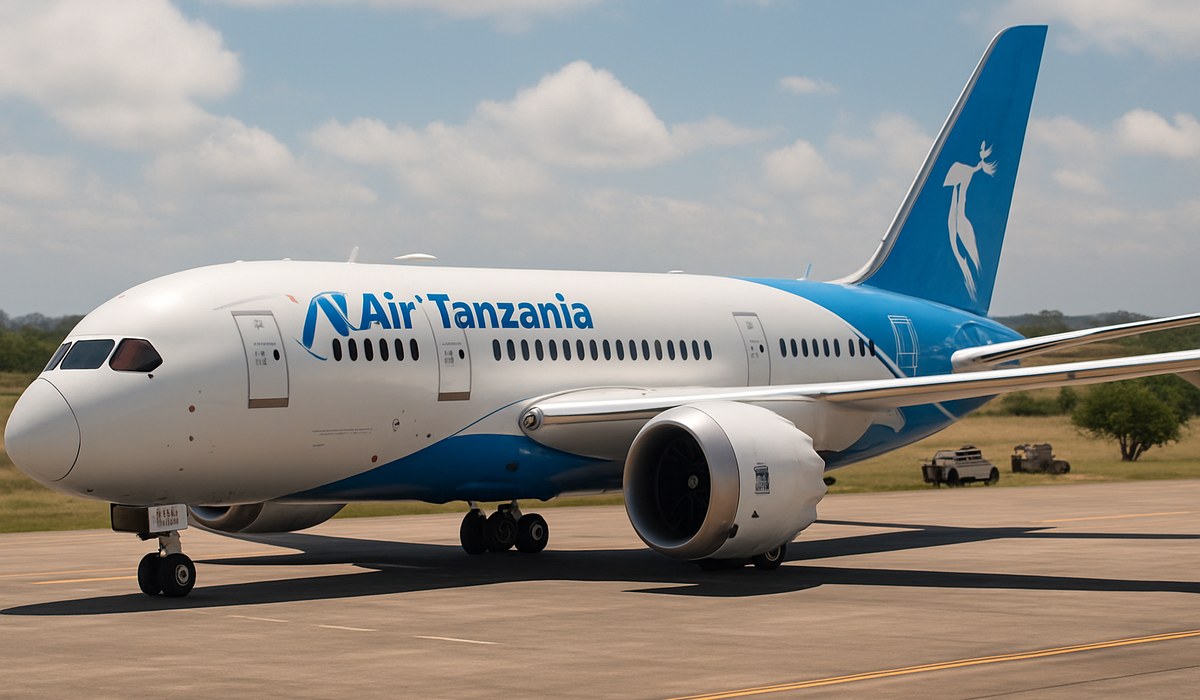
Image generated by AI
**> Quick Summary
• Air Tanzania debuts Twiga Miles loyalty program targeting safari travelers with instant 1,000-point welcome bonus • Program focuses on Selous and Serengeti routes, two of East Africa's most lucrative wildlife tourism corridors • Launch positions Tanzania's national carrier against Gulf-based airlines competing for safari tourism revenue • Exclusive services include priority boarding, lounge access, and expedited baggage handling at safari gateway airports**
While global airlines battle over business class upgrades, Air Tanzania just made wildlife safari routes the new frontier of loyalty program competition—and they're giving away 1,000 points just for signing up. The national carrier unveiled its Twiga Miles program on March 28, 2026, marking East Africa's latest attempt to capture a growing share of safari-bound travelers who currently funnel through Middle Eastern hubs. The initiative arrives as Tanzania recorded 1.8 million international visitors in 2025, with wildlife tourism accounting for 42% of the nation's foreign exchange earnings, according to the Tanzania Tourist Board.
The program specifically targets passengers flying to Selous Game Reserve and Serengeti National Park, two destinations that generated $682 million in combined tourism revenue last year. Named after the Swahili word for giraffe, Twiga Miles represents the carrier's first comprehensive attempt to build passenger retention in a market where European and Gulf carriers have traditionally dominated long-haul safari connections.
What Twiga Miles Offers: Breaking Down the 1,000-Point Welcome Bonus
Air Tanzania's new loyalty framework delivers immediate value through its sign-up incentive. Every new member receives one thousand points upon registration, equivalent to a one-way domestic flight between Dar es Salaam and Arusha. The instant points distribution bypasses the traditional earn-before-redeem model that frustrates infrequent travelers.
The program structure includes four membership tiers: Twiga Blue (entry level), Twiga Silver (10,000 points annually), Twiga Gold (25,000 points), and Twiga Platinum (50,000 points). Members earn five points per dollar spent on international routes and three points on domestic sectors. Bonus multipliers apply to Selous and Serengeti flights, where passengers collect double points during Tanzania's peak safari season from June through October.
Priority services distinguish upper-tier members. Gold cardholders gain access to the renovated Julius Nyerere International Airport lounge, which opened in January 2026 with capacity for 180 guests. Platinum members receive complimentary seat selection, extra baggage allowances of 23 kilograms, and guaranteed seating even during high-demand periods when safari lodges operate at maximum capacity.
Partner integrations extend beyond air travel. The program includes tie-ins with Serena Hotels, Four Seasons Safari Lodge, and six smaller safari operators. Members booking through program partners earn points on accommodation, ground transportation, and guided game drives. This ecosystem approach mirrors strategies employed by travel industry analysts{:target="_blank" rel="noopener noreferrer"} tracking loyalty trends across emerging markets, where bundled experiential rewards outperform traditional mileage accrual.
Why Selous and Serengeti Routes Matter for Air Tanzania's Strategy
The focus on these two destinations reflects calculated economics. Selous Game Reserve spans 50,000 square kilometers, making it Africa's largest protected wildlife area and a UNESCO World Heritage site. The park welcomed 38,000 visitors in 2025, with average visitor spending reaching $3,200 per trip. Serengeti National Park attracts 350,000 annual visitors who spend an average of $4,100, driven by the wildebeest migration spectacle that peaks between July and September.
Air Tanzania operates twelve weekly flights to both regions, using Bombardier Q400 turboprops for the Selous route and Boeing 787 Dreamliners for Serengeti connections via Kilimanjaro International Airport. Load factors on these routes averaged 78% in 2025, significantly above the carrier's system-wide 64% average. The airline transported 147,000 passengers to safari destinations last year, representing 31% of its total passenger volume.
Competition for this traffic intensifies annually. Emirates, Qatar Airways, and Ethiopian Airlines collectively control 58% of long-haul safari traffic into Tanzania, according to Civil Aviation Authority data. These carriers offer seamless connections through Dubai, Doha, and Addis Ababa to European and North American source markets. Turkish Airlines entered the market in October 2025 with five weekly Istanbul-Dar es Salaam flights, explicitly targeting safari tourism.
Twiga Miles directly addresses this competitive imbalance by redefining trip value beyond simple price points. The program emphasizes experiential benefits—guaranteed window seats for wildlife viewing, flexible rebooking during weather delays common in safari regions, and partnerships with conservation organizations that donate one dollar per 1,000 points redeemed to anti-poaching efforts.
How East African Carriers Are Competing for Safari Tourism Dollars
Regional aviation dynamics are shifting as carriers recognize safari tourism's profitability. Kenya Airways relaunched its Asante Rewards program in November 2025 with enhanced Maasai Mara route benefits. RwandAir introduced gorilla trekking packages bundled with frequent flyer points in December. Uganda Airlines announced plans for a similar initiative targeting Bwindi Impenetrable Forest visitors.
This regional competition unfolds against broader global tourism recovery patterns{:target="_blank" rel="noopener noreferrer"} where wildlife destinations outpace urban tourism growth. International arrivals to East African safari destinations increased 23% year-over-year in 2025, compared to 11% global growth. The segment attracts high-value travelers with average trip expenditures triple those of beach resort visitors.
Air Tanzania's timing capitalizes on infrastructure improvements. The carrier took delivery of two additional Boeing 787-8 aircraft in February 2026, expanding its wide-body fleet to six units. Kilimanjaro International Airport completed a $45 million terminal expansion in December 2025, increasing annual capacity from 1.2 million to 1.9 million passengers. Dar es Salaam's Julius Nyerere International Airport began a $150 million renovation in January that will add fourteen gates by March 2027.
However, program sustainability faces challenges familiar to regional carriers. Fuel costs represent 38% of Air Tanzania's operating expenses, and volatility in jet fuel markets directly impacts reward program economics, as evidenced by recent airline operational challenges affecting loyalty programs. The carrier operates a mixed fleet of ten aircraft types, creating maintenance complexity that constrains schedule reliability—a critical factor when passengers book high-value safari itineraries months in advance.
What This Means for Travelers Planning Tanzania Safaris in 2026
Safari travelers gain tangible advantages from the new program. A typical ten-day Tanzania safari costs $6,800 per person, including flights, lodging, and park fees. Under Twiga Miles, a couple spending this amount would earn approximately 68,000 points—enough for two round-trip domestic flights valued at $340 or lounge access for future trips.
The instant one thousand point bonus reduces the threshold for first redemption. Travelers often abandon loyalty programs after initial sign-up when rewards feel distant. Air Tanzania's immediate gratification approach converts sign-ups into active users. Members can redeem the welcome bonus for airport lounge day passes, priority check-in on domestic routes, or discounts with program partners.
Redemption flexibility matters for safari itineraries that frequently require route changes. Weather events, seasonal road conditions, and wildlife movement patterns make rigid travel plans impractical. Twiga Miles allows point redemptions without blackout dates on safari routes, though premium cabin awards require booking fourteen days in advance during peak season.
Partnership benefits extend ground experiences. Members booking safari lodges through program partners earn five points per dollar on accommodation and three points on guided activities. A typical five-night Serengeti lodge stay costing $2,400 generates twelve thousand points—equivalent to a free one-way flight between Dar es Salaam and Zanzibar valued at $180.
The program faces adoption challenges among international travelers accustomed to Star Alliance, Oneworld, or SkyTeam networks. Air Tanzania operates independently without global alliance membership, limiting reciprocal benefits. North American and European travelers connecting through partner airlines cannot credit Air Tanzania segments to home-country programs, fragmenting point accumulation across multiple systems.
Currency fluctuations add complexity. Points earn based on dollar spend, but many safari components price in Tanzanian shillings. The shilling depreciated 7% against the dollar in 2025, creating uncertainty about real redemption value. Air Tanzania publishes quarterly point valuations to address this, but travelers accustomed to stable redemption charts may find the variable system confusing.
Despite these limitations, the program fills a genuine gap. Safari travelers have long complained about limited loyalty options when booking East African wildlife trips. Gulf carriers dominate long-haul connections but offer minimal ground benefits within Tanzania. Twiga Miles provides the first integrated loyalty framework spanning flights, accommodations, and safari experiences under a single program.
FAQ
How quickly can I earn enough Twiga Miles points for a free flight? The welcome bonus of 1,000 points covers a one-way domestic flight immediately. A round-trip international booking from Dar es Salaam to Johannesburg (approximately $450) generates 2,250 points—combined with the welcome bonus, you'd reach 3,250 points, enough for a domestic round-trip or lounge access for multiple visits.
Do Twiga Miles points expire if I don't fly regularly? Points remain active for 24 months from the date of your last earning or redemption activity. Any transaction—including partner hotel stays or safari bookings—resets the expiration clock, making it easier to maintain points than traditional airline programs that require flight activity.
Can I transfer Twiga Miles to other frequent flyer programs? Air Tanzania currently does not offer transfer partnerships with other airline loyalty programs. Points are redeemable exclusively within the Twiga Miles ecosystem, including Air Tanzania flights and designated hotel, safari, and ground transportation partners.
What happens to my points if Air Tanzania changes routes or reduces service to Selous or Serengeti? The program guarantees point validity regardless of route changes. If the airline discontinues service to a specific destination, members can redeem points on any alternative Air Tanzania route or through partner services without penalty or devaluation.
Are there family pooling options for combining points from multiple travelers? Twiga Miles allows household pooling for up to five members residing at the same address. Families can combine points for award redemptions, though the primary account holder must be present for travel redemptions. Children under 16 can hold junior accounts that pool automatically with parent accounts.
Related Articles:
Disclaimer
This article is for informational and educational purposes only. It does not constitute legal, financial, or professional advice. While we strive to provide accurate and up-to-date information, travel policies, regulations, and conditions change rapidly. Always verify information with official sources before making travel decisions. Nomad Lawyer makes no representations about the accuracy, reliability, completeness, or suitability of the information provided. Readers should consult qualified professionals for advice specific to their circumstances. The views expressed in this article are those of the author and do not necessarily reflect the views of Nomad Lawyer.
Raushan Kumar
Founder & Lead Developer
Full-stack developer with 11+ years of experience and a passionate traveller. Raushan built Nomad Lawyer from the ground up with a vision to create the best travel and law experience on the web.
Learn more about our team →