
China Halts Fuel Exports: Airlines Weigh Surcharges as Jet Fuel Crisis Deepens
China's March 2026 jet fuel export ban disrupts Asian aviation markets, prompting Chinese and regional airlines to consider new fuel surcharges that could raise ticket prices during peak travel season.

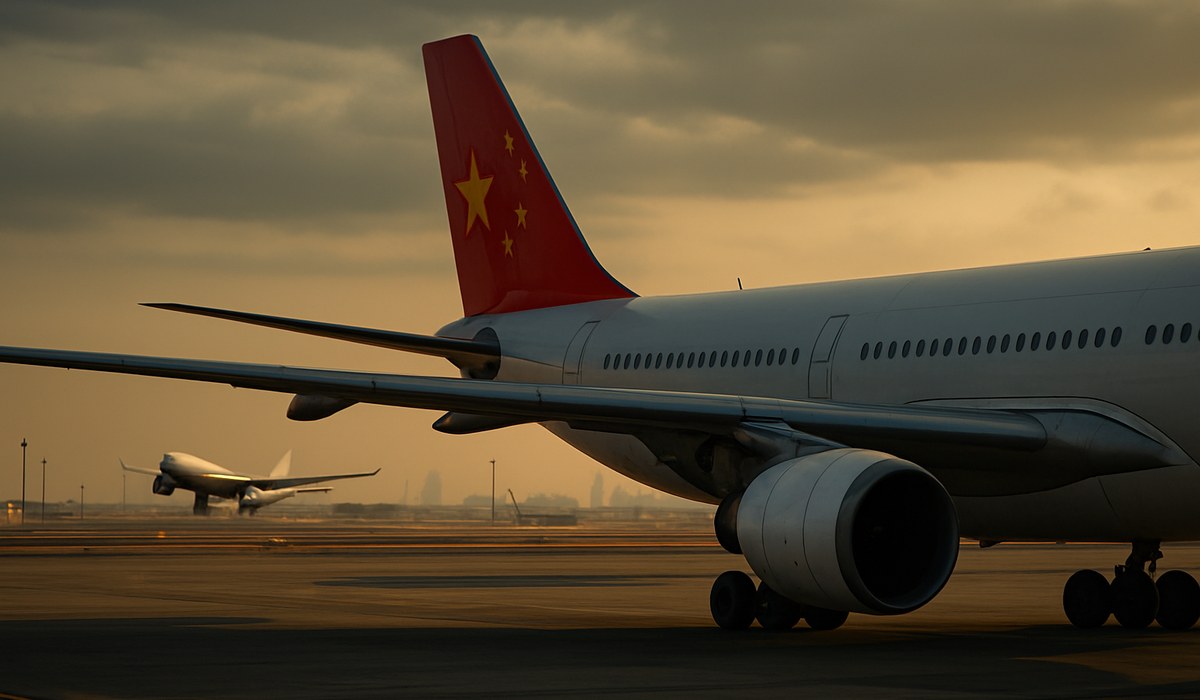
Image generated by AI
China has halted jet fuel exports effective March 2026 as part of a broader refined products ban, creating supply pressures across Asian aviation markets. The policy shift, announced by Beijing to prioritize domestic energy security amid surging global oil prices, is forcing Chinese carriers and regional airlines to weigh new fuel surcharges that could raise ticket costs just as peak spring and summer travel season begins.
China's Refined Fuel Export Ban Extends to Aviation Fuel
Beijing's directive to suspend refined fuel exports now encompasses aviation fuel shipments, marking a significant escalation from earlier restrictions that limited only gasoline and diesel. The March 2026 policy aims to shore up domestic jet fuel supplies after global prices spiked due to ongoing conflict in the Middle East and disruptions around the Strait of Hormuz. Chinese refiners face limited exemptions—only bonded fuel for international flights and supplies to Hong Kong and Macau remain authorized. Jet fuel benchmarks hover near two-decade highs, creating urgent supply challenges for neighboring countries that previously sourced substantial volumes from Chinese refiners. Vietnam's Civil Aviation Authority has warned airlines to prepare for possible flight reductions from April if shortages materialize, illustrating how China's export decisions ripple through Southeast Asia's aviation network.
Chinese Airlines Face Escalating Fuel Cost Pressures
Major Chinese carriers including Air China, China Southern Airlines, and China Eastern Airlines are grappling with fuel bills that have climbed steadily since late 2025. While the export ban aims to keep more aviation fuel available domestically, Chinese jet fuel prices remain closely tied to international benchmarks currently approaching $190-200 per barrel. Many carriers maintain limited fuel hedging programs, leaving them vulnerable to price volatility that now threatens profitability on price-sensitive domestic routes. State-owned and private airlines face difficult tradeoffs between sustaining capacity on recovering routes and managing costs that now represent a significantly higher share of operating expenses than just twelve months ago. Industry analysts note that fuel costs have become the single largest variable expense, with even small price fluctuations capable of erasing margins on competitive trunk routes within China's domestic network.
Regional Airlines Scramble for Alternative Jet Fuel Suppliers
Airlines across Southeast Asia are urgently renegotiating fuel procurement contracts following China's export halt. Carriers in Vietnam, Thailand, and the Philippines that previously relied on Chinese refiners for 15-30% of their jet fuel needs now face potential shortfalls during the April-October high-demand period. Singapore Changi Airport (SIN) and Bangkok Suvarnabhumi Airport (BKK) are monitoring fuel storage levels more closely as airlines seek alternative suppliers from Middle Eastern and South Korean refiners at premium prices. The International Air Transport Association reports that Asian aviation fuel prices have risen 23% since January 2026, with further increases expected if supply tightness persists through second quarter. Regional low-cost carriers operating on thin margins face particularly acute pressure, with some already reducing frequencies on marginal routes to conserve fuel.
Fuel Surcharges Return as Airlines Seek Revenue Recovery
Chinese airlines are actively considering reintroducing or increasing fuel surcharges on domestic and international tickets, mirroring actions already taken by carriers in India and other Asian markets. These surcharges allow airlines to separately itemize fuel costs rather than absorbing them into base fares, providing faster adjustment mechanisms as prices fluctuate. Historical patterns show Chinese carriers typically seek regulatory approval for surcharges when oil benchmarks cross specific thresholds, focusing first on longer-haul domestic flights and high-demand routes where passengers have fewer alternatives. International routes that depend on fuel uplifted at foreign airports could see higher surcharges as those facilities pass through their own cost increases. The timing creates tension—April through October represents peak leisure and business travel across China, and higher ticket costs risk dampening demand precisely when the industry needs robust bookings to repair balance sheets weakened during earlier downturns.
| Impact Category | Specific Effect | Timeline | Affected Routes |
|---|---|---|---|
| Export Volume | Jet fuel exports halted except bonded fuel | March 2026 | China to Vietnam, Thailand, Philippines |
| Fuel Prices | Benchmarks at $190-200/barrel, 23% increase since January | Q1-Q2 2026 | All Asian aviation markets |
| Vietnam Operations | Possible domestic flight reductions | April 2026 onward | Domestic Vietnamese routes |
| China Surcharges | New fuel fees under regulatory review | Expected April-May 2026 | Domestic trunk routes, international flights |
| Regional Supply | Airlines seeking Middle East, South Korea alternatives | March-June 2026 | SIN, BKK, MNL hub operations |
| Cost Share | Fuel now 35-40% of operating costs vs 28% in 2025 | Current | Chinese and regional carriers |
What This Means for Travelers
Passengers booking flights within China and across Southeast Asia should expect higher ticket prices in April 2026 and beyond as airlines implement fuel surcharges. Book spring and summer travel as early as possible to lock in current fares before surcharges take effect on popular routes. Monitor your airline's policy on fare changes—some carriers may allow free rebooking if surcharges are added after purchase. Consider flexible tickets for travel between April and October 2026, as some regional airlines may reduce frequencies or suspend marginal routes if fuel shortages materialize. Budget an additional 8-15% above advertised base fares to account for likely fuel surcharges on medium and long-haul flights originating in China or Southeast Asian hubs.
FAQ
How will China's jet fuel export ban affect my April 2026 flight from Beijing to Singapore? Your flight will operate as scheduled, but expect fuel surcharges to increase ticket costs by approximately 10-15% if your airline implements new fees before departure. Beijing Capital International Airport (PEK) has adequate domestic fuel supplies, but Singapore-bound flights may face higher costs as regional fuel prices rise due to tighter supply across Southeast Asia.
Which Chinese airlines are most likely to add fuel surcharges in 2026? Air China, China Southern Airlines, and China Eastern Airlines are all reviewing fuel surcharge options for domestic and international routes. Historical patterns show these carriers typically introduce surcharges on trunk routes like Beijing-Shanghai-Guangzhou and international flights to Southeast Asian destinations when jet fuel prices exceed $180 per barrel, a threshold already surpassed in March 2026.
Will Vietnam flight cancellations due to fuel shortages affect connecting travel? Vietnam's Civil Aviation Authority warned of possible domestic flight reductions starting April 2026 if jet fuel supplies from China remain halted. Travelers connecting through Hanoi (HAN) or Ho Chi Minh City (SGN) should monitor airline notifications closely and consider alternative routing through Singapore (SIN) or Bangkok (BKK) for critical April-October travel.
Can I track real-time fuel surcharge changes for my booked flights? Most airlines do not update fuel surcharges in real-time on booking platforms. Check your airline's fuel surcharge policy page directly or contact customer service 7-14 days before departure. FlightAware provides operational updates but does not track fare component changes—sign up for fare alerts through your airline's mobile app for the most current pricing information.
Related Travel Guides
Southeast Asia Flight Disruptions: What Travelers Need to Know in 2026
Complete Guide to Airline Fuel Surcharges and Passenger Rights
Vietnam Travel Advisory: Flight Schedules and Fuel Supply Updates
Disclaimer
This article is for informational and educational purposes only. It does not constitute legal, financial, or professional advice. While we strive to provide accurate and up-to-date information, travel policies, regulations, and conditions change rapidly. Always verify information with official sources before making travel decisions. Nomad Lawyer makes no representations about the accuracy, reliability, completeness, or suitability of the information provided. Readers should consult qualified professionals for advice specific to their circumstances. The views expressed in this article are those of the author and do not necessarily reflect the views of Nomad Lawyer.
Preeti Gunjan
Contributor & Community Manager
A passionate traveller and community builder. Preeti helps grow the Nomad Lawyer community, fostering engagement and bringing the reader experience to life.
Learn more about our team →