
French Polynesia Community Healthcare and Island Connectivity: Air Tahiti Nui Backs EVASAN Journeys to Paris

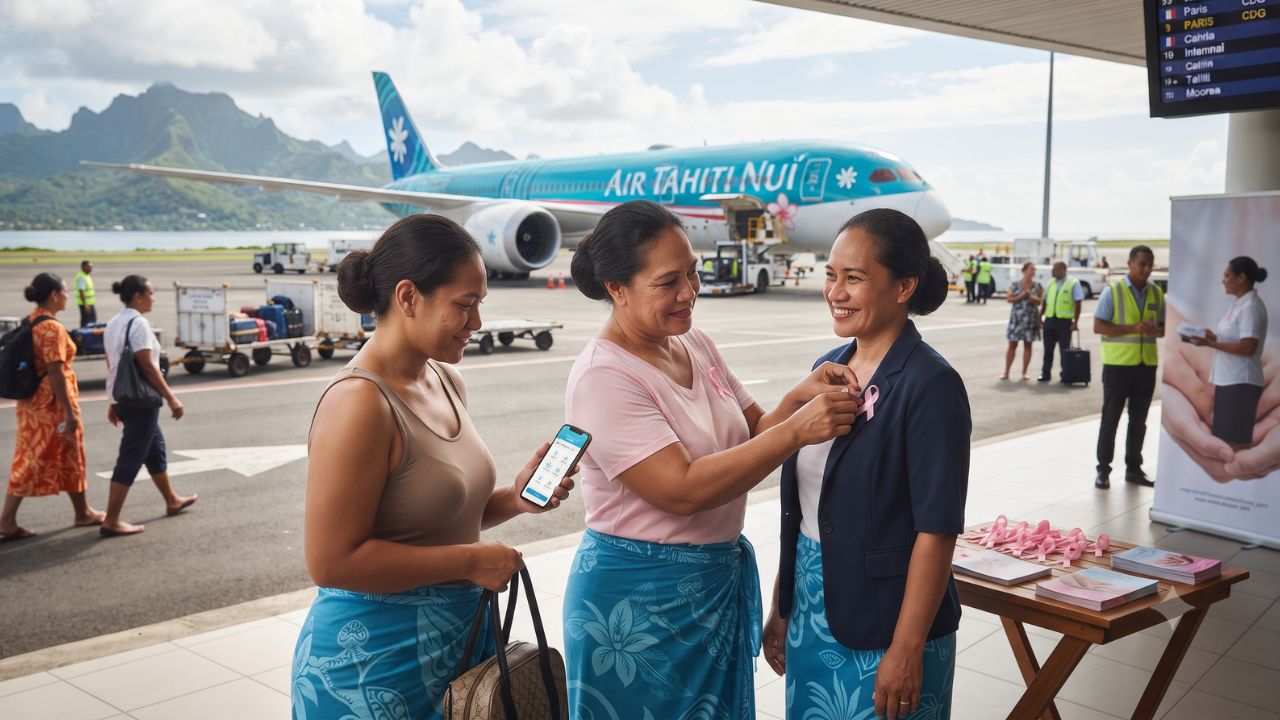
Spanning an oceanic territory as vast as Western Europe, French Polynesia's 118 dispersed islands rely on a 15,700-kilometer aerial lifeline to Paris for critical medical care. For residents of remote archipelagos diagnosed with complex oncological conditions, treatment frequently requires long-distance medical evacuation (EVASAN) across the globe. Through a dedicated long-term partnership with the Polynesian Committee of the League Against Cancer (established in 2006), flag carrier Air Tahiti Nui provides vital travel assistance, family reunion flights, and remote island healthcare outreach that bridges immense Pacific distances.
The collaboration addresses one of the most demanding geographic realities in global travel. Across the Society, Tuamotu, Gambier, Austral, and Marquesas archipelagos, secondary clinics on outer atolls can stabilize emergencies, but specialized radiation, complex surgical oncology, and advanced therapies for rare conditions necessitate transit to Tahiti's Centre Hospitalier de Polynésie Française (CHPF) in Pirae or transfer directly to metropolitan France. By subsidizing passenger seats, funding companion flights, and facilitating frontline screening initiatives, the airline links isolated island valleys directly with mainland European medical networks.
Island Lifelines: Bridging 15,700 Kilometers Between Papeete and Paris
Medical transfers from Tahiti Faa'a International Airport to Paris Charles de Gaulle represent one of the longest domestic aviation routes in the world. When complex diagnoses arise—particularly breast cancer, which remains the leading malignancy among women across the territory, alongside uterine cancer, myeloma, and sarcoma affecting younger demographics—specialized care in Paris becomes indispensable.
French Polynesia Medical Transit Overview
| Route Segment | Transport Mode | Distance | Primary Healthcare Function |
|---|---|---|---|
| Outer Atolls to Papeete | Regional Turboprop / Inter-Island Ferry | 250 – 1,600 km | Initial Triage & Secondary Diagnostic Care at CHPF Pirae |
| Tahiti (PPT) to Paris (CDG) | Long-Haul Boeing 787-9 Dreamliner | 15,700 km | Specialized Oncology, Advanced Radiation & Rare Pathology |
| Paris Transit Support | Te Aroha no Paris & Te Ramepa Ora | Metropolitan Transit | Patient Accompaniment, Translation & Logistical Assistance |
| Family Reunion Flights | Airline Assisted Booking | Transpacific Network | Family Morale Visits via Business Club Against Cancer |
Through the Business Club Against Cancer, founded three years ago, the airline partners with regional enterprises to finance the Family Reunions initiative. Under this framework during 2025 and 2026, relatives received travel support to visit long-term patients undergoing protracted therapies thousands of miles away. As emphasized by local health advocates, direct contact with family provides vital emotional resilience during prolonged medical stays.
The initiative also coordinates with support organizations in France, including Te Ramepa Ora and Te Aroha no Paris, enabling cultural liaisons and medical specialists to travel between metropolitan hubs and the Pacific territory. These exchanges help align medical protocols while ensuring Polynesian patients preserve cultural ties while away from home.
What Makes French Polynesia Different: Remote Geography and Community Bonds
Understanding the South Pacific requires grasping its sheer geographical scale. French Polynesia covers over 4 million square kilometers of ocean, yet its total dry land area is smaller than the island of Majorca. This creates unique logistical dynamics that shape daily life, tourism, and community welfare:
- Oceanic Dispersal: While visitors know Tahiti, Moorea, and Bora Bora, over seventy populated outer atolls depend on weekly supply ships and regional airstrips for basic provisions and prescription drugs.
- The Spirit of Fenua: Polynesian society functions on deep familial networks (feti'i) and communal solidarity (aroha). Being separated by global medical journeys causes acute psychological strain, making community travel programs essential.
- Specialized Health Challenges: Pacific island populations face specific epidemiological vulnerabilities, where modern lifestyle shifts intersect with genetic risk factors. Public health teams prioritize grassroots awareness campaigns targeting nutrition, tobacco use, alcohol reduction, and regular physical activity.
Tourism in the islands actively interacts with this infrastructure. International travelers landing at Faa'a Airport share the same airspace and logistics networks that sustain remote outer island communities. The revenue generated by incoming travel helps underwrite the aviation hubs and maritime links that keep remote island valleys connected.
Visitor Insider Tips: Navigating the Islands with Local Awareness
Travelers planning an authentic voyage through Tahiti Tourisme can explore the islands respectfully by adopting local rhythms and supporting community-based initiatives:
- Time Island Transfers Wisely: If island-hopping beyond Tahiti to the Tuamotus (such as Rangiroa, Fakarava, or Tikehau), book regional multi-island flight passes months in advance. Baggage weight allowances on inter-island turboprops are strictly capped at 23 kilograms (or 10 kilograms for non-pass bookings) to balance fuel and emergency cargo space.
- Embrace Cultural Etiquette: When visiting smaller villages on Huahine, Raiatea, or Maupiti, dress modestly away from the beach. Always ask permission before entering family-managed marae (sacred stone sanctuaries) or photographing local gatherings.
- Support Local Cooperatives: Purchase certified Tahitian black pearls directly from small-scale family farms in the Gambier and Tuamotu archipelagos rather than international duty-free shops. Look for genuine vanilla from Taha'a growers and monoi oil hand-pressed in the Marquesas.
- Participate in Wellness and Community Events: Travelers visiting in October will witness Pink October campaigns throughout the territory, including pink-themed flights and public charity walks. Visitors can also participate in open community athletic events like the upcoming Relais pour la Vie scheduled for 2027.
- Taste Traditional Island Fare: Skip imported resort buffets and eat at the waterfront roulottes (food trucks) at Place Vaiete in Papeete. Order poisson cru au lait de coco (raw tuna marinated in lime and freshly squeezed coconut milk) paired with roasted uru (breadfruit) and fresh papaya.
Cultural and Environmental Context: Sustaining Pacific Heritage
Healthcare access and environmental preservation in French Polynesia are closely interlinked. The fragile ecosystems of low-lying coral atolls make island communities acutely vulnerable to climate fluctuations, coastal erosion, and supply chain disruptions. In response, local authorities and cultural associations emphasize traditional ecological wisdom (rahu'i)—a system of temporary resource bans that allows marine reserves and terrestrial forests to regenerate naturally.
Initiatives led by the Ligue contre le cancer collaborate closely with island councils to promote traditional food sovereignty. Encouraging consumption of fresh local reef fish, root vegetables (taro and igname), and native fruits helps counter reliance on imported ultra-processed canned goods that have contributed to rising lifestyle-related health risks over recent decades.
By aligning airline corporate social responsibility with grassroots health education and employment re-entry programs for recovering patients, the territory demonstrates how modern aviation can serve island communities sustainably while preserving the social cohesion of Polynesia.
FAQ: Visiting French Polynesia 2026
What is the best time of year to visit French Polynesia? The dry austral winter between May and October offers pleasant temperatures (24°C to 28°C), lower humidity, and minimal rainfall. The shoulder months of April and November provide excellent diving visibility and fewer crowds across outer archipelagos.
Do international travelers require a visa for Tahiti? Citizens of the European Union, United States, Canada, the United Kingdom, and Australia do not require a tourist visa for stays up to 90 days within a 180-day period. Valid passports with at least six months remaining validity and return tickets are mandatory.
How do travelers reach outer islands from Papeete? Air Tahiti operates scheduled domestic flights from Tahiti Faa'a Airport to over 45 island airstrips across all five archipelagos. Inter-island ferries like the Aremiti and Terevau connect Tahiti to neighboring Moorea in 30 to 45 minutes.
Is medical infrastructure reliable for tourists in French Polynesia? Tahiti offers modern medical facilities at the Centre Hospitalier de Polynésie Française in Pirae, equipped with emergency trauma and surgical units. For remote atolls, travelers should carry comprehensive travel health insurance that covers emergency medical evacuation.
Related Travel Guides
- French Polynesia Inter-Island Flight Passes and Sustainable Atoll Travel Guide
- South Pacific Cultural Etiquette and Sacred Marae Exploration Protocol
- Official Tahiti Tourisme Practical Visitor Resources and Entry Guidelines
Across the vast expanse of the South Pacific, true luxury is found not in secluded overwater bungalows, but in the enduring spirit of community that keeps the most remote islands intimately connected.
Disclaimer
This article is for informational and educational purposes only. It does not constitute legal, financial, or professional advice. While we strive to provide accurate and up-to-date information, travel policies, regulations, and conditions change rapidly. Always verify information with official sources before making travel decisions. Nomad Lawyer makes no representations about the accuracy, reliability, completeness, or suitability of the information provided. Readers should consult qualified professionals for advice specific to their circumstances. The views expressed in this article are those of the author and do not necessarily reflect the views of Nomad Lawyer.
Naina Thakur
Contributor & Travel Specialist
Travel enthusiast and legal writer covering visa regulations, responsible tourism, and cultural journeys across global destinations.
Learn more about our team →