
Air New Zealand Unveils Major Boeing 777 Cabin Upgrades to Enhance Comfort and Strengthen Global Reach in the Competitive Long-Haul Aviation Market: New Travel Alert
Discover Air New Zealand's Boeing 777 cabin upgrades designed to improve passenger experience, boost aircraft availability, and compete with Qantas.

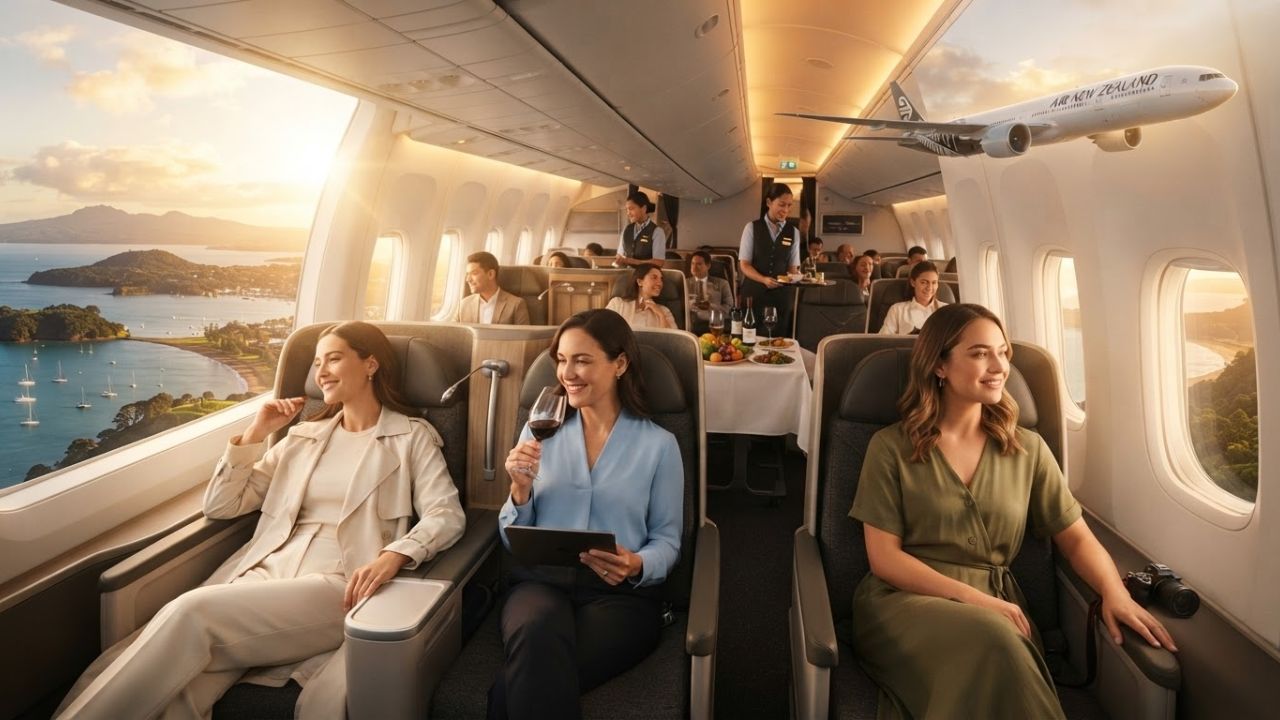
Image generated by AI
Published on July 26, 2026
Air New Zealand is transforming Pacific travel by launching a major cabin transformation program for its Boeing 777 fleet, preparing the airline for a new era of international competition. Following a challenging period of operational constraints, the carrier is focusing heavily on upgrading its aircraft availability and long-haul networks. The strategic fleet upgrade is designed to improve the passenger experience, strengthen Auckland’s role as a global gateway, and allow the airline to compete effectively against expanding international route systems in the long-haul aviation sector.
Quick Summary
- Boeing 777 Upgrades: Air New Zealand is investing in modern cabin transformations for its widebody Boeing 777 fleet.
- Long-Distance Competition: The strategy directly challenges Qantas' expanding ultra-long-range connectivity plans in the Southern Hemisphere.
- Operational Recovery: The program marks a transition beyond post-pandemic maintenance backlogs and engine-related disruptions.
- Auckland Airport Hub: Auckland continues to serve as the central gateway connecting New Zealand with Asia, North America, and the Pacific.
- Passenger Comfort Focus: Upgraded cabins target premium travelers by offering enhanced seating quality, service standards, and onboard tech.
Context and Background: Operational Recovery and the Future of Long-Haul Aviation
Following the COVID-19 pandemic, Southern Hemisphere airlines faced severe operational pressures due to supply chain backlogs, aircraft shortages, and engine maintenance delays. According to fleet updates published by the Air New Zealand Group to outline its corporate recovery, improving aircraft availability is essential to meet growing travel demands. By restoring fleet capacity, the airline can rebuild its international network and offer more reliable schedules.
This focus on operational reliability is critical as competition increases across major transpacific routes. Rebuilding capacity through Auckland, which relies on infrastructure facilities managed by Auckland Airport to support global travelers, helps secure New Zealand's role as a major tourism and business gateway. For the island nation, establishing high-quality, direct connections is essential to support the economy and ensure the carrier remains a competitive force in long-haul aviation.
Event and Incident Details: Cabin Modernization in the Long-Haul Aviation Sector
Air New Zealand's transformation strategy centers on upgrading its Boeing 777 interiors, ensuring the aircraft can continue to operate the airline's longest international routes.
Air New Zealand Strategic Fleet and Network Matrix:
| Airline Strategic Component | Focus & Implementation Areas | Operational Infrastructure & Hubs | Key Competitive Targets |
|---|---|---|---|
| Fleet Upgrades | Upgraded interiors for Boeing 777 fleet | Long-range transpacific operations | Focuses on premium passenger comfort |
| Operational Recovery | Resolving engine & maintenance issues | Rebuilding fleet capacity after COVID-19 | Improves aircraft availability & schedules |
| Global Gateway Hub | Auckland Airport (AKL) hub network | Connecting to Asia, North America, and Pacific | Strengthens international transit capacity |
| Southern Hemisphere Rivalry | Competes directly with Qantas routes | Focuses on passenger experience over distance | Challenges Qantas' ultra-long-haul expansion |
The Boeing 777 widebody remains a key part of the airline's network due to its range, passenger capacity, and route flexibility. By modernizing these cabins, Air New Zealand aims to attract both leisure and business travelers flying between New Zealand and major global hubs.
Risk and Impact: Maintenance Backlogs, Delivery Delays, and Capacity Bottlenecks
While the fleet transformation program strengthens the airline's network, travelers should prepare for specific operational challenges:
- Staged Retrofit Schedules: Cabin upgrades require taking aircraft out of service temporarily, which can limit seat availability on popular routes.
- Global Supply Chain Delays: Disruptions in aircraft seat manufacturing and cabin components can delay the completion of retrofits.
- Persistent Maintenance Backlogs: Engine availability issues and scheduled drydock maintenance may continue to cause occasional schedule adjustments.
- Increased Fare Pressure: High demand for premium cabins can lead to higher ticket prices during peak summer travel periods.
- Airport Construction Bottlenecks: Ongoing upgrades at Auckland Airport may affect terminal transfers and passenger processing times.
What Aviation Planners and Travel Advisors Are Saying
Airlines planners suggest that as Qantas develops direct ultra-long-haul routes to Europe and North America, Air New Zealand must focus on passenger comfort to keep travelers loyal. Travel consultants recommend booking flights operated by the upgraded Boeing 777 to experience the newer seating configurations and modern inflight technology. Coordinators state that maintaining a reliable, modern fleet is the most effective way to secure Auckland's position as a leading transit gateway in the Pacific.
Practical Traveler Advice: Planning Your Transpacific Booking
For passengers flying on Air New Zealand's long-haul routes, travel guides recommend the following tips:
- Verify Your Aircraft Type During Booking: Check your reservation details to confirm if your flight is operated by the upgraded Boeing 777.
- Book Premium Cabins Early: Secure your premium economy or business class seats months in advance to capture the best fares.
- Use the Mobile App for Real-Time Alerts: Track departure times, gate changes, and baggage status digitally through the airline's app.
- Allocate Adequate Connection Layovers: Allow extra transfer time when connecting through Auckland Airport due to terminal upgrades.
- Monitor Airline Loyalty Program Offers: Look for upgrade promotions using frequent flyer points to access the new cabins.
Broader Context: Transpacific Aviation Rivalries
The competition between Southern Hemisphere carriers highlights a wider shift in global aviation, where airlines compete on passenger comfort rather than ticket prices alone. While Qantas focuses on ultra-long-range flights to connect Australia directly with distant markets, Air New Zealand is concentrating on upgrading its existing operations. This rivalry encourages both carriers to invest in next-generation seats, improved dining options, and better entertainment systems, benefiting international travelers.
Looking Ahead: Staged Cabin retrofits and Fleet Deliveries
Looking forward, Air New Zealand will proceed with staged cabin retrofits across its Boeing 777 fleet while monitoring aircraft availability daily. Airline planners will evaluate passenger feedback on the new interiors to refine future cabin designs and inflight services. As the carrier works to restore its international network strength, these widebody upgrades will continue to serve as the foundation for its long-term growth and transpacific market competitiveness.
Conclusion: A Premium Transpacific Journey
Ultimately, Air New Zealand's Boeing 777 cabin upgrades show the airline's commitment to delivering a modern and comfortable experience for long-haul travelers. By improving fleet reliability and seating comfort, the carrier is well-positioned to compete in the Pacific region. Planning your booking details early will guarantee a comfortable and stress-free international journey.
FAQ: Air New Zealand Boeing 777 Upgrades
Why is Air New Zealand upgrading its Boeing 777 cabins?
The airline is upgrading its widebody cabins to improve the passenger experience, attract premium business and leisure travelers, and remain competitive on long-haul routes.
How does this strategy compare to Qantas' expansion?
While Qantas focuses on launching new ultra-long-distance direct routes, Air New Zealand is concentrating on strengthening its current networks and improving passenger comfort.
Which hub is central to Air New Zealand's connectivity?
Auckland Airport (AKL) serves as the primary international hub, connecting New Zealand with major markets across Asia, North America, and the Pacific.
Can travelers access the upgraded cabins immediately?
The cabin upgrades are being rolled out through a staged retrofit program. Travelers should check their aircraft type during booking to confirm if their flight features the new interiors.
Related Travel Guides
- Qatar Airways Boeing 777 Intercepted by RAF Typhoons Over United Kingdom After Temporary Aircraft Communication Failure Triggers Security Alert: New Travel Alert
- Air France Bolsters Narrowbody Fleet with Fifty-Eighth Airbus A220-300 Named Dinan, Accelerating its Sustainable Fleet Modernisation Program: New Travel Alert
- Vietnam Introduces New E-Visa System Upgrades to Simplify Entry Procedures and Boost International Tourist Arrivals: New Travel Alert
Suggested SEO Metadata & Assets
- Meta Title: Air New Zealand 777 Cabin Upgrade Guide
- Meta Description: Air New Zealand launches Boeing 777 cabin upgrades. Explore passenger comfort features, aircraft availability, and transpacific aviation competition.
- URL Slug: air-new-zealand-boeing-777-cabin-upgrade-2026
- Tags:
Air New Zealand,Boeing 777 Cabin Upgrade,long-haul aviation,new zealand travel,Travel News - Featured Image Alt Text: A beautifully arranged gourmet meal served on a luxury table setting, representing premium dining and passenger comfort in transpacific travel.
Disclaimer
This article is for informational and educational purposes only. It does not constitute legal, financial, or professional advice. While we strive to provide accurate and up-to-date information, travel policies, regulations, and conditions change rapidly. Always verify information with official sources before making travel decisions. Nomad Lawyer makes no representations about the accuracy, reliability, completeness, or suitability of the information provided. Readers should consult qualified professionals for advice specific to their circumstances. The views expressed in this article are those of the author and do not necessarily reflect the views of Nomad Lawyer.
Kunal K Choudhary
Co-Founder & Contributor
A passionate traveller and tech enthusiast. Kunal contributes to the vision and growth of Nomad Lawyer, bringing fresh perspectives and driving the community forward.
Learn more about our team →