
Saudi Arabia India Route: Air India Flight Diverted Over Cargo Fire Warning
Air India's New York to Mumbai flight diverted to Saudi Arabia on March 20, 2026, after cockpit crew detected a potential cargo fire warning. All 280 passengers safely landed and continued their journey.

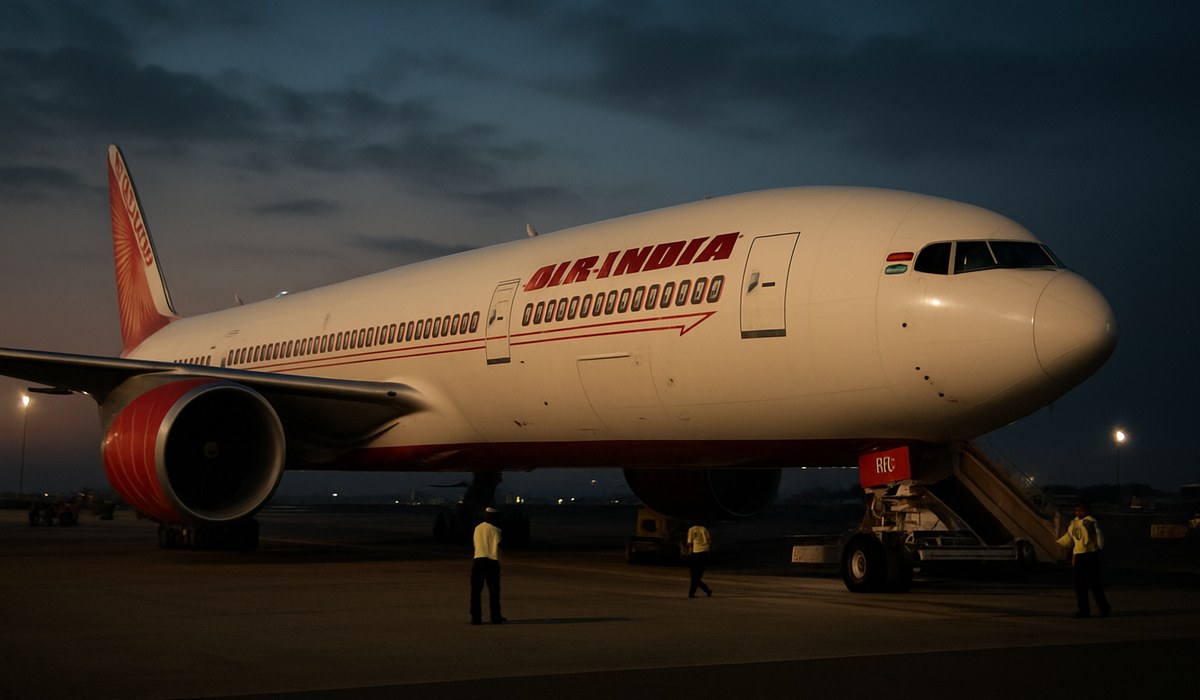
Image generated by AI
Air India Flight Diverted to Saudi Arabia After Cockpit Fire Warning
Air India diverted a New York to Mumbai flight to Saudi Arabia on March 20, 2026, following a cockpit warning of potential cargo fire. The aircraft carrying 280 passengers landed safely at Riyadh International Airport (RUH) after approximately four hours of flight time. Crew members immediately initiated emergency procedures upon detecting the warning system activation in the cargo hold monitoring system. All passengers disembarked without incident and were provided accommodations. The airline resumed passenger travel within 18 hours after a complete aircraft inspection cleared the aircraft for continued operations.
Understanding the Cockpit Warning System That Triggered the Diversion
The cockpit warning that prompted the diversion originated from Air India's advanced fire detection system in the cargo hold. Modern commercial aircraft rely on continuous monitoring equipment to detect smoke, heat, or pressure anomalies in lower deck cargo compartments where passenger baggage and freight are stored. The system flagged a potential thermal event, which mandatory aviation protocols require crews to treat as an immediate safety concern. According to the FAA, cockpit warnings trigger standardized response procedures that prioritize passenger safety over schedule adherence. Air India's pilots made the correct decision to land at the nearest suitable airport rather than continue to their original destination in Mumbai.
Saudi Arabia's Riyadh Airport Becomes Emergency Landing Site
Riyadh International Airport (RUH) served as the optimal diversion airport for the Air India flight due to its strategic location along the New York to Mumbai corridor. The facility operates as one of the Middle East's largest aviation hubs, with comprehensive ground support infrastructure and technical capabilities. Saudi Arabia's air traffic control coordinated the unscheduled landing with Air India dispatch teams. The airport accommodated the 280 passengers in terminal facilities and arranged hotel accommodations for the overnight stay. Ground crews completed a thorough inspection of the aircraft's cargo hold systems before Air India authorized the flight to resume operations toward Mumbai the following morning.
Air India's Response and Passenger Communication Protocol
Air India implemented its standard passenger care procedures immediately upon landing at Riyadh. The airline provided meal vouchers, hotel accommodations, and communication assistance for all 280 affected travelers. Passengers received periodic updates regarding the cargo hold inspection progress and expected resumption time. The airline's ground staff arranged alternative flight options for connecting passengers whose schedules became compromised. Air India issued formal statements confirming that no fire was detected once the aircraft landed and inspections commenced. The incident highlighted the effectiveness of modern aircraft safety systems in detecting potential hazards before they escalate into emergencies.
Flight Tracking and Real-Time Monitoring Resources for Travelers
Passengers monitoring this incident utilized FlightAware, the industry's leading flight tracking platform, to follow the aircraft's unexpected route change and landing at Riyadh. Real-time tracking data showed the aircraft's position, altitude changes, and speed adjustments during the diversion. Aviation enthusiasts and concerned family members monitored the flight status continuously through the platform's detailed radar feeds. Understanding flight tracking tools helps travelers stay informed during disruptions and receive accurate information about aircraft positions. The transparency provided by modern flight tracking systems reassures passengers that diversion incidents are being handled professionally.
Your Traveler Action Checklist
-
Check flight status immediately on FlightAware or your airline's official app if you're booked on similar routes between New York and Mumbai.
-
Review your airline's delay policy to understand compensation eligibility if your flight experiences similar disruptions.
-
Save the [US Department of Transportation Consumer Assistance hotline](https://www.transportation.gov/airconsumer) for reporting compensation claims related to flight diversions.
-
Document all expenses incurred during unplanned layovers, including meals, hotels, and ground transportation.
-
Register for airline alerts to receive real-time notifications about your flight status and any irregularities.
-
Photograph boarding passes and receipts to substantiate claims for reimbursement if eligible under international aviation rules.
-
Contact IATA for passenger rights information if your airline delays compensation or refuses reimbursement.
-
Verify aircraft maintenance records before rebooking on a replacement aircraft, especially after serious warnings.
What This Means for Travelers on Saudi Arabia-India Routes
Travelers booking flights between North America and South Asia should understand that diversions are standard safety procedures, not emergencies. The incident demonstrates that modern cockpit warning systems function effectively to detect potential problems before they become dangerous. Airlines operating the New York to Mumbai corridor maintain strategic partnerships with Middle Eastern airports like Riyadh to facilitate quick diversions when necessary. Passengers should expect temporary inconvenience but can be confident that aviation regulatory standards prioritize safety. Travelers can check their airline's diversion protocols and compensation policies before booking. Understanding these procedures reduces anxiety during unexpected flight changes. The Saudi Arabia diversion represented a textbook example of aviation safety systems working exactly as designed.
Incident Details and Flight Information
| Information Category | Specific Details |
|---|---|
| Originating Airport | John F. Kennedy International Airport (JFK), New York |
| Intended Destination | Bombay Aerodrome (BOM), Mumbai |
| Diversion Airport | King Fahd International Airport (RUH), Riyadh |
| Total Passengers Affected | 280 travelers |
| Incident Date | March 20, 2026 |
| Time of Diversion | Approximately 4 hours into flight |
| Trigger Event | Cockpit cargo hold fire detection warning |
| Aircraft Status Upon Landing | All systems normal, no fire detected |
| Inspection Duration | Approximately 14 hours |
| Passenger Accommodation | Hotel, meals, ground transportation |
Frequently Asked Questions
What caused the Air India flight from New York to Mumbai to divert to Saudi Arabia? A cockpit fire detection system in the cargo hold activated during cruise altitude, triggering mandatory diversion protocols. The warning system detected a potential thermal anomaly in the lower deck cargo compartment. Upon landing at Riyadh, ground crews completed comprehensive inspections and found no actual fire or damage. The aircraft returned to service after clearance.
How many passengers were on the Saudi Arabia-bound Air India flight that diverted? Exactly 280 passengers were aboard the New York to Mumbai flight when the cockpit warning activated. All passengers disembarked safely at Riyadh International Airport without injuries or incidents. The airline provided full accommodations and meals during the unscheduled overnight stop in Saudi Arabia.
Are passengers entitled to compensation for the Saudi Arabia India flight diversion? Compensation eligibility depends on your specific flight booking and the airline's policies. Under US DOT regulations, passengers may qualify for reimbursement if delays exceed three hours. Air India typically covers hotel, meal, and communication expenses during diversions. Consult your airline's terms or file a claim with the US Department of Transportation for specific guidance.
Will the New York to Mumbai route resume normal operations after the Saudi Arabia diversion incident? Yes, the aircraft returned to service immediately after passing inspections. Air India resumed scheduled New York to Mumbai flights the following day using the same aircraft and crew. The incident triggered standard maintenance documentation and safety reviews but did not result in route closures. Passengers can continue booking this route with confidence in airline safety protocols.
Related Travel Guides
Understanding International Flight Diversion Protocols and Passenger Rights
Disclaimer
This article is for informational and educational purposes only. It does not constitute legal, financial, or professional advice. While we strive to provide accurate and up-to-date information, travel policies, regulations, and conditions change rapidly. Always verify information with official sources before making travel decisions. Nomad Lawyer makes no representations about the accuracy, reliability, completeness, or suitability of the information provided. Readers should consult qualified professionals for advice specific to their circumstances. The views expressed in this article are those of the author and do not necessarily reflect the views of Nomad Lawyer.
Raushan Kumar
Founder & Lead Developer
Full-stack developer with 11+ years of experience and a passionate traveller. Raushan built Nomad Lawyer from the ground up with a vision to create the best travel and law experience on the web.
Learn more about our team →