
Airlines Boeing Keep Older Aircraft Flying Longer in 2026
Airlines Boeing keep older aircraft in service longer than expected in 2026. Supply chain delays, cargo demand, and specialized routes extend the operational lifespan of legacy jets worldwide.

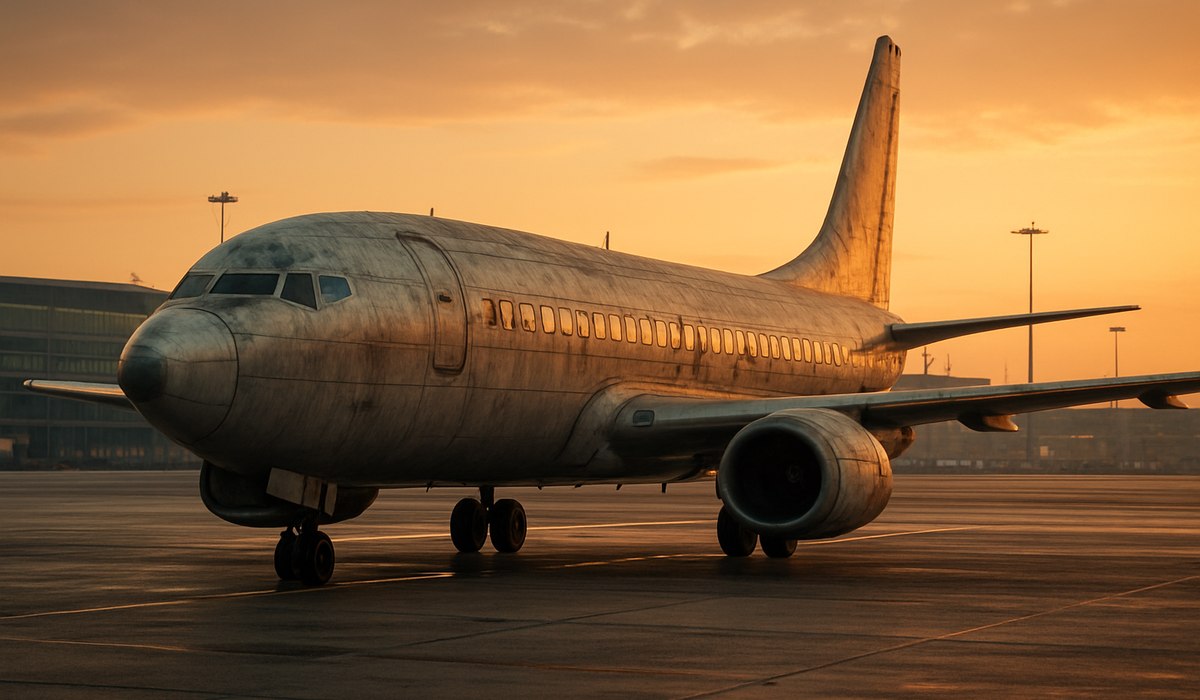
Image generated by AI
Why Airlines Refuse to Retire Aging Aircraft
Airlines worldwide continue flying decades-old jets longer than originally planned, defying industry expectations for fleet modernization. Legacy aircraft from Boeing and Airbus remain operational across major carriers, performing specialized missions that newer planes cannot efficiently handle. The decision to keep older aircraft in service reflects a complex intersection of economic pressures, supply chain constraints, and operational requirements that persist through 2026.
Airlines Boeing keep older aircraft because manufacturing delays for new jets have created unprecedented fleet shortages. The commercial aviation sector faces a production backlog that extends years into the future. Additionally, maintenance-friendly older models provide reliable revenue generation without the capital expenditure of next-generation aircraft. Carriers view legacy jets as transitional assets that bridge the gap until delivery schedules normalize.
The Economics of Flying Older Jets
Operating older aircraft delivers surprising financial advantages that modern economics cannot ignore. Airlines Boeing keep older planes operational because their acquisition costs remain negligible compared to new aircraft purchases exceeding $100 million per unit. Spare parts inventory for proven platforms like the 737 and A320 remains abundant and affordable.
The per-flight operating cost equation heavily favors legacy aircraft for certain route segments. Depreciation costs are virtually eliminated since these jets carry minimal book value. Insurance expenses remain proportionally lower. Crew training requirements stay minimal because pilots already possess currency on established platforms. Maintenance labor pools maintain expertise in older systems, reducing technician shortage impacts.
Fuel efficiency differences between old and new aircraft matter less on shorter routes where older jets excel. Legacy narrowbody aircraft like the 737-700 and A320-200 consume only marginally more fuel per available seat mile than newer variants on 200-400 mile sectors. Airlines strategically deploy aging aircraft on regional routes while reserving fuel-efficient widebodies for transcontinental missions.
Legacy Aircraft in Cargo Operations
Cargo carriers demonstrate the most aggressive commitment to extending older aircraft service life. Freighter operators don't prioritize passenger comfort, allowing them to overlook cabin pressurization limitations, older avionics, or noise considerations that passenger carriers find objectionable. This operational flexibility lets cargo airlines maximize equipment utilization from legacy jets.
Widebody freighters like the Boeing 747-400, Airbus A330-200, and 767-300 remain highly sought after by integrators and all-cargo carriers. These aircraft carry substantial payload volumes across international routes where new freighter availability remains scarce. Conversion programs that transform passenger aircraft into cargo planes keep older fuselages economically viable for 10-15 additional years.
The 747 superjumbo, once considered obsolete for passenger service, flies regular cargo missions for FedEx, UPS, and DHL. These aircraft handle high-volume, lower-density cargo that requires the massive belly capacity only large widebodies provide. Dedicated freighter versions of older jets often outperform newer narrowbody cargo aircraft on payload-per-mission metrics.
Airlines Boeing keep cargo operations running smoothly by deploying proven platforms that minimize scheduling disruption. Cargo operators accept higher maintenance intervals and accept that older technology reduces dispatch reliability slightly—the trade-off remains economically favorable compared to acquiring limited supplies of new freighters.
Specialized Routes and Mission Requirements
Certain international routes and remote airport operations depend on older aircraft capabilities that manufacturers discontinued in newer designs. The Boeing 757, despite its age, remains United Airlines' primary workhorse for demanding transatlantic and Latin American routes. Its hot-and-high performance characteristics allow operations from airports with short runways or high-altitude locations where newer aircraft struggle.
Airlines Boeing keep 757s flying because no direct successor exists with identical operational flexibility. Airbus never produced an exact 757 replacement, leaving a capability gap that newer, larger aircraft cannot efficiently fill. Regional routes connecting secondary cities to major hubs often depend on legacy narrowbody aircraft that maximize capacity without oversizing for passenger demand.
Specialized missions include medical evacuation flights, government charters, and scientific research missions where older aircraft provide proven platforms with established safety records. Ice-rated variants of older turboprops and regional jets continue serving Arctic and Antarctic operations where newer aircraft lack cold-weather certification.
Supply Chain Pressures Extending Aircraft Life
Manufacturing disruptions following global events created unprecedented aircraft delivery delays that continue affecting airline planning into 2026. New aircraft construction backlogs exceed three years for most major aircraft types. Suppliers struggle to deliver engines, avionics, and interior components at required production rates.
Airlines facing fleet expansion requirements without new aircraft access have accelerated life-extension programs on existing older aircraft. Major carriers invested millions in structural inspections, cockpit upgrades, and maintenance facility upgrades to extend service authorizations by 5-10 years. Regulatory approvals for extended operations on 30-40 year old aircraft became increasingly common.
Engine overhaul facilities operate at maximum capacity, creating waiting lists for major maintenance events. Airlines prioritize completing overhauls on older aircraft destined for longer service life. Maintenance reserves originally set aside for retirement now fund structural reinforcement and system modernization that justify continued operations.
Current Fleet Status and Timeline
Major carriers report significantly extended service life projections for older aircraft. American Airlines, United Airlines, and Southwest Airlines collectively operate hundreds of B737 and A320 variants manufactured in the 1990s and early 2000s. These aircraft now carry retirement dates extending to 2028-2032 rather than the 2024-2026 timeframe originally planned.
International carriers including Lufthansa, Air France, and British Airways have similar extended timelines for older widebody aircraft. Aircraft originally scheduled for retirement during 2025 continue flying profitable routes. Fleet renewal plans that assumed sequential aircraft replacement now operate on extended transition models with 3-5 year overlaps.
Check real-time fleet tracking data through FlightAware to monitor specific aircraft operating history and age. The FAA maintains detailed aircraft registration and service records through its database accessible on FAA.gov.
| Aircraft Type | Typical Retirement Age | Current Average Service Life | Primary Users | Reason for Extension |
|---|---|---|---|---|
| Boeing 737-700/800 | 25-27 years | 28-32 years | Southwest, United, American | Production backlog, cargo conversions |
| Airbus A320-200 | 25-28 years | 28-33 years | Lufthansa, Air France, TAP | Supply chain delays, profitable routes |
| Boeing 757 | 30 years | 32-35+ years | United, American | No successor aircraft available |
| Boeing 747-400 | 28-30 years | 30-35+ years | Cargo carriers, Emirates, Air China | Cargo demand, jumbo capacity needed |
| Airbus A330-200 | 28-30 years | 30-35 years | Emirates, Thai, Malaysia Airlines | Widebody scarcity, profitable trunk routes |
| Boeing 767-300 | 28-30 years | 30-35 years | Delta cargo, FedEx, UPS | Freighter demand, payload capacity |
What This Means for Travelers
Extended service life for older aircraft introduces nuanced considerations for passengers planning air travel. While regulatory oversight ensures all aircraft meet strict safety standards regardless of age, traveling on legacy equipment differs from boarding new-generation planes.
Passenger experience varies depending on aircraft age and airline investment levels. Older aircraft typically feature narrower cabins, fewer overhead bin configurations, and less advanced entertainment systems than newer alternatives. Cabin humidity and air filtration systems on legacy jets operate less efficiently than modern designs, potentially affecting passenger comfort on long-haul flights.
Safety remains uncompromised because maintenance requirements intensify with aircraft age. Airlines performing inspections and overhauls on older aircraft meet identical certification standards as newer fleet additions. The FAA enforces continuous airworthiness inspections regardless of aircraft age. Regulatory guidance from the U.S. Department of Transportation confirms that aircraft age alone does not correlate with safety risk.
Traveler Action Checklist
- Review aircraft type before booking by checking airline seat maps and equipment specifications online
- Request aircraft information when booking—customer service teams maintain detailed deployment schedules
- Monitor your specific flight assignment 72-96 hours before departure through airline apps and FlightAware
- Register with your airline's frequent traveler program for equipment upgrade opportunities
- Book direct flights on older aircraft only when schedule convenience outweighs comfort preferences
- Document flight details and aircraft serial numbers if experiencing mechanical issues for future DOT complaints
- File compensation claims through airline customer service if mechanical delays exceed two hours
- Check your airline's fleet renewal timeline on investor relations websites for future upgrade schedules
- Consider premium cabin upgrades on older widebody aircraft for enhanced seating and amenities
- Subscribe to airline route announcements to track when newer aircraft debut on preferred flights
Frequently Asked Questions
How old is too old for commercial aircraft safety?
Commercial aircraft routinely operate safely well beyond 30 years with proper maintenance. The oldest commercial jets flying include aircraft manufactured in the 1980s. Safety depends on maintenance schedules and regulatory compliance rather than chronological age. Aircraft undergo continuous airworthiness inspections throughout their operational life, with increasing frequency as they age.
Will airlines eventually retire all older aircraft?
Aircraft retirement timelines shift with economic conditions and fleet development timelines. Airlines will gradually retire older jets as new aircraft deliveries normalize and supply chains stabilize. However, many legacy aircraft may operate commercially into the 2030s if they continue generating profitable revenue and meet modern emission standards through operational efficiency.
What's the difference between passenger and cargo aircraft age?
Cargo operators maintain older aircraft longer because they eliminate passenger comfort requirements. Freighter operators accept lower dispatch reliability and higher maintenance costs in exchange for favorable payload economics. Passenger airlines retire aircraft earlier because customer expectations demand modern amenities and newer technology.
How can I avoid flying on very old aircraft?
Request current aircraft type during booking or check airline websites for equipment assignments. Avoid booking on legacy aircraft by selecting newer aircraft alternatives when available. Premium cabin bookings increase likelihood of newer aircraft deployment. Follow airline route announcements to identify when new aircraft debut on your preferred routes.
What This Means for Frequent Travelers
Recurring business travelers should track aircraft assignment patterns on preferred routes. Some airline-airport combinations consistently deploy older equipment due to geographic factors or route profitability calculations. Building airline relationships through loyalty programs provides upgrade opportunities that move passengers from older to newer equipment. Flexibility in scheduling often reveals better aircraft availability on alternative flight times.
Related Travel Guides
Explore additional resources on aviation topics:
- How to File Airline Complaints with the DOT
- Understanding Your Rights During Flight Delays and Cancellations
- Complete Guide to Airline Compensation Claims in 2026
Disclaimer
This article reflects industry reporting as of March 2026 regarding aircraft retirement trends and fleet deployment practices. Information about specific aircraft assignments, carrier policies, and regulatory requirements changes frequently. Aircraft availability varies by date, route, and airline operational decisions. Always verify current aircraft type and flight details with your airline before traveling. Regulatory guidance regarding aircraft safety standards is available through the Federal Aviation Administration at FAA.gov and passenger rights information through the Department of Transportation. Verify with your airline or travel provider before booking to confirm equipment specifications and service policies.
Disclaimer
This article is for informational and educational purposes only. It does not constitute legal, financial, or professional advice. While we strive to provide accurate and up-to-date information, travel policies, regulations, and conditions change rapidly. Always verify information with official sources before making travel decisions. Nomad Lawyer makes no representations about the accuracy, reliability, completeness, or suitability of the information provided. Readers should consult qualified professionals for advice specific to their circumstances. The views expressed in this article are those of the author and do not necessarily reflect the views of Nomad Lawyer.
Raushan Kumar
Founder & Lead Developer
Full-stack developer with 11+ years of experience and a passionate traveller. Raushan built Nomad Lawyer from the ground up with a vision to create the best travel and law experience on the web.
Learn more about our team →