
JetBlue Delta and Southwest Suspend Seven Flights at Tampa International Airport Impacting Routes to Zurich and Phoenix
Seven flights were suspended by JetBlue, Delta, and Southwest at Tampa International Airport, triggering widespread delays for passengers traveling to Zurich, Phoenix, and other major hubs.

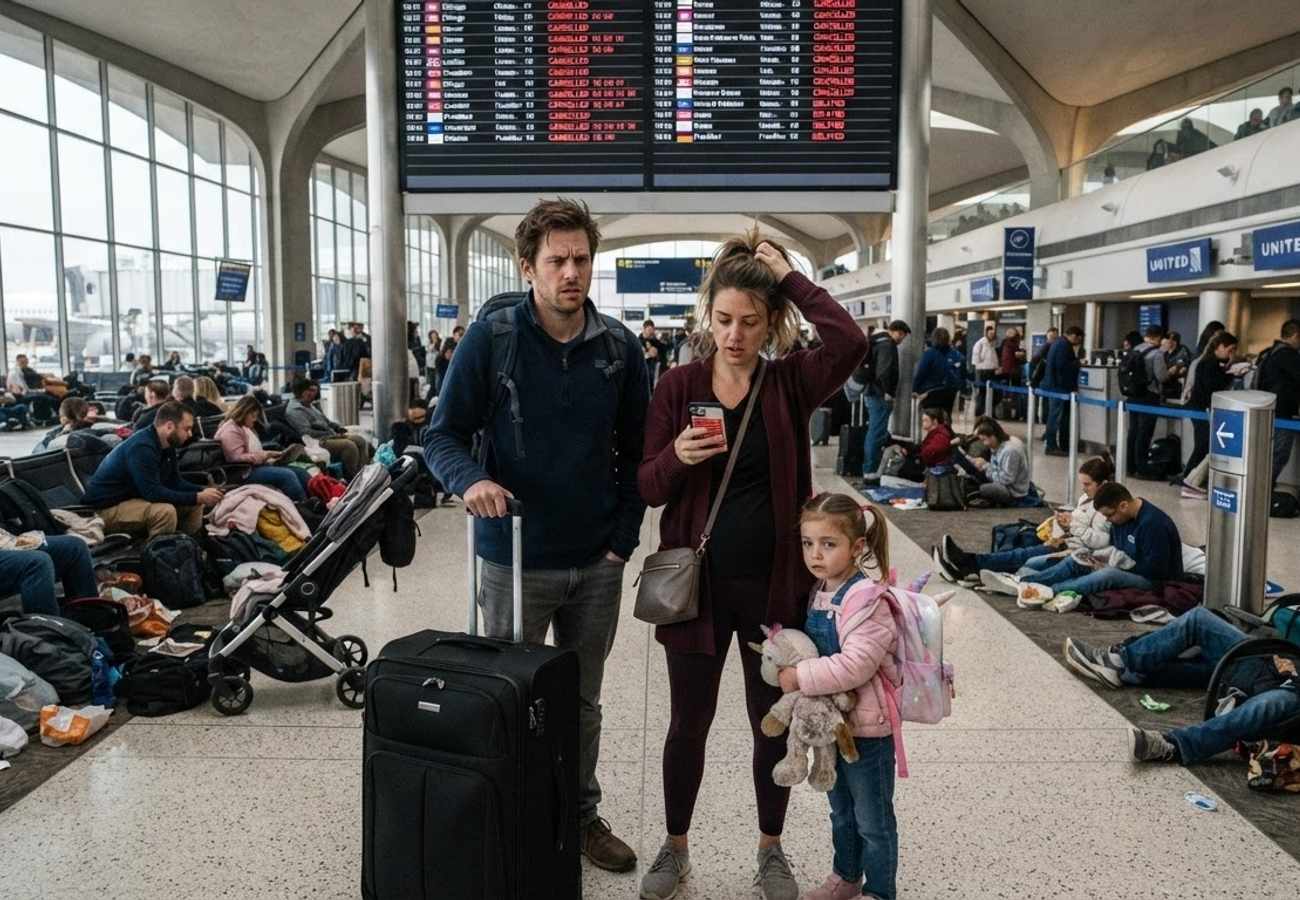
Image generated by AI
[Tampa, July 6, 2026] — Operational instability at Tampa International Airport has resulted in the suspension of seven flights and dozens of delays involving JetBlue, Delta Air Lines, and Southwest. These disruptions have severely impacted travel schedules for passengers bound for key domestic and international hubs, including Phoenix, Zurich, Miami, and Charlotte.
The sudden shift in flight availability has created a ripple effect across the aviation network, forcing thousands of travelers to navigate schedule changes and missed connections. While the number of total cancellations remains in the single digits, the sheer volume of delayed departures has strained airport operations and left leisure and business travelers facing significant uncertainty.
Widespread Network Disruptions Across Domestic and International Hubs
The operational failures at Tampa International Airport have not been isolated to a few local routes. Instead, the disruption has radiated across a massive geographic footprint, impacting connectivity between Florida and various global destinations.
Flight tracking data indicates that services were affected across a vast array of cities. In the United States, disruptions were noted for flights heading to and from major metropolitan areas such as New York City, Atlanta, Boston, Chicago, Dallas, Denver, Houston, and Washington, D.C. Mid-sized hubs and regional centers including Nashville, Birmingham, Hartford, Columbus, and Indianapolis also experienced irregularities.
The impact extended deep into the Caribbean and Europe. Key gateways such as Santo Domingo, Punta Cana, San Juan, and Montego Bay saw service interruptions. More notably, high-capacity international routes to Zurich and Frankfurt were affected, demonstrating that the operational challenges in Tampa can disrupt long-haul transatlantic travel.
Other impacted cities include:
- East Coast: Philadelphia, Baltimore, Raleigh, Providence, Newark, and Buffalo.
- South/Midwest: New Orleans, St. Louis, Minneapolis–Saint Paul, and Louisville.
- West Coast: Seattle and San Diego.
- Florida Local: Miami, Fort Lauderdale, Orlando, and Key West.
Detailed Breakdown of Airline Cancellations and Delays
While multiple carriers were involved, the burden of the disruption was not distributed evenly. JetBlue faced the highest number of total flight suspensions, while Southwest dealt with the most significant volume of delays.
The following data summarizes the operational impact on the three primary carriers involved:
| Airline | Cancelled Flights | Delayed Flights |
|---|---|---|
| JetBlue | 4 | 9 |
| Delta Air Lines | 2 | 14 |
| Southwest | 1 | 27 |
JetBlue acted as the primary driver of cancellations, scrubbing four flights from the schedule. Delta Air Lines followed with two suspensions, and Southwest cancelled one. However, the "delayed flights" column reveals a different story; Southwest passengers faced the brunt of the waiting game, with 27 flights recording delays, creating a bottleneck of passengers within the terminal.
These combined figures highlight a volatile environment where a small number of cancellations can be amplified by a high volume of delays, effectively paralyzing the movement of passengers toward critical destinations like Charlotte, Miami, and Phoenix.
Navigating Flight Cancellations and Passenger Rights
With the current volatility at Tampa International Airport, passengers are urged to take a proactive approach to their travel itineraries. Industry observers suggest that the window for rebooking is narrow during such disruptions.
Passengers who find their flights cancelled should first prioritize real-time communication. Airlines typically push notifications via mobile applications, SMS, and email. Checking these channels before approaching a gate agent can save hours of waiting in line.
For those seeking resolution, the following steps are recommended:
- Direct Communication: Use the airline's digital chat systems or mobile apps to bypass physical queues at the airport service desks.
- Verification of Rights: Travelers should review the specific "Contract of Carriage" for their airline. For those traveling to or from European destinations like Zurich, EU 261 regulations may provide significant compensation if the cancellation was within the airline's control.
- Alternative Logistics: If the airline cannot provide a suitable rebooking within a reasonable timeframe, passengers should investigate alternative transport, such as rail or bus services, or look for available seats on competing carriers.
Why This Matters: The Fragility of Hub Connectivity
The situation at Tampa International Airport serves as a case study in the "butterfly effect" of modern aviation. The suspension of only seven flights might seem negligible in the context of a global aviation network, but when those cancellations are paired with 50 combined delays, the systemic impact is profound.
This event underscores the fragility of hub-and-spoke networks. When a key origin point like Tampa experiences a glitch, it doesn't just affect the people in Florida; it creates a vacuum of available aircraft and crew in cities like Zurich and Phoenix. This leads to "downstream" delays, where a flight departing from Zurich may be delayed because the aircraft scheduled to fly that route was stuck in Tampa.
Furthermore, the disparity between cancellations and delays—specifically the high number of Southwest delays—suggests an operational bottleneck rather than a total system failure. This indicates that while the planes are available, the infrastructure or scheduling logic is struggling to keep pace with the disruption. For the travel industry, this highlights the urgent need for more robust contingency planning and better real-time communication tools to prevent terminal congestion during minor operational lapses.
Passengers are advised to maintain flexibility and monitor flight status continuously as airlines work to restore full operational capacity.
Related Travel Guides
Disclaimer
This article is for informational and educational purposes only. It does not constitute legal, financial, or professional advice. While we strive to provide accurate and up-to-date information, travel policies, regulations, and conditions change rapidly. Always verify information with official sources before making travel decisions. Nomad Lawyer makes no representations about the accuracy, reliability, completeness, or suitability of the information provided. Readers should consult qualified professionals for advice specific to their circumstances. The views expressed in this article are those of the author and do not necessarily reflect the views of Nomad Lawyer.
Kunal K Choudhary
Co-Founder & Contributor
A passionate traveller and tech enthusiast. Kunal contributes to the vision and growth of Nomad Lawyer, bringing fresh perspectives and driving the community forward.
Learn more about our team →