
AI Integration in Jammu and Kashmir Tourism: Legal Implications for Personalized Travel in 2026
Tourism experts and academics in Jammu discuss the role of AI in redesigning personalized travel experiences while balancing data privacy and cultural preservation.

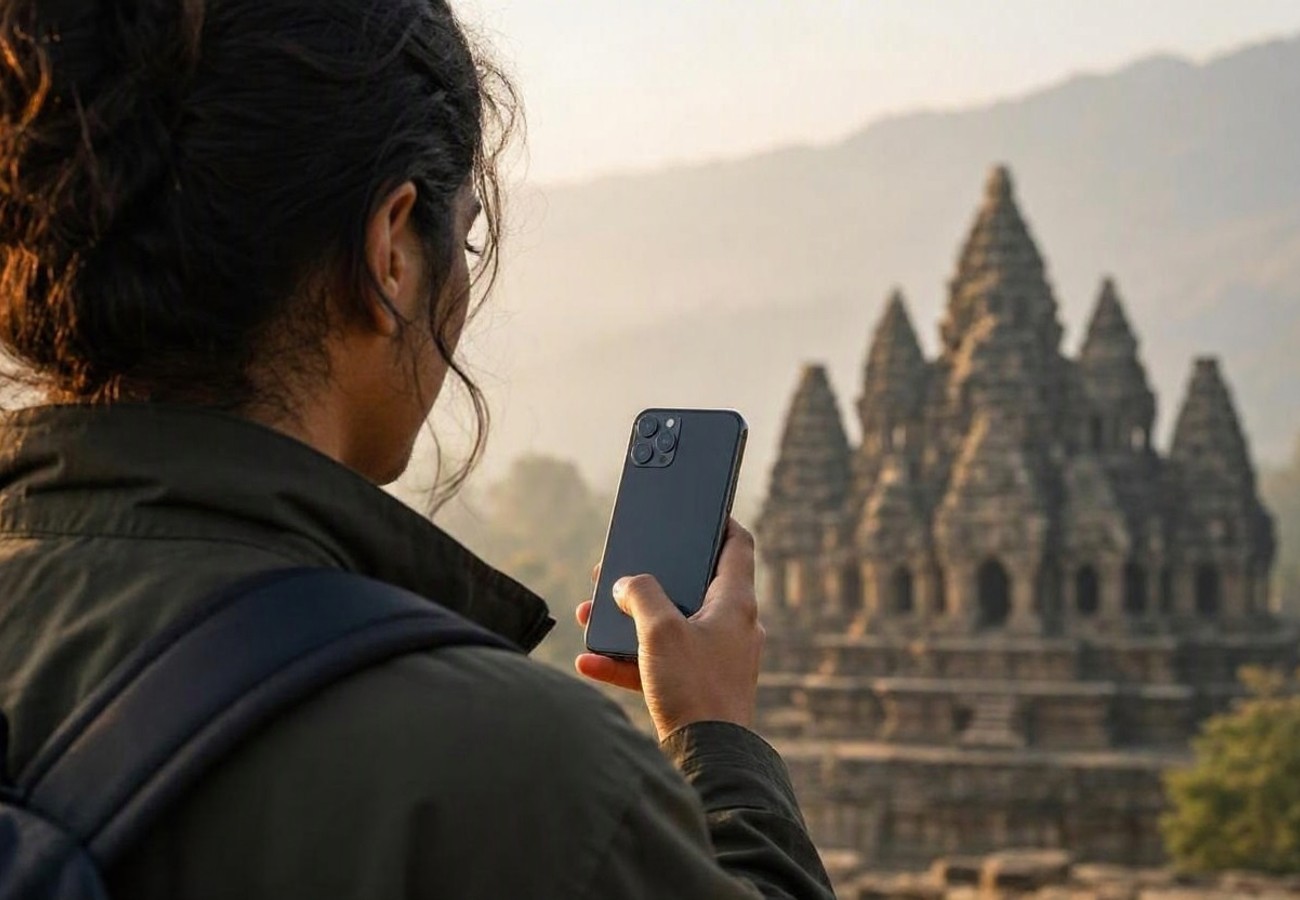
Image generated by AI
Imagine a traveler arriving in Jammu who receives a real-time, AI-curated itinerary that evolves based on their mood, local weather, and the hidden availability of a remote heritage site, all while ensuring their personal data remains encrypted and secure. This vision was the focal point of a high-level summit at the Central University of Jammu (CUJ), where the intersection of artificial intelligence and cultural authenticity was scrutinized.
The Digital Agenda: Redesigning Tourism in Jammu
To commemorate World Tourism Day 2026, the Department of Tourism and Travel Management within the School of Business Studies at CUJ hosted a strategic gathering of academia, government officials, and industry leaders. The core objective was to examine the "Digital Agenda and Artificial Intelligence to Redesign Tourism," specifically focusing on how the Jammu and Kashmir region can leverage technology to promote its landscapes and heritage without erasing the human element.
Aijaz Qiaser, Joint Director of the Directorate of Tourism, emphasized that AI is no longer a luxury but a tool for hyper-personalization. The goal is to move away from generic tour packages toward journeys that reflect the specific interests of the individual traveler. This shift is supported by the views of CUJ Registrar Prof Yashwant Singh, who categorized AI integration as a strategic necessity for the sector's survival and growth.
Strategic Framework for AI Implementation
The summit highlighted a tension between automation and authenticity. While AI can optimize destination management and promotion, the consensus among panelists—including representatives from the INTACH Jammu Chapter and local travel CEOs—was that technology must serve as a supplement to, not a replacement for, human storytelling.
| Focus Area | AI Application | Human/Cultural Counterbalance |
|---|---|---|
| Destination Promotion | Data-driven targeting and digital platforms | Local storytelling and oral histories |
| Travel Itineraries | Hyper-personalized, real-time adjustments | Expert local guides and cultural nuances |
| Heritage Conservation | Digital archiving and analytics | Physical preservation and craft displays |
| Visitor Experience | Smart tourism and automated logistics | Interaction with regional artisans |
The event also integrated tangible cultural expressions to ground the digital discussion. Participants viewed exhibitions of bamboo products from Okobambus Pvt. Ltd. and calico prints from Silpini, alongside folk dances and traditional attire, reminding stakeholders that the "product" being digitized is a living, breathing culture.
Your Rights as a Tech-Enabled Traveler
As tourism shifts toward AI-driven personalization, travelers must be aware of the legal frameworks governing their data. When an AI "personalizes" your trip, it is processing vast amounts of Personal Identifiable Information (PII).
If you are a resident of the EU or UK traveling to India, or if you are using a platform based in those regions, the General Data Protection Regulation (GDPR) and the UK Information Commissioner's Office (ICO) guidelines apply. You have the "Right to Explanation," meaning you can demand to know why an AI algorithm suggested a specific price or route.
In India, the Digital Personal Data Protection Act (DPDP) provides the primary framework. Travelers should ensure that any AI-driven travel app they use:
- Provides a clear, concise notice of what data is being collected.
- Obtains explicit consent before sharing data with third-party vendors (e.g., local hotels or transport providers).
- Offers a mechanism to withdraw consent and request data deletion.
Rebooking and Tech-Strategy for Modern Travelers
When utilizing AI-driven platforms for travel in emerging markets like Jammu and Kashmir, technical failures can lead to logistical disruptions. To mitigate this, adopt the following strategy:
1. The Hybrid Booking Approach Avoid relying solely on an AI concierge. Cross-reference AI suggestions with authoritative sources like the Jammu and Kashmir Tourism official portal to verify the operational status of heritage sites.
2. Data Redundancy Always maintain offline copies of AI-generated itineraries. In regions where connectivity may fluctuate, a cloud-based AI itinerary is a liability. Save PDFs or screenshots of your bookings and emergency contacts.
3. Refund and Dispute Resolution If an AI-driven platform erroneously books a non-existent service or fails to provide the promised "personalized" experience, your recourse depends on the Terms of Service (ToS). Check if the platform is a "marketplace" (connecting you to a provider) or a "service provider" (responsible for the delivery). For disputes involving US-based platforms, the US Department of Transportation (DOT) provides guidelines on consumer protections for travel services.
FAQ: AI in Tourism 2026
Will AI replace local travel guides in Jammu? No. The CUJ summit emphasized that AI should complement human knowledge. While AI handles logistics and data, local guides provide the cultural context and emotional storytelling that algorithms cannot replicate.
Is my data safe when using personalized AI travel apps? Safety depends on the app's compliance with laws like India's DPDP Act or the GDPR. Always check the privacy policy to see if your data is sold to third-party marketing firms.
How does AI actually "personalize" a trip? AI analyzes your past preferences, search history, and real-time data (like weather or traffic) to suggest destinations and activities that align with your specific interests rather than offering a standard package.
The future of travel lies not in the replacement of the human spirit by code, but in the use of code to lead us back to authentic human experiences.
Related Travel Guides
Disclaimer
This article is for informational and educational purposes only. It does not constitute legal, financial, or professional advice. While we strive to provide accurate and up-to-date information, travel policies, regulations, and conditions change rapidly. Always verify information with official sources before making travel decisions. Nomad Lawyer makes no representations about the accuracy, reliability, completeness, or suitability of the information provided. Readers should consult qualified professionals for advice specific to their circumstances. The views expressed in this article are those of the author and do not necessarily reflect the views of Nomad Lawyer.
Naina Thakur
Contributor & Travel Specialist
Travel enthusiast and legal writer covering visa regulations, responsible tourism, and cultural journeys across global destinations.
Learn more about our team →