
Switzerland Launches Hydrogen-Powered Saphir Ship to Drive Sustainable Tourism Growth in 2026
Switzerland enhances its sustainable tourism appeal with the launch of the Saphir, the country's first hydrogen-powered passenger ship on Lake Lucerne, targeting eco-conscious travelers from Germany, France, Italy, and Poland.

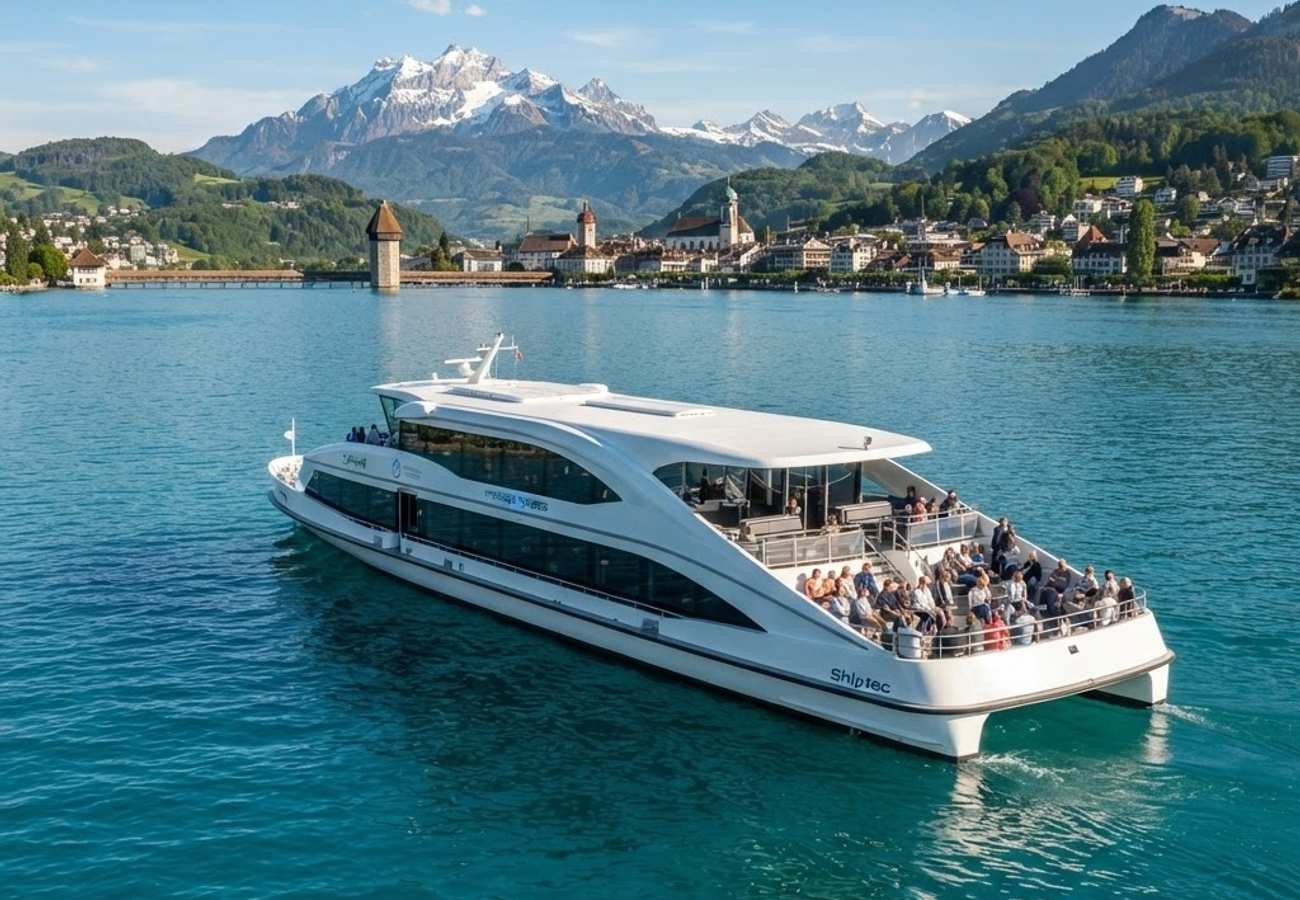
Image generated by AI
Switzerland is pivoting toward a zero-emission tourism model with the deployment of the Saphir, the nation's first hydrogen-powered passenger vessel. This innovation on Lake Lucerne is specifically designed to capture growing demand for sustainable travel from Germany, France, Italy, and Poland.
The conversion of the motor vessel Saphir marks a significant shift in Swiss lake transportation. By replacing three traditional diesel engines with a sophisticated hydrogen fuel cell and battery system, the vessel now operates on electricity. Despite the technological overhaul, the ship maintains a full passenger capacity of 300 people.
This transition is not merely an environmental upgrade but a strategic tourism asset. As international visitors increasingly prioritize nature-based and responsible travel, the Saphir provides a tangible "green mobility" experience that complements Switzerland's existing low-carbon rail network and luxury hospitality sector.
Core Specifications and Market Impact
The Saphir will primarily service the Lucerne–Kastanienbaum route, while also offering private charters and panoramic excursions. The project is a cornerstone of Switzerland's 2026 strategy to maintain its status as a premier European destination through high-quality, sustainable products.
Key Takeaways for the 2026 Season:
- Technological Shift: Transition from three diesel engines to a hydrogen fuel cell/battery hybrid.
- Capacity: 300 passengers per voyage.
- Primary Route: Lucerne–Kastanienbaum.
- Target Demographics: Eco-conscious travelers from Germany, France, Italy, and Poland.
- Strategic Goal: Integrating green mobility with traditional Alpine and lake tourism.
Sustainable Tourism Feature Analysis
| Switzerland Tourism Feature | Direct Impact on Visitors |
|---|---|
| Hydrogen-powered Saphir | Introduces a zero-emission green travel experience |
| Lake Lucerne cruises | Provides sustainable exploration of scenic waterways |
| Alpine landscapes | Drives nature and adventure-based tourism |
| Swiss rail network | Facilitates low-carbon transit between destinations |
| Luxury hospitality | Attracts high-spend, premium international travelers |
Market-Specific Drivers for Swiss Tourism
The appeal of the Saphir and Switzerland's broader green initiatives varies across its primary European source markets:
The German Market Germany remains a dominant source of visitors due to geographical proximity and a strong cultural preference for Alpine holidays. German travelers in 2026 are showing a marked preference for scenic rail journeys and environmentally responsible holidays, making the Saphir a primary attraction.
The French Market French visitors are increasingly drawn to the intersection of luxury hospitality and responsible mobility. For this segment, the Saphir represents a modern evolution of the traditional lake cruise, blending cultural exploration with innovative transport.
The Italian Market Italian tourism to Switzerland is driven by gastronomy, shopping, and short-break nature trips. The introduction of hydrogen infrastructure provides a distinctive technological draw that complements the region's natural beauty.
The Polish Market Poland is emerging as a high-growth market. Polish travelers are seeking premium, nature-centric European experiences, and the ability to combine traditional landscapes with cutting-edge green technology is a key differentiator for Switzerland.
Why This Matters: Industry Analysis
From a logistical and market perspective, the Saphir project is a bellwether for the wider European cruise and ferry industry. For travelers on this route, the real impact is the removal of diesel noise and emissions, which significantly enhances the "nature-based" experience of Lake Lucerne.
Our analysis suggests that Switzerland is successfully decoupling tourism growth from environmental degradation. By investing in hydrogen fuel cells rather than simple electrification (which can be limited by battery weight and charging times for larger vessels), Switzerland is positioning itself as a leader in maritime innovation. This creates a "halo effect" for the entire destination, attracting a higher-spending, eco-conscious demographic that is less price-sensitive and more loyalty-driven.
Forward Outlook
The success of the Saphir is likely to trigger a fleet-wide evaluation of diesel vessels across other Swiss lakes. We expect to see a phased rollout of similar hydrogen conversions in the coming years to meet the rising demand for carbon-neutral itineraries. As European travel regulations tighten regarding emissions in protected natural areas, Switzerland's early adoption of hydrogen technology provides a competitive moat against other Alpine destinations.
The shift to hydrogen marks the end of the diesel era for Swiss luxury lake travel.
Related Travel Guides
Disclaimer
This article is for informational and educational purposes only. It does not constitute legal, financial, or professional advice. While we strive to provide accurate and up-to-date information, travel policies, regulations, and conditions change rapidly. Always verify information with official sources before making travel decisions. Nomad Lawyer makes no representations about the accuracy, reliability, completeness, or suitability of the information provided. Readers should consult qualified professionals for advice specific to their circumstances. The views expressed in this article are those of the author and do not necessarily reflect the views of Nomad Lawyer.
Naina Thakur
Contributor & Travel Specialist
Travel enthusiast and legal writer covering visa regulations, responsible tourism, and cultural journeys across global destinations.
Learn more about our team →