
Kazakhstan and Russia Open Altai Border Corridor for Belukha Mountain Tourism Amid $200 Oil Shock and Strait of Hormuz Blockade: How US-Iran Conflict Pivots Central Asia to Low-Carbon Overland Travel
As the $200 oil crisis and Strait of Hormuz blockade impact global travel, Kazakhstan and Russia establish a simplified border agreement for Mount Belukha to drive regional eco-tourism.

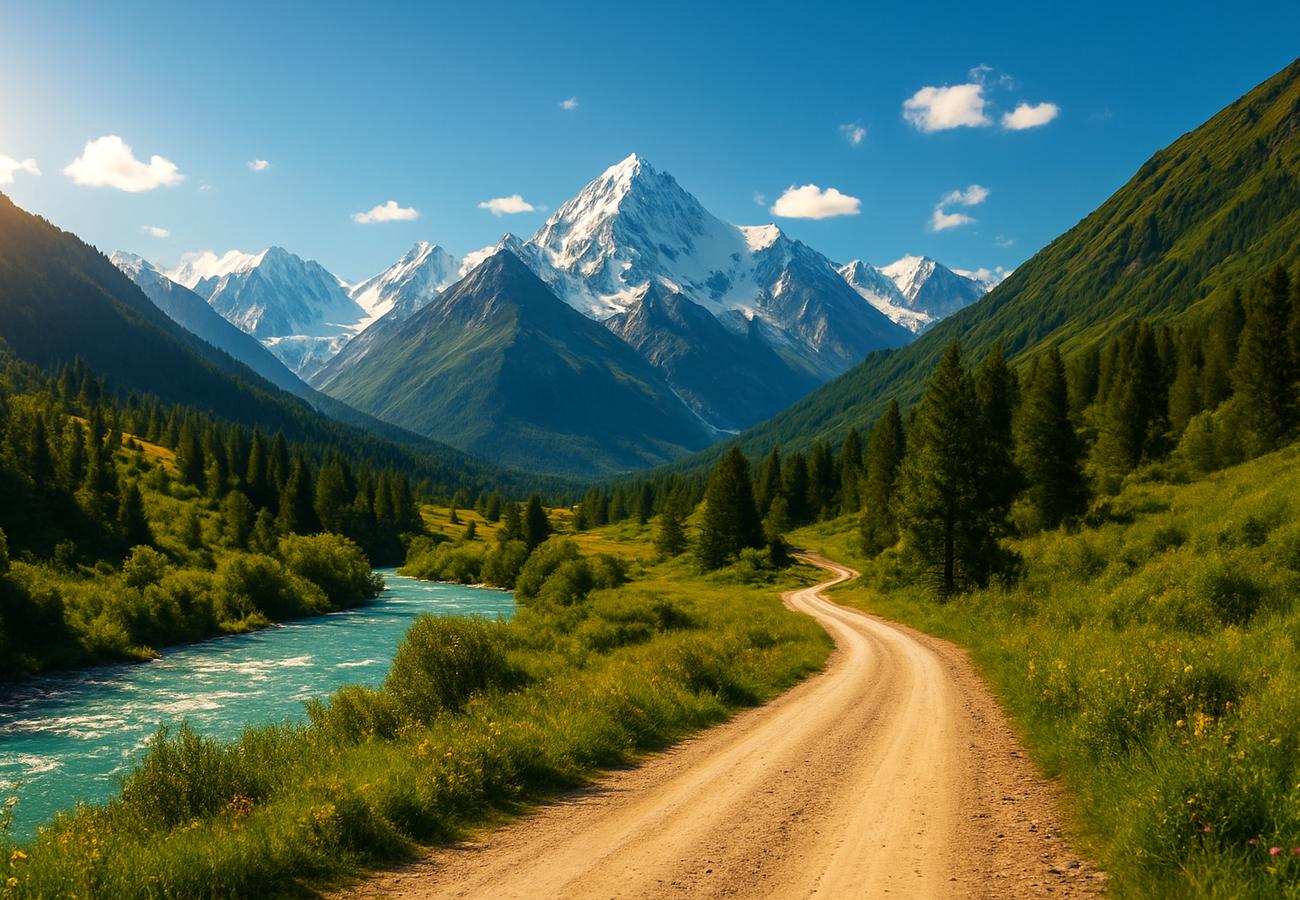
Image generated by AI
The global tourism economy is undergoing a major structural shift. Confronted by an unprecedented $200 per barrel oil shock and the military blockade of the Strait of Hormuz, Central Asian nations are moving quickly to build overland travel corridors.
In a historic move, Kazakhstan and Russia have finalized a landmark bilateral agreement to simplify border access, streamline visa procedures, and develop eco-tourism around Mount Belukha—the highest peak in the Altai Mountains. As the escalating US-Iran conflict drives international airfares to record-shattering heights and disrupts traditional travel routes, Astana is leveraging its massive $2.5 billion tourism investment to establish the Altai region as a secure, low-carbon overland travel destination. This strategic focus is designed to bypass the high-friction transport networks of the Middle East, where Gulf states like Saudi Arabia, the United Arab Emirates (UAE), and Qatar work to manage regional energy corridors.
Expanded Overview: Central Asian Eco-Tourism Rises Amidst Persian Gulf Gridlock
The ongoing global energy crisis has forced a complete reorganization of international trade and travel logistics. The naval blockade of the Strait of Hormuz—the world’s most critical maritime oil corridor, handling roughly 20% of global petroleum transit—has taken millions of barrels of oil off the market, sending fuel prices soaring.
For the international aviation and tourism sectors, this fuel crisis has led to significantly higher long-haul ticket prices and reduced flight capacities. However, rather than halting travel altogether, these economic challenges have caused travelers to choose stable, high-value alternative destinations close to home. Kazakhstan and Russia have capitalized on this trend. By simplifying border crossings and visa procedures for the pristine, UNESCO-listed Altai region, they are successfully creating a seamless, low-carbon overland travel corridor that attracts millions of nature enthusiasts, hikers, and adventure seekers from across Eurasia.
Geopolitical Context: Persian Gulf Volatility and the Shift to Overland corridors
The military standoff between the United States and Iran in the Persian Gulf has disrupted major trade corridors and airspace, keeping global energy markets highly volatile.
This conflict has directly impacted major Middle Eastern oil producers—including Saudi Arabia, the UAE, Qatar, Kuwait, Oman, and Bahrain—who are working hard to protect their energy supply lines and secure alternative shipping channels. In this climate of high volatility, Central Asia has positioned itself as a highly stable and welcoming alternative. By investing in regional transport infrastructure, modern hotels, and simplified customs clearance, Kazakhstan and Russia are offering a secure travel corridor that bypasses high-risk geopolitical areas, providing a model of regional travel resilience.
Global Energy Impact: Squeezed Airlines and the Rise of Low-Impact Wilderness Travel
With oil prices firmly established at $200 per barrel, airlines are under intense pressure to optimize their operations. Jet fuel costs have forced carriers to raise airfares, making long-distance flights a premium purchase and prompting travelers to choose regional destinations.
| Destination / Park | Annual Visitor Volume | Key Attractions & Growth |
|---|---|---|
| Mount Belukha (Altai) | Thousands of adventure tourists | Hiking, mountaineering, glaciers, and spiritual tours. |
| Burabay National Park | Over 1 Million Visitors | Pristine pine forests, scenic lakes, and family eco-resorts. |
| Charyn Canyon | Rapidly growing regional traffic | Dramatic desert geology and scenic river rafting. |
| Altyn-Emel National Park | Growing eco-tourism segment | Singing dunes, ancient petroglyphs, and rare wildlife. |
Supported by a $2.5 billion tourism investment program (backed by the United Nations Development Programme), Kazakhstan has recorded a notable 12% increase in international visitor arrivals in recent years, proving that nature-based, low-impact travel is a powerful defense against global economic volatility.
Shipping & Trade Impact: Land-Bridge Integration and Localized Sourcing
The ongoing Strait of Hormuz blockade has forced cargo fleets to bypass the Suez Canal and route around Africa’s Cape of Good Hope, sending maritime insurance rates soaring by over 500% and delaying global shipments of luxury resort supplies.
To bypass these supply chain bottlenecks, developers in Kazakhstan and Russia are focusing on localized sourcing. Tourism facilities around Mount Belukha and Burabay National Park are sourcing food, building materials, and handicrafts directly from local farmers and regional artisans. This focus on localized logistics has protected the country's hospitality industry from import inflation, keeping travel packages highly competitive while ensuring that tourism revenues remain directly within local communities.
Regional Impact: Strategic Trade and Tourism Connections in Eurasia
The prolonged energy crisis has also forced major Eurasian nations to strengthen their regional trade and tourism links:
- Sustaining Domestic and Cross-Border Flows: Facing high international travel costs, Russian and Kazakh travelers are increasingly choosing the Altai Mountains. This shared UNESCO World Heritage site offers exceptional biodiversity, ancient petroglyphs, and a unique culture that blends Russian, Kazakh, and Mongolian traditions.
- Astana’s Tourism Diversification: To reduce its dependency on fossil fuels, Kazakhstan is actively expanding its non-oil sectors. Capitalizing on the natural appeal of its national parks and hosting major industry events like the Kazakhstan International Tourism Exhibition (KITF 2026) are key elements of this long-term strategy.
- Infrastructure Upgrades: Both nations are actively investing in road networks, eco-lodges, and regional airports near the Altai range, ensuring that tourists have access to modern, comfortable facilities even in remote wilderness areas.
The Altai Border Agreement: Streamlining Mount Belukha Access in 2026
The planned bilateral agreement between Kazakhstan and Russia is designed to make the Mount Belukha region highly accessible and safe for international travelers through several key initiatives:
- Simplified Visa and Border Controls: Implementing convenient e-visa systems, reducing administrative paperwork, and creating dedicated tourist border checkpoints to ensure a seamless cross-border travel experience.
- Joint Marketing & Promotions: Launching collaborative marketing campaigns and partnerships between tour operators in both countries to promote Altai as a single, unified destination.
- Sustainable and Eco-Friendly Travel: Implementing strict eco-tourism guidelines, including responsible camping, waste management, and wildlife protection programs to preserve the fragile mountain ecology.
- Community and Cultural Engagement: Encouraging local indigenous groups to share their rich heritage, traditional music, and crafts with visitors, providing an important economic boost to rural mountain communities.
Industry Analysis: A Masterclass in Regional Travel Resilience
Eurasian travel and development economists emphasize that the Kazakhstan-Russia Altai agreement is a premier example of regional travel resilience during a global energy crisis.
By actively developing simplified border access, eco-friendly infrastructure, and localized supply chains, these nations have built a highly successful tourism model that thrives independently of expensive international flight networks, ensuring stable economic growth and high-quality visitor experiences.
What Happens Next: Future Scenarios and Travel Outlook
- Sustained Fuel Volatility: If Persian Gulf tensions remain high and oil prices stay at $200/bbl, the demand for regional, overland travel will continue to dominate. Kazakhstan's focus on national parks and low-impact eco-tourism will likely attract even more regional travelers.
- Diplomatic De-escalation: If international diplomatic efforts successfully resolve the US-Iran conflict and stabilize global fuel prices, the upgraded infrastructure, simplified borders, and sustainable partnerships developed during this crisis will continue to provide the Altai region with a massive competitive advantage.
Conclusion
The historic Altai border agreement between Kazakhstan and Russia represents a major milestone for the Central Asian travel industry. As the Strait of Hormuz blockade and $200 oil prices continue to disrupt traditional travel markets, these nations have shown that partnering for sustainable, low-carbon overland travel is the ultimate defense against global economic volatility. By investing in local communities, simplifying border crossings, and promoting eco-conscious tourism, Kazakhstan and Russia are successfully redefining the future of Eurasian travel, proving that regional cooperation and natural heritage are the ultimate keys to economic resilience.
Key Takeaways
- Strategic Border Deal: Kazakhstan and Russia finalized an agreement to simplify border crossings and visa requirements for Mount Belukha in the Altai Mountains.
- Overland Shift: The ongoing $200/bbl oil shock and Strait of Hormuz blockade have raised flight prices, driving a massive shift toward regional, land-based eco-tourism.
- Formidable Investment: Kazakhstan is executing a $2.5 billion UNDP-backed tourism program, driving a 12% surge in international visitor arrivals.
- Burabay Popularity: Natural attractions are thriving, with Burabay National Park welcoming over one million visitors annually.
- Eco-Friendly Focus: The bilateral agreement prioritizes sustainable travel, localized sourcing, and cultural engagement with local indigenous communities.
FAQ: Altai Mountains & Geopolitical Volatility 2026
How does the global energy crisis impact travel to Mount Belukha? While long-haul international flights are expensive due to the $200/bbl oil shock, Mount Belukha remains highly accessible and affordable through direct, regional land transport and overland travel networks.
Do I need a complex visa to visit the Altai region from Russia or Kazakhstan? No, the new bilateral agreement has streamlined and simplified visa requirements, introducing electronic visas (e-visas) and simplified border checkpoints for tourists.
What outdoor activities can I experience at Mount Belukha? Mount Belukha offers exceptional opportunities for trekking, mountaineering, glacier tours, wildlife viewing, and experiencing the unique Altai culture.
Related Travel Guides
Disclaimer
This article is for informational and educational purposes only. It does not constitute legal, financial, or professional advice. While we strive to provide accurate and up-to-date information, travel policies, regulations, and conditions change rapidly. Always verify information with official sources before making travel decisions. Nomad Lawyer makes no representations about the accuracy, reliability, completeness, or suitability of the information provided. Readers should consult qualified professionals for advice specific to their circumstances. The views expressed in this article are those of the author and do not necessarily reflect the views of Nomad Lawyer.
Kunal K Choudhary
Co-Founder & Contributor
A passionate traveller and tech enthusiast. Kunal contributes to the vision and growth of Nomad Lawyer, bringing fresh perspectives and driving the community forward.
Learn more about our team →