
Africa Tourism Leadership Forum 2026: Strategic Focus on Regional Connectivity
Analysis of the 8th Africa Tourism Leadership Forum in Polokwane. Explore intra-African flight data, South Africa tourism stats, and regional transit barriers.

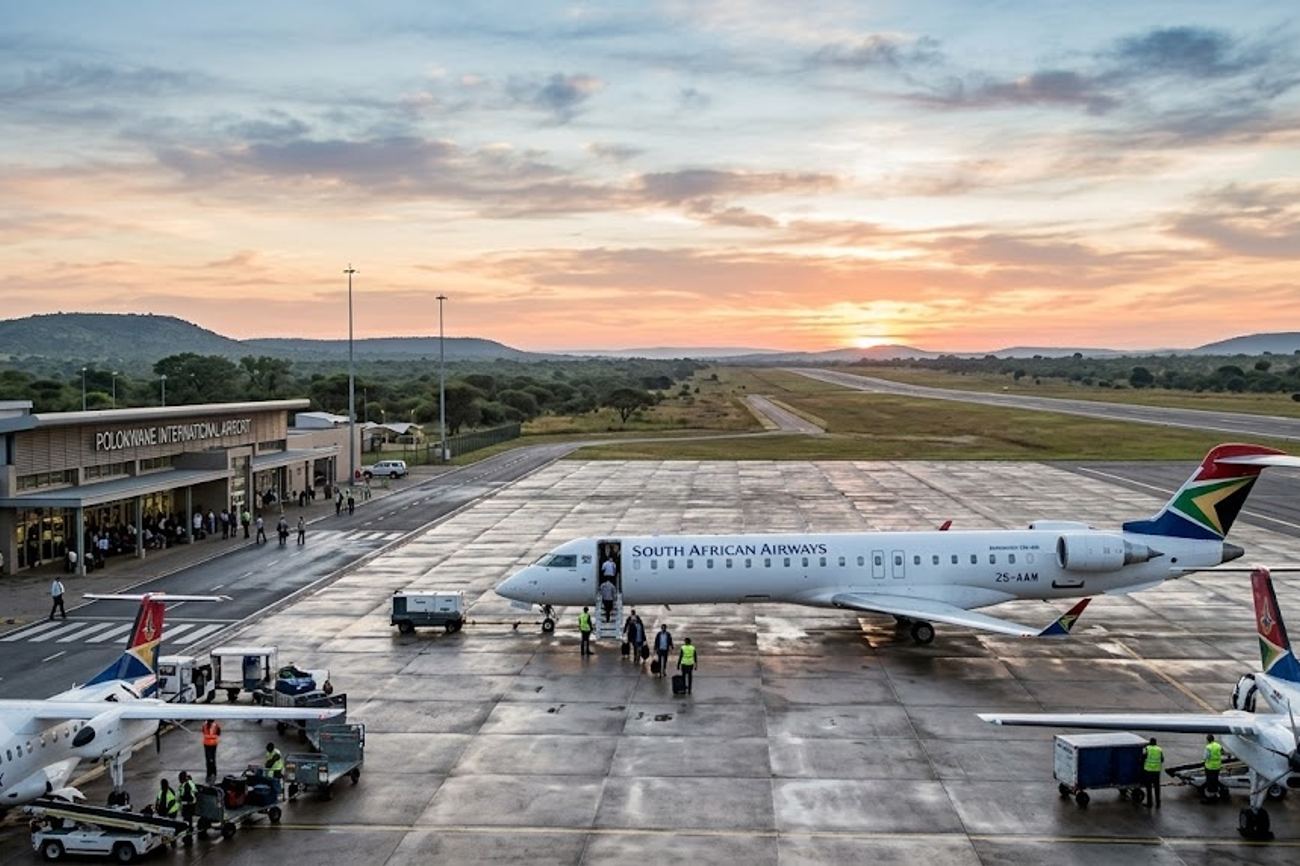
Image generated by AI
The 8th Africa Tourism Leadership Forum, held from September 2 to 4, 2026, in Polokwane, Limpopo, focused on the "Africa Connects" theme. The summit convened aviation stakeholders, policymakers, and investors to address systemic barriers to continental mobility. While the forum served as a strategic catalyst for future partnerships and a 2027 roadmap, it did not result in immediate regulatory changes to visa laws or the launch of new flight routes.
The Connectivity Gap and Operational Costs
A primary focus of the forum was the inefficiency of current aviation networks. Data indicates that only 19% of routes within Africa offer direct services, forcing 81% of passengers to utilize connecting hubs. This structural inefficiency increases transit times and elevates risks associated with baggage and layovers.
The high cost of regional travel is driven by significant operational overheads. Fuel prices for African carriers are 17% above the global average, while taxes and charges range between 12% and 15% higher than international benchmarks. Air navigation charges also remain approximately 10% higher, complicating the establishment of affordable regional networks.
South African Tourism Performance
Despite connectivity hurdles, South Africa continues to see robust growth in arrivals. In July 2026, the country recorded 991,696 international tourists, a 12.5% increase compared to July 2025.
From January to July 2026, total arrivals reached 6,576,169, representing a 12.4% year-on-year increase. Notably, arrivals from other African nations grew by 14.3%, outperforming overseas market growth (5.7%) by 8.6 percentage points.
Economic Impact (2024-2026):
- Employment: Tourism supported 954,000 direct jobs in 2024.
- GDP Contribution: The sector contributed 4.9% to South Africa's GDP in 2024.
- Revenue: Total industry income rose by 2.5% in May 2026, with accommodation income increasing by 2.2% year-on-year and 7.5% over the three months ending in May.
Transit and Visa Specifications
The forum addressed the "visa barrier," though no new national immigration laws were enacted. Current data shows that African citizens still require visas for approximately 45% of other African countries. While visa-free travel has increased from 20% in 2016 to 28% currently, 26 countries have adopted electronic visa (e-visa) systems to streamline entry.
Regional Transit Data Summary
| Parameter | Statistic / Value | Impact on Traveler |
|---|---|---|
| Direct Intra-African Routes | 19% | High reliance on hubs; longer travel times |
| Indirect Intra-African Routes | 81% | Increased transit risk and costs |
| Fuel Price Variance | +17% vs Global Avg | Upward pressure on ticket pricing |
| Taxes & Charges Variance | +12% to 15% | Higher ancillary costs per ticket |
| Air Navigation Charges | +10% | Increased operational costs for airlines |
| Visa-Free Travel (Intra-Africa) | 28% | Limited regional mobility |
| Visa-Required Travel (Intra-Africa) | 45% | Significant administrative barriers |
| Projected Passenger Growth | 4.1% annually | Potential market reach of 411M passengers |
Traveler Logistics Guide
From a ground-level perspective, navigating the current African transit landscape requires strategic planning due to the lack of direct connectivity.
1. Managing Indirect Connections Because 81% of routes are indirect, avoid "tight" connections. When booking through regional hubs (such as Johannesburg or Addis Ababa), allow a minimum of 4 hours for transit to account for potential delays in baggage transfer and security re-screening.
2. Visa and Digital Entry Since 26 countries now offer e-visas, verify requirements via the official Ministry of Foreign Affairs or National Immigration portal of the destination country at least 14 days before departure. Do not rely on third-party agencies for current visa-free status, as these regulations fluctuate.
3. Ground Transport in Emerging Hubs For events in secondary cities like Polokwane, secure accommodation and local transport in advance. The 2026 Forum demonstrated that high-profile events create immediate spikes in demand for local rooms and meals, often leading to price surges and limited availability.
Infrastructure Impact Assessment
The shift toward "strategic" rather than "regulatory" wins at the Polokwane Forum indicates that the immediate future of African travel will be defined by private-sector partnerships rather than sudden policy shifts. The projected growth to 411 million passengers suggests a massive opportunity for investment in secondary airport infrastructure. However, until the 17% fuel price premium and high navigation charges are addressed, ticket prices will likely remain volatile.
Related Travel Guides
Disclaimer
This article is for informational and educational purposes only. It does not constitute legal, financial, or professional advice. While we strive to provide accurate and up-to-date information, travel policies, regulations, and conditions change rapidly. Always verify information with official sources before making travel decisions. Nomad Lawyer makes no representations about the accuracy, reliability, completeness, or suitability of the information provided. Readers should consult qualified professionals for advice specific to their circumstances. The views expressed in this article are those of the author and do not necessarily reflect the views of Nomad Lawyer.
Kunal K Choudhary
Co-Founder & Contributor
A passionate traveller and tech enthusiast. Kunal contributes to the vision and growth of Nomad Lawyer, bringing fresh perspectives and driving the community forward.
Learn more about our team →