
Airlines Combat Unjustified Flight Cancellations and Travel Chaos as Ebola Fears Trigger Unnecessary Airport Disruptions in Africa: Latest Airline News
As disproportionate global fear regarding localized Ebola outbreaks triggers massive flight cancellations, African aviation hubs deploy strict screening to combat travel chaos.

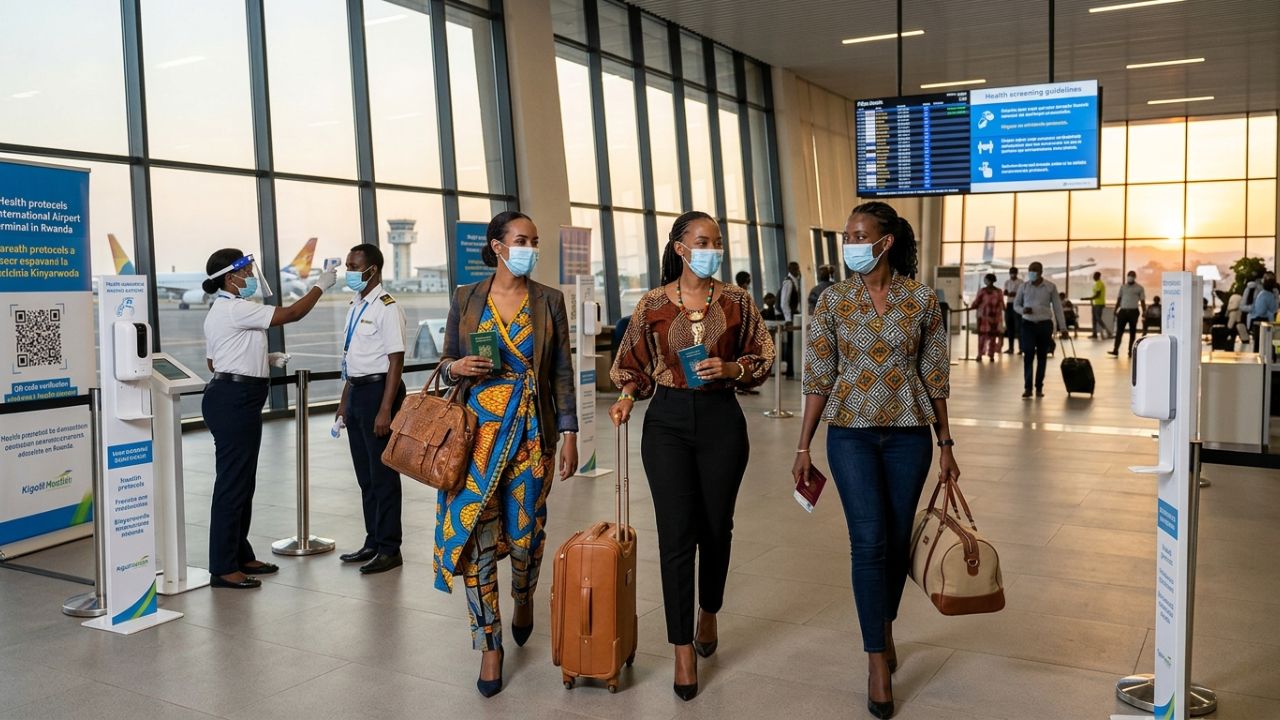
Image generated by AI
In a massive struggle to maintain international connectivity and prevent catastrophic travel chaos across the African continent, global airlines and regional aviation authorities are actively combating a devastating wave of unjustified flight cancellations. Reported on June 19, 2026, severe and highly localized Ebola outbreaks in the eastern Democratic Republic of the Congo (DRC) and specific parts of Uganda have triggered widespread global panic. However, industry experts are aggressively pushing back against broad, sweeping narratives that inaccurately label the entire continent as unsafe. By rapidly deploying stringent health screening protocols at major aviation checkpoints to prevent localized airport disruptions, the global travel industry is fighting to distinguish localized health events from the safe, operational status of neighboring countries. This crucial battle to protect vital air corridors and tourism revenues from disproportionate international fear is rapidly dominating today's most crucial headline in breaking airline news and essential global aviation updates.
By introducing direct passenger coordination and dynamic scheduling backups, the regional aviation hubs target growing passenger demand across vital commerce sectors. The choice to coordinate flight departures in phases helps to manage gate capacity, supporting the country's broader regional transportation network.
Context: The Threat of Disproportionate Cancellations
For the global tourism and African aviation industry, the rapid spread of misinformation regarding the Ebola outbreak is a far more immediate threat to operational stability than the virus itself.
Historically, the travel industry relies on hyper-reactive booking algorithms. When global headlines aggressively group neighboring nations together, passengers panic. This causes an immediate, massive surge in unjustified flight cancellations to completely safe, unaffected nations. According to the U.S. Centers for Disease Control and Prevention (CDC), the Ebola virus is a serious illness—characterized by high fever, vomiting, and intense muscle pain—that spreads strictly through direct contact with bodily fluids; it is definitively not an airborne disease. While containment remains a localized challenge in the eastern DRC, the reality in neighboring countries is entirely different. Nations like Uganda possess well-established, highly rigorous systems for screening and contact tracing due to past public health efforts. Yet, because the perception of danger travels faster than the virus, airlines are suffering a noticeable decline in load factors, plunging local communities into an economic crisis during peak season traffic.
To view live flight schedules, verify the active health clearance status of your specific African itinerary, or to track potential route suspensions, travelers must consult official aviation directories. For direct updates regarding how this public health perception impacts current flight cancellations out of major hubs, travelers should aggressively utilize the official portals of their operating airlines. To explore live flight tracking and monitor the exact severity of the cascading bottlenecks across competitor hubs navigating these health protocols, passengers can consult the official FlightAware tracking service.
Section-Wise Breakdown: Screening and Safe Corridors
The Entebbe Hub Health Protocols
To actively reassure the international community and prevent massive airport disruptions, major transit hubs have immediately implemented ground-level health protocols. At Entebbe International Airport in Uganda—which currently faces heightened international scrutiny—travelers now encounter stringent procedures upon arrival. Aviation authorities rely heavily on digital health forms to collect travel histories and accommodation details. Crucially, QR code verification and mandatory temperature screenings are now standard, non-negotiable parts of the airport's monitoring strategy, ensuring that high-risk individuals are instantly isolated before they can trigger broader travel chaos.
Unaffected Corridors: Kenya, Rwanda, Tanzania
The most critical failure of the global media is the refusal to distinguish the actual epicenter from entirely safe, highly lucrative tourism corridors. While the eastern DRC remains the focal point, the situation in countries like Kenya, Rwanda, and Tanzania remains distinctly safe. Rwanda, for example, has remained completely free of the virus and maintains remarkably clear, robust border policies. Airlines continue to operate full schedules into Kigali, Nairobi, and Dar es Salaam, maintaining robust health surveillance while fully operating their vital tourism sectors without interruption.
Wildlife and Lodge Protocols
The aviation and tourism industries have flawlessly extended these robust health measures deep into the remote operational zones. Throughout the region, extreme visibility of health measures is maintained. Hand-washing stations and sanitizers are mandatory at the entrances of lodges, hotels, and visitor centers. While masks are not widely required for the general public, they remain a strict, non-negotiable standard requirement for any interactions with great apes. This protocol actively protects mountain gorillas and chimpanzees from human-borne illnesses, allowing high-yield wildlife tracking to continue safely.
Technical Roster: Ebola Aviation Safety Data
To ensure absolute factual accuracy regarding the specific outbreak epicenter, the stringent airport screening methods, and the verified safe transit corridors, the following matrix details the crucial operational data:
Ebola Aviation and Travel Safety Matrix
| Safety Parameter | Verified Status & Protocol |
|---|---|
| Outbreak Epicenter | Eastern Democratic Republic of the Congo (DRC) |
| Heavily Monitored Hub | Entebbe International Airport (Uganda) |
| Safe & Unaffected Regions | Kenya, Rwanda, Tanzania |
| Airport Screening Protocols | QR Code Verification & Temperature Screenings |
| CDC Transmission Facts | Direct Contact with Bodily Fluids (Not Airborne) |
| Wildlife Tracking Protocol | Masks Required for Great Ape Tracking |
Data accurately reflects the strict, localized health protocols deployed across East African aviation hubs to prevent unjustified flight cancellations and protect the region's vital tourism corridors.
Passenger Impact: The Cost of Generalized Fear
For the thousands of international travelers preparing for peak-season African itineraries, yielding to generalized fear rather than analyzing specific localized data directly results in massive financial losses and unnecessary travel chaos.
The immediate passenger impact of this media-induced panic is the massive wave of voluntary, non-refundable flight cancellations. When a traveler cancels a flight to a completely unaffected hub like Nairobi simply because of an outbreak in the eastern DRC, airlines frequently refuse to issue full cash refunds, correctly classifying the cancellation as a voluntary choice rather than an operational failure. This costs the traveler thousands of dollars in lost premium airfares and non-refundable safari lodge deposits. Furthermore, this broad hesitation destroys the local economy. Tourism serves as a vital economic engine for protected areas; a downturn in arrivals directly threatens the livelihoods of guides, drivers, and hospitality workers, severely underfunding the very conservation programs that rely on visitor revenue to protect these unique ecosystems.
Industry Analysis: Data-Driven Travel Decisions
Aviation and public health analysts view the current wave of flight cancellations as a severe failure of international risk assessment, emphasizing that generalized fear is causing disproportionate economic damage to safe aviation hubs.
Analysts stress that the decision to travel must be guided by highly specific official health advisories, not broad global headlines. Many of the most popular tourism destinations in Uganda are situated hundreds of kilometers away from any affected zones, positioning visitors in exceptionally low-risk environments. The existing infrastructure for health monitoring across East Africa is robust and battle-tested. Industry experts argue that while any public health incident must be approached with utmost seriousness, the massive international reaction—resulting in quiet trekking sites and empty airport terminals—is completely disproportionate to the actual risk posed to a standard international tourist.
Actionable Advice for Navigating African Aviation
Because passengers cannot control global media narratives or the deployment of airport temperature screenings, you must execute this strategic survival checklist to confidently navigate your African itinerary without succumbing to unnecessary travel chaos:
- Verify Geographic Distances: Before you panic and cancel a $10,000 itinerary, look at a map. Africa is a massive continent. If you are booked to fly into Kigali (Rwanda) or Kilimanjaro (Tanzania), you are hundreds of miles away from the eastern DRC epicenter. Do not voluntarily cancel flights to safe, unaffected countries, as travel insurance will not reimburse you for general "fear of travel."
- Prepare for the Entebbe Arrival: If your itinerary requires a transit through Entebbe International Airport in Uganda, anticipate minor airport disruptions. Have your digital health forms completed perfectly in advance, ensure your QR codes are screenshotted and ready for inspection, and expect mandatory temperature screenings. Total compliance ensures you bypass the congested isolation lines.
- Audit Home Country Re-Entry Rules: The greatest risk of travel chaos is not the destination, but your return home. Actively monitor the specific requirements for entry and return imposed by your home country. If your home nation suddenly mandates a 14-day quarantine for anyone transiting through Uganda, you must proactively request an airline reroute through an unaffected hub like Addis Ababa or Nairobi to protect your post-vacation schedule.
FAQ: African Aviation and Ebola Outbreak
Is it safe to fly into East Africa right now?
Yes. While the eastern DRC is managing a localized Ebola outbreak, the vast majority of East Africa, including major tourism hubs in Kenya, Rwanda, and Tanzania, remains completely safe and unaffected by the virus.
What screening protocols will I face at Entebbe Airport?
Travelers arriving in Uganda will encounter stringent health procedures, including mandatory digital health forms, QR code verification, and strict temperature screenings to actively monitor the public health situation.
Will airlines refund my ticket if I cancel due to Ebola fears?
Generally, no. If you voluntarily cancel a flight to an unaffected or low-risk country, airlines will enforce standard cancellation penalties, as generalized fear does not legally qualify for emergency cash refunds.
The Reality of Navigating Global Health Perceptions
The massive pushback by airlines and African tourism boards against unjustified flight cancellations proves definitively that the modern travel industry is highly vulnerable to the rapid spread of generalized fear. By executing robust health screenings at hubs like Entebbe and fiercely protecting safe corridors in Kenya and Rwanda, aviation authorities are successfully future-proofing their networks against the sudden airport disruptions that accompany global panic. Yet, as travelers nervously monitor international headlines regarding localized outbreaks, they must accept a critical new reality: securing a confident, stress-free journey requires aggressively filtering out broad media generalizations, heavily relying on specific CDC data and geographic realities, and maintaining the tactical awareness to proceed with safe itineraries when the rest of the world succumbs to travel chaos.
Key Takeaways
- Combating Unjustified Cancellations: Airlines are fighting to prevent massive travel chaos by proving that major East African aviation hubs remain entirely safe.
- The True Epicenter: The current Ebola outbreak is heavily localized within the eastern Democratic Republic of the Congo (DRC) and specific zones in Uganda.
- Unaffected Safe Corridors: Nations like Kenya, Rwanda, and Tanzania remain completely free of the virus, with airlines maintaining full, robust flight schedules.
- Entebbe Screening Protocols: Uganda’s Entebbe International Airport has deployed mandatory digital health forms, QR code verification, and strict temperature screenings.
- CDC Transmission Reality: The virus spreads strictly through direct contact with bodily fluids and is not airborne, making standard tourism in safe zones an exceptionally low-risk activity.
Related Travel Guides
Massive Travel Chaos Paralyzes Chicago O'Hare with 1,425 Disruptions
Disclaimer
This article is for informational and educational purposes only. It does not constitute legal, financial, or professional advice. While we strive to provide accurate and up-to-date information, travel policies, regulations, and conditions change rapidly. Always verify information with official sources before making travel decisions. Nomad Lawyer makes no representations about the accuracy, reliability, completeness, or suitability of the information provided. Readers should consult qualified professionals for advice specific to their circumstances. The views expressed in this article are those of the author and do not necessarily reflect the views of Nomad Lawyer.
Kunal K Choudhary
Co-Founder & Contributor
A passionate traveller and tech enthusiast. Kunal contributes to the vision and growth of Nomad Lawyer, bringing fresh perspectives and driving the community forward.
Learn more about our team →