
ADAS Technology Transforms Global Travel Safety by 2035
Advanced driver assistance systems are revolutionizing road travel safety for international tourists. By 2035, ADAS features will become standard in passenger vehicles worldwide, reshaping how travelers experience mobility.

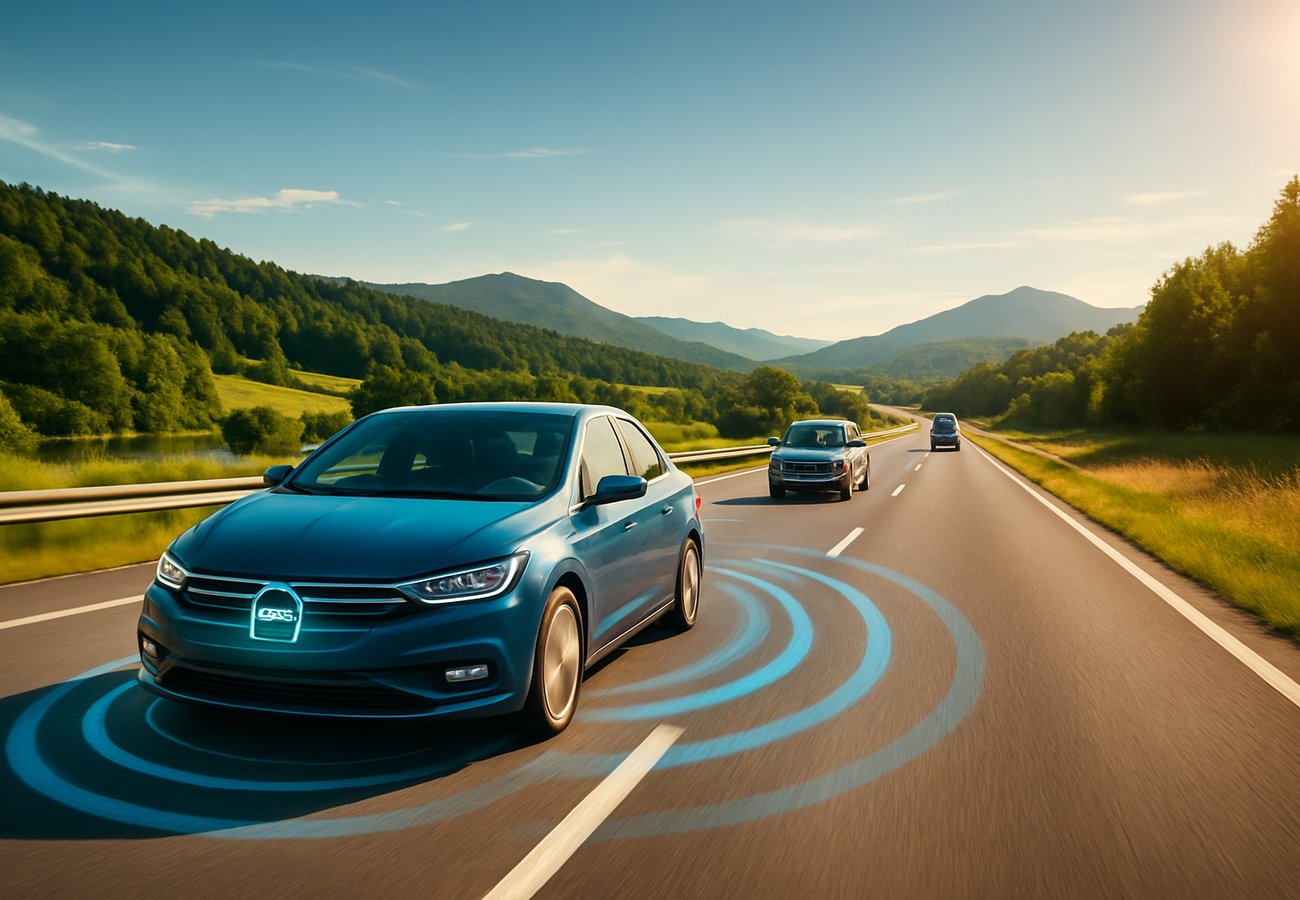
Image generated by AI
The Silent Revolution Reshaping Road Travel
The global travel industry is experiencing a seismic shift. Advanced driver assistance systems (ADAS) are no longer luxury add-ons—they're becoming the backbone of how millions of tourists navigate unfamiliar roads across continents. By 2035, passenger vehicles equipped with intelligent safety systems will be the norm, not the exception.
What does this mean for you as a traveler? Everything.
Why Road Safety Has Become Tourism's Critical Frontier
Road travel dominates international tourism. Whether it's a coastal highway in Portugal, mountain routes through Switzerland, or cross-country journeys in the American Southwest, travelers depend on rental cars and ride-sharing services for exploration and freedom.
But here's the problem: unfamiliar roads, inconsistent traffic rules, and unpredictable local driving habits create genuine safety risks. For international visitors, the learning curve can be steep—and sometimes dangerous.
Reddit: "Renting a car in Southeast Asia was terrifying until I got a vehicle with lane-keeping assist. That one feature saved me multiple times." — r/travel
This gap between tourist confidence and actual road conditions is where ADAS technology intervenes. Automatic emergency braking, lane-keeping support, blind-spot monitoring, and adaptive cruise control work in concert to reduce human error—the leading cause of road accidents globally.
The Technology That's Actually Saving Lives
At the heart of this transformation is sensor fusion technology. Modern vehicles now integrate cameras, radar, and ultrasonic sensors to create a real-time understanding of their driving environment.
Think of it as giving your rental car superhuman perception. These sensors detect obstacles, monitor traffic flow, and identify road hazards with millisecond precision. During unexpected situations—a child running into the street, a sudden lane closure, aggressive tailgating—the vehicle reacts faster than any human driver could.
For tourists navigating Bangkok's chaotic traffic or the narrow Amalfi Coast roads, this technology provides genuine protection. It reduces stress for drivers unfamiliar with local driving patterns and significantly improves reaction times.
The multi-layered sensing approach transforms tourism mobility from being dependent on driver experience alone into a more reliable, technology-supported system.
Government Mandates Are Forcing the Hand of Manufacturers
Governments across major regions aren't waiting for manufacturers to voluntarily adopt safety systems. They're mandating it.
Regulatory programs like safety rating systems and mandatory vehicle safety standards are actively encouraging—and requiring—manufacturers to integrate ADAS features. In many countries, safety assessment programs now directly influence consumer demand. Vehicles with higher safety ratings command premium prices both in private sales and rental fleets.
Here's the crucial shift: these regulations are no longer limited to luxury vehicles. Mid-range and budget-friendly cars are increasingly equipped with basic driver assistance systems. This policy democratization means tourists renting economy cars from Hertz, Avis, or local providers across Europe, Asia, and North America now have access to safety technology that was reserved for premium vehicles just five years ago.
For international travelers dependent on rental cars and ride-sharing services during tourism, this is transformative.
How ADAS Is Reshaping the Tourism Experience
The integration of ADAS technology is fundamentally changing how people experience road travel. Longer journeys no longer demand the same level of stress and exhaustion.
Key benefits for travelers include:
- Smoother highway driving with adaptive cruise control maintaining safe distances
- Safer overtaking assistance in unfamiliar traffic patterns
- Enhanced parking support in crowded tourist areas
- Improved navigation confidence in regions where road infrastructure differs from home countries
Popular tourist destinations with heavy congestion—Barcelona, Tokyo, Miami, Dubai—are seeing measurable improvements in road safety outcomes. Automated collision prevention systems and real-time alerts reduce accidents among the high volume of international drivers unfamiliar with local conditions.
This safety improvement isn't just about statistics. It's about psychological freedom. Tourists can focus on experiencing destinations rather than white-knuckling through traffic.
The Smart Mobility Fleet Revolution
Car rental companies and mobility service providers have recognized the competitive advantage. They're rapidly upgrading fleets with ADAS-equipped vehicles.
Modern rental cars now feature collision warning systems, lane assistance, fatigue detection alerts, and automated parking support. For international travelers navigating unfamiliar traffic systems, this technology reduces the dependency on local driving knowledge and dramatically enhances safety confidence.
Ride-hailing platforms are integrating advanced safety features into their services, making urban tourism safer and more efficient. In cities like Singapore, Dubai, and Amsterdam, these intelligent vehicles are becoming the default option for tourists avoiding the complexity of driving in unfamiliar environments.
The Economics: Why ADAS Is Becoming Affordable
The expansion of ADAS technology is supported by falling hardware costs and exponentially improving software capabilities. Camera-based systems have become dramatically more affordable, enabling adoption across vehicle categories.
Simultaneously, radar and LiDAR technologies are becoming more precise and accessible. Cloud-based software updates allow vehicles to continuously enhance performance even after purchase—your rental car gets smarter the longer you drive it.
This technological democratization ensures that safety systems remain current with changing road conditions and evolving traffic patterns.
The Road Ahead: 2035 and Beyond
By 2035, the automotive landscape will be unrecognizable compared to today. Many vehicles will operate with semi-autonomous capabilities. While full automation is still developing, partial automation will dramatically reduce driving stress for international travelers.
For tourists, this translates to:
- Easier long-distance travel across multiple countries
- Improved comfort during extended highway journeys
- Safer cross-border road trips without dependency on driver experience alone
- Reduced fatigue-related accidents on overnight drives
Governments are simultaneously investing in smart infrastructure—connected traffic systems and intelligent road networks that enable vehicle-to-infrastructure communication. These developments will create an ecosystem where your vehicle communicates with traffic signals, road conditions, and other vehicles in real time.
As transportation becomes more intelligent and interconnected, global tourism is expected to become dramatically more accessible and safer for all age groups—from elderly travelers exploring Europe to families on their first international road trip.
A Watershed Moment for Travel Safety
The evolution of advanced driver assistance systems represents a watershed moment in global travel safety. What was once a premium feature available only in luxury vehicles has transformed into a standard expectation in modern cars.
For international travelers, this means greater confidence, reduced risk, and improved comfort on roads from New Zealand to Norway. With continued innovation and regulatory support across major regions, the future of travel is moving decisively toward a safer and smarter mobility ecosystem.
The global ADAS automotive safety technology revolution isn't just transforming vehicles—it's fundamentally reshaping how 1.4 billion international tourists move through the world each year.
The future of travel is intelligent, and it's already here.
Related Travel Guides
Etihad Airways Revives Grounded A380 Superjumbos as Aviation Industry Faces Critical Capacity Crisis
Lufthansa Slashes 23 International Routes in Major European Network Overhaul
Disclaimer
This article is for informational and educational purposes only. It does not constitute legal, financial, or professional advice. While we strive to provide accurate and up-to-date information, travel policies, regulations, and conditions change rapidly. Always verify information with official sources before making travel decisions. Nomad Lawyer makes no representations about the accuracy, reliability, completeness, or suitability of the information provided. Readers should consult qualified professionals for advice specific to their circumstances. The views expressed in this article are those of the author and do not necessarily reflect the views of Nomad Lawyer.
Kunal K Choudhary
Co-Founder & Contributor
A passionate traveller and tech enthusiast. Kunal contributes to the vision and growth of Nomad Lawyer, bringing fresh perspectives and driving the community forward.
Learn more about our team →