
Etihad Airways Revives Grounded A380 Superjumbos as Aviation Industry Faces Critical Capacity Crisis
Breaking airline news and aviation industry updates for 2026.

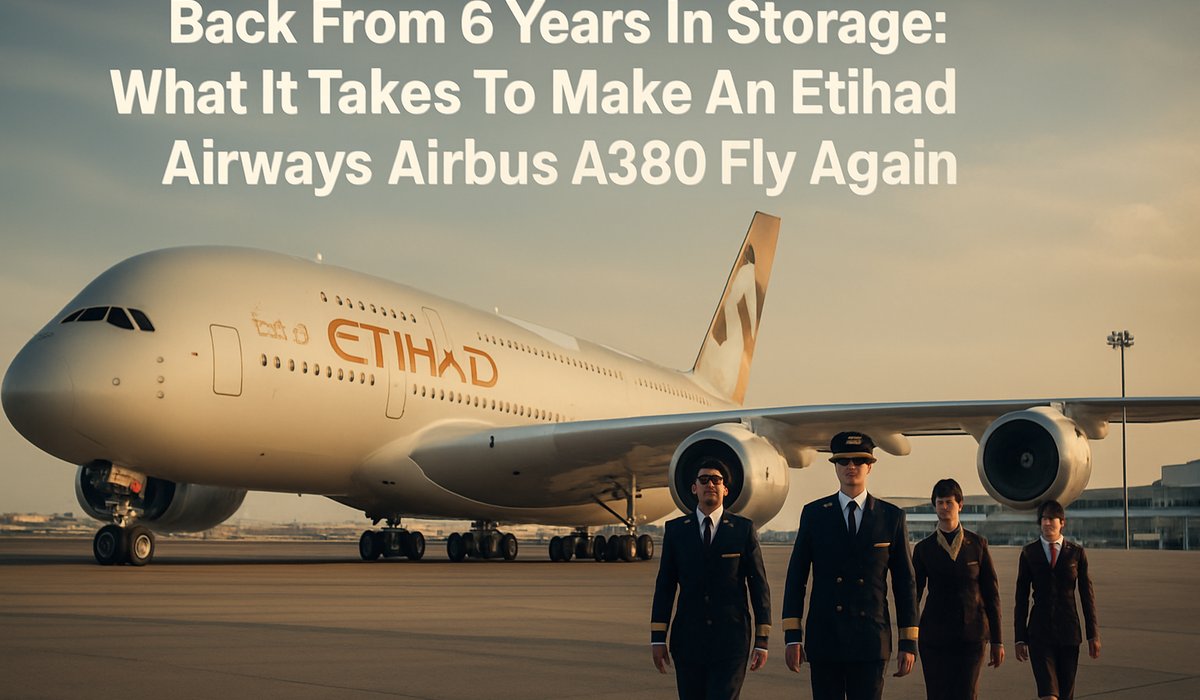
Image generated by AI
Etihad Airways Revives Grounded A380 Superjumbos as Aviation Industry Faces Critical Capacity Crisis
After six years in storage, the carrier prepares two Airbus giants for commercial operations—signaling desperation in the global aircraft shortage
The Resurrection Challenge
Etihad Airways is mobilizing significant resources to return two Airbus A380 aircraft from extended storage to active commercial service, a move that underscores the acute capacity constraints gripping global aviation. The two superjumbos—registered as A6-APC and A6-APB—have sat idle for nearly six years, and bringing them back online demands far more than simply powering up engines and taking flight.
The reactivation process represents an intricate engineering undertaking spanning multiple months. Airlines must conduct exhaustive structural examinations, comprehensive avionics software overhauls, meticulous engine preservation reviews, and rigorous test flights before any single passenger sets foot aboard these massive double-deck aircraft.
What It Really Takes to Reactivate a Superjumbo
The logistics of resurrecting a long-dormant A380 involve specialized technical protocols that extend well beyond routine maintenance checks. Engineers must inspect composite materials for degradation, verify the integrity of hydraulic and electrical systems, recalibrate pressurization equipment, and validate modern navigation standards. Engine preservation work—critical after years of atmospheric exposure—requires dismantling, cleaning, and reassembly of turbine components.
Software systems demand complete modernization to align with current international aviation standards. Flight control systems, passenger information displays, and communications equipment all require validation and recertification. Only after these multifaceted procedures can aircraft undergo extensive test flights to confirm airworthiness.
What This Signals About Aviation's Supply Crunch
The decision to resurrect dormant superjumbos reveals the depth of aircraft shortages constraining global carriers. Typically, airlines resort to reactivating stored aircraft only when new aircraft deliveries lag behind demand—a scenario currently playing out across the industry.
Boeing and Airbus production backlogs, compounded by supply chain disruptions and certification delays, have left carriers scrambling to meet passenger demand. Fuel price volatility and the post-pandemic travel surge have intensified pressure to maximize fleet capacity. Some airlines are deferring retirements of older aircraft, while others—like Etihad—are recovering parked assets rather than waiting for new delivery slots years away.
The A380's return also reflects changing demand patterns. The superjumbo, capable of transporting 500-800 passengers depending on configuration, remains invaluable for high-demand intercontinental routes, particularly across Middle Eastern hub operations where Etihad maintains dominance.
Strategic Implications for Etihad
For the Abu Dhabi-based carrier, reactivating these aircraft addresses fleet expansion without the extended wait times associated with new orders. The initiative demonstrates management confidence in sustained post-pandemic travel demand while managing capital expenditure more prudently than commissioning new airframes.
Frequently Asked Questions
How long does it typically take to reactivate a stored aircraft? Reactivating a superjumbo like the A380 generally requires 6-12 months of continuous engineering work, including inspections, software updates, engine overhauls, and flight testing protocols.
Why are airlines bringing dormant aircraft back into service now? Global aircraft shortages stemming from production delays at Boeing and Airbus, combined with robust post-pandemic travel demand, are forcing carriers to reactivate stored fleets rather than wait for new aircraft deliveries.
What makes the A380 particularly valuable in today's market? The double-deck superjumbo's capacity to transport 500+ passengers makes it economically efficient on high-demand long-haul routes, particularly through Middle Eastern hubs where Etihad operates.
Are there safety concerns with flying aircraft that have been stored for years? Comprehensive inspection and certification processes ensure stored aircraft meet all modern airworthiness standards before returning to commercial service, making them as safe as newly manufactured aircraft.
How does aircraft shortage impact airline fees and ticket prices? Constrained fleet capacity limits seat availability, enabling carriers to raise fares and baggage fees, ultimately increasing travel costs for consumers worldwide.
Related Travel Guides
- Breaking Airline News: Frankfurt Battles Terrifying Travel Chaos as Lufthansa Airbus A320 Suffers Massive Nose Gear Collapse
- Aviation Updates: Qantas 17-Hour London to Perth Flight Forced into Emergency Fuel Stop, Exposing Travel Chaos Risks
- Air Canada, United, and American Airlines Suffer 5 Major Flight Cancellations at Seoul Incheon, Triggering Intercontinental Travel Chaos: Latest Airline News
Disclaimer
This article is for informational and educational purposes only. It does not constitute legal, financial, or professional advice. While we strive to provide accurate and up-to-date information, travel policies, regulations, and conditions change rapidly. Always verify information with official sources before making travel decisions. Nomad Lawyer makes no representations about the accuracy, reliability, completeness, or suitability of the information provided. Readers should consult qualified professionals for advice specific to their circumstances. The views expressed in this article are those of the author and do not necessarily reflect the views of Nomad Lawyer.
Raushan Kumar
Founder & Lead Developer
Full-stack developer with 11+ years of experience and a passionate traveller. Raushan built Nomad Lawyer from the ground up with a vision to create the best travel and law experience on the web.
Learn more about our team →