
Abu Dhabi International Book Fair 2026 Sees ERRA Drive New Push For Rights Awareness And Creative Growth
Abu Dhabi International Book Fair 2026 Sees ERRA Drive New Push For Rights Awareness And Creative Growth

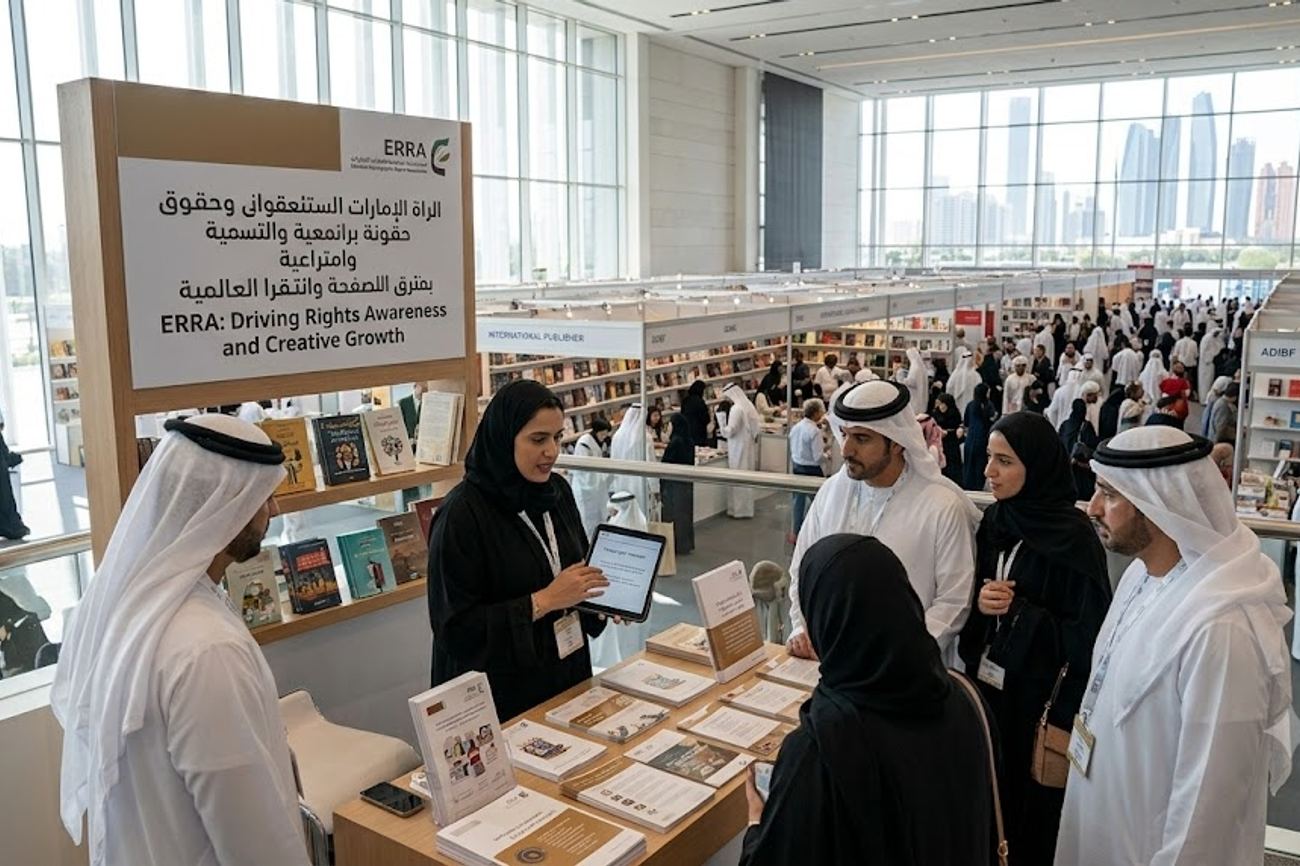
Image generated by AI
title: "The Intellectual Heart of the Emirates: Navigating Abu Dhabi's Literary Renaissance" date: 2025-10-15 category: Cultural Tourism tags: [Abu Dhabi International Book Fair 2026, UAE Creative Economy, Abu Dhabi Cultural Tourism, Emirates Reprographic Rights Management Association]
While most visitors associate Abu Dhabi with gleaming skyscrapers and desert dunes, the city is currently fighting a sophisticated battle over the invisible ownership of ideas. At the center of this struggle is the Emirates Reprographic Rights Management Association (ERRA), which has turned the Abu Dhabi International Book Fair into a frontline for intellectual property rights, moving the conversation from dry legal codes to the living heart of the city's creative economy.
The Shift Toward Ethical Creativity in Abu Dhabi
Abu Dhabi is currently undergoing a transformation where the value of a book is no longer just in its physical binding, but in the legal protections surrounding its content. During the Abu Dhabi International Book Fair 2026, which runs from 13 to 18 September, the focus has shifted sharply toward the "responsible use" of intellectual works. This isn't just about stopping piracy; it is about building a professional ecosystem where authors and publishers are paid fairly for their contributions.
The most significant development during this period is the new partnership between ERRA and the Emirates Library and Information Association. This is not a mere formality; the two organizations have signed a memorandum of understanding (MoU) to create a structured framework for sharing research, data, and professional expertise. For the traveler or expat living in the UAE, this means a shift in how libraries and publishing houses operate, moving toward a model of official licensing channels rather than unregulated reproduction. This collaboration aims to turn theoretical copyright laws into practical institutional measures, ensuring that the UAE's growth as a global knowledge hub is built on a foundation of legality and respect for creators.
What Makes Abu Dhabi’s Literary Scene Different
Unlike the commercialized book fairs of the West, the intellectual climate in Abu Dhabi is deeply intertwined with national identity and the vision of a "creative economy." The discourse here is focused on the tension between the desire for open access to knowledge and the necessity of protecting the individual creator.
This tension is played out in high-stakes panel discussions. For instance, the "Publishing Without Piracy" session, hosted by the Sea of Culture Foundation, addresses the financial and professional ruins left by unauthorized distribution. The city is positioning itself as a guardian of "Authenticity in Creativity," arguing that for the publishing industry to survive, it must move beyond legislation and into a cultural mindset where originality is prized above convenience.
When you visit the city's cultural districts, you see this reflected in the architecture and the institutions. The UAE is leveraging its position as a crossroads of East and West to define a new standard for intellectual property in the Middle East. By focusing on the "impact" of legislation rather than just the existence of laws, Abu Dhabi is attempting to create a sustainable environment where a writer can make a living without fearing that their work will be digitized and distributed without consent across the Gulf.
Visitor Insider Tips
To experience Abu Dhabi’s intellectual side without feeling like a tourist, you need to move beyond the main exhibition halls.
Timing Your Visit: If you are attending the Abu Dhabi International Book Fair from 13 to 18 September, avoid the mid-day rush. The most authentic networking happens during the early morning panel sessions or the late-evening mixers. The heat in September is intense, so plan your movements between air-conditioned hubs.
Navigating the Scene: To get a real sense of the city's cultural layout, use the official Visit Abu Dhabi portal to track pop-up literary events that happen in the cafes of Al Qana or the galleries of Saadiyat Island. These are often where the real debates from the fair spill over into public conversation.
Local Etiquette: When engaging with authors or officials from ERRA or the Emirates Library and Information Association, remember that professional titles are highly respected. A formal approach is always appreciated. If you are visiting libraries or archives, be mindful that photography policies are strictly enforced to protect the very intellectual property the city is currently championing.
Transport Hacks: Skip the taxis during the peak fair hours. The city's infrastructure is designed for cars, but utilizing pre-booked shuttles or the integrated transport apps will save you from the gridlock surrounding the fair venues. For those exploring the broader cultural landscape, including UNESCO World Heritage sites in the wider region, renting a car is the only way to see the intersection of ancient history and modern intellectualism.
Cultural and Environmental Context
The push for reprographic rights is not just a legal battle; it is a social one. In the UAE, the rapid digitization of education and government services has created a vacuum where copyright was often an afterthought. The current movement led by ERRA is an attempt to rectify this by educating the public on the "reprographic right"—the right of a creator to be compensated when their work is photocopied or digitally reproduced for institutional use.
This shift is essential for the sustainability of the local publishing industry. Without these protections, local authors are discouraged from writing in Arabic or exploring niche regional topics, as the financial risk of piracy outweighs the potential reward. By integrating the library system (via the Emirates Library and Information Association) into the rights management framework, the UAE is attempting to solve a classic dilemma: how to make books accessible to the masses while ensuring the author doesn't go hungry.
Furthermore, this movement aligns with a broader environmental push toward "digital responsibility." By encouraging official digital licensing over the mass printing of unauthorized copies, the region is slowly reducing the paper waste associated with the "pirate" publishing industry, though the primary driver remains economic and legal rather than ecological.
FAQ: Visiting Abu Dhabi 2026
What is the best time to visit for cultural events? The window from September to November is ideal. The Abu Dhabi International Book Fair in mid-September is a highlight, and the weather begins to cool enough for outdoor cultural walks by October.
Do I need a visa to attend the Book Fair? Visa requirements depend on your nationality. Many visitors qualify for a visa-on-arrival or a simple e-visa. Check the official UAE government portal for the most current entry requirements before booking.
How do I get to the fair venues from the city center? The most efficient way is via ride-sharing apps or taxis. While public transport is expanding, the fair venues are best accessed via direct road transport to avoid multiple transfers in the September heat.
Is it safe for solo travelers to explore the literary districts? Abu Dhabi is consistently ranked as one of the safest cities globally. Solo travelers, including women and LGBTQ+ individuals, generally find the city welcoming, provided they respect local customs and dress modestly in public spaces.
True luxury in the modern age isn't a gold-plated hotel—it's the security of knowing your ideas are your own.
Related Travel Guides
- African Collaborations Group Welcomes Aïcha Diop To Drive New Era Of Sport And Entertainment Development
- Arabian Travel Market 2026 Unveils AI Revolution As Dubai Leads The Future Of Smart Tourism Innovation
- India Welcomes Espolòn Tequila As Campari Group Expands Premium Spirits Portfolio And Cocktail Culture Growth
Disclaimer
This article is for informational and educational purposes only. It does not constitute legal, financial, or professional advice. While we strive to provide accurate and up-to-date information, travel policies, regulations, and conditions change rapidly. Always verify information with official sources before making travel decisions. Nomad Lawyer makes no representations about the accuracy, reliability, completeness, or suitability of the information provided. Readers should consult qualified professionals for advice specific to their circumstances. The views expressed in this article are those of the author and do not necessarily reflect the views of Nomad Lawyer.
Preeti Gunjan
Contributor & Community Manager
A passionate traveller and community builder. Preeti helps grow the Nomad Lawyer community, fostering engagement and bringing the reader experience to life.
Learn more about our team →