
African Collaborations Group Welcomes Aïcha Diop To Drive New Era Of Sport And Entertainment Development
African Collaborations Group Welcomes Aïcha Diop To Drive New Era Of Sport And Entertainment Development

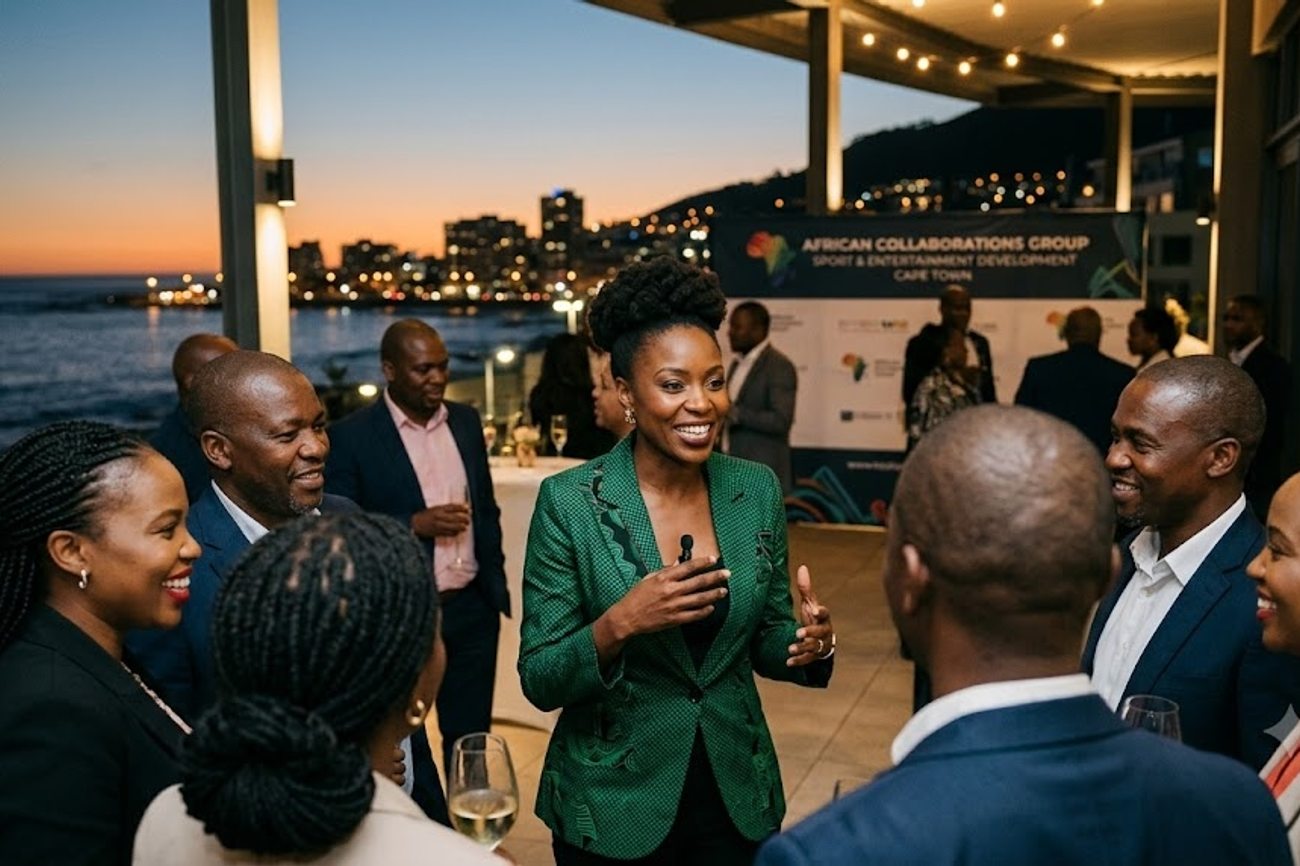
Image generated by AI
title: "The Industrialization of African Sport: Scaling the $20 Billion Ecosystem" date: 2024-05-22 author: "Trend Analyst" category: "Market Analysis"
The projected valuation of Africa’s sports economy is set to reach $20 billion by 2035, a figure that signals a massive shift from fragmented local competitions to institutionalized, bankable assets. This trajectory represents a departure from the historical reliance on single-event tourism, moving instead toward the creation of permanent, mixed-use entertainment districts that function as year-round economic engines.
The Infrastructure Pivot in Numbers
The appointment of Aïcha Diop to the African Collaborations Group (ACG) Advisory Board is not merely a corporate hire; it is a strategic move to capture a specific segment of the projected $20 billion sports market. Diop’s background is a data map of the modern African sports expansion. With 18 years of experience across Africa, Europe, the Middle East, and North America, her career trajectory mirrors the globalization of sports management.
The core of this trend is the move away from the "stadium model." Historically, sports infrastructure in Africa has been characterized by isolated venues that remain dormant between major tournaments. ACG is now pivoting toward "sport and entertainment district ecosystems." These are diversified, mixed-use zones designed to attract Development Finance Institutions (DFIs) and private equity. By integrating commercial real estate, hospitality, and retail into sports hubs, these districts transform a sporting event from a one-day spike in occupancy into a sustainable revenue stream.
Diop’s specific experience with the Basketball Africa League (BAL)—the first professional league operated by the NBA outside North America—provides the blueprint for this scaling. The BAL represents a shift in how international sports brands enter the African market: not as temporary visitors, but as operational partners building local leagues. This institutionalization is what makes a project "bankable" for investors who require predictable cash flows and proven operational management.
Comparative Market Dynamics: Sport-Tourism Evolution
When comparing the current approach to sports development in Africa against previous decades, the primary difference is the integration of "lifestyle management" and "commercial activation." In the past, sports infrastructure was often government-funded and lacked a commercial exit strategy. Today, the model is driven by Public-Private Partnerships (PPPs) and a sophisticated network of transaction advisors and legal specialists.
The following table illustrates the shift in the African sports infrastructure paradigm:
| Metric | Traditional Stadium Model (Pre-2020) | Integrated District Model (2024-2035) |
|---|---|---|
| Primary Revenue Source | Ticket sales & Government grants | Mixed-use retail, Hospitality, Long-term leases |
| Investment Profile | High-risk / Public debt | Bankable / DFI & Private Equity |
| Utilization Rate | Intermittent (Event-based) | Constant (Daily commercial activity) |
| Operational Focus | Event logistics | Brand development & Audience growth |
| Economic Scope | Localized impact | Regional industrialization |
This shift is aligned with broader global trends seen in the Middle East, where cities like Riyadh and Doha have used sports districts to diversify their economies. According to data from the World Tourism Organization (UNWTO), sports-related travel is one of the fastest-growing segments of global tourism, and Africa is currently the least saturated market for this specific type of integrated development.
What This Means for Travelers
For the high-net-worth traveler and the sports enthusiast, the industrialization of African sport will fundamentally change the logistics of visiting the continent. We are moving toward a "hub-and-spoke" travel model where travelers will center their trips around these new entertainment districts rather than navigating multiple disconnected cities.
If you are planning travel to major African sporting hubs over the next 3-5 years, expect the following shifts:
- Integrated Hospitality: The rise of mixed-use districts means that luxury accommodation will be physically attached to sports venues. Booking "district-integrated" hotels will become the standard for sports tourists, reducing transit times and increasing safety.
- Event-Driven Demand Spikes: As the sports economy scales toward that $20 billion mark, the "BAL effect" will lead to extreme demand volatility. Booking 4-6 months in advance for league finals or major tournaments will be necessary, as the capacity of these new districts will be tightly managed.
- Diversified Itineraries: Travelers will no longer visit just for a match. These districts are designed for "lifestyle" consumption, meaning a three-day trip for a basketball game will evolve into a seven-day trip involving shopping, dining, and cultural experiences within a single ecosystem.
Projecting the 2035 Trajectory
The trajectory of the African sports market suggests that by 2035, the continent will no longer be viewed as a talent exporter to Europe and North America, but as a primary destination for sports consumption. The involvement of figures like Diop—who has navigated the corporate structures of IBM and the operational demands of Formula 1 and UFC—indicates that the focus is now on the "professionalization of the fan experience."
We can expect a surge in "sport-cations," where the primary driver of travel is the access to these high-tech districts. As ACG connects regulators and architects with DFI funding, the physical map of African cities will change. We will see the emergence of "Sport Cities" that function similarly to the entertainment districts in Las Vegas or the sports precincts in London.
The data indicates a move toward "audience growth" as a primary KPI. This means more aggressive marketing to the global diaspora and international sports fans, which will likely result in an increase in direct flight routes to these emerging hubs. To track the growth of these aviation corridors, analysts should monitor OAG data for new capacity additions to secondary African cities that are hosting these new districts.
FAQ: African Sports Infrastructure 2024-2035
Will the cost of traveling to African sports events increase? Yes. As infrastructure shifts from basic stadiums to luxury integrated districts, the price point for accommodation and experiences will rise to match international standards. However, this will be offset by increased efficiency and better security.
Which regions are most likely to see these entertainment districts first? Based on current BAL and NBA Africa activity, markets with strong existing corporate hubs and government support for PPPs will lead. Look for developments in major economic centers where DFI investment is already concentrated.
Is now a good time to invest in African sports-related travel? From a data perspective, we are in the "build phase." The transition toward a $20 billion economy by 2035 suggests significant upside for those investing in the surrounding hospitality and logistics sectors now.
How will these districts differ from existing stadiums? Existing stadiums are venues; these districts are ecosystems. They include hotels, retail centers, and office spaces, ensuring the area generates revenue 365 days a year, not just on match days.
The shift from isolated venues to bankable ecosystems is transforming Africa from a sports talent pool into a global sports destination.
#AfricanSportsEconomy2035 #ACG #BasketballAfricaLeague #SportDistrictDevelopment #DFIInvestmentAfrica #AfricanTourismGrowth
Related Travel Guides
- Arabian Travel Market 2026 Unveils AI Revolution As Dubai Leads The Future Of Smart Tourism Innovation
- India Welcomes Espolòn Tequila As Campari Group Expands Premium Spirits Portfolio And Cocktail Culture Growth
- USA Travel Spotlight: Florida Route 60 Could Become a Powerful Scenic Road Trip Corridor
Disclaimer
This article is for informational and educational purposes only. It does not constitute legal, financial, or professional advice. While we strive to provide accurate and up-to-date information, travel policies, regulations, and conditions change rapidly. Always verify information with official sources before making travel decisions. Nomad Lawyer makes no representations about the accuracy, reliability, completeness, or suitability of the information provided. Readers should consult qualified professionals for advice specific to their circumstances. The views expressed in this article are those of the author and do not necessarily reflect the views of Nomad Lawyer.
Naina Thakur
Contributor & Travel Specialist
Travel enthusiast and legal writer covering visa regulations, responsible tourism, and cultural journeys across global destinations.
Learn more about our team →