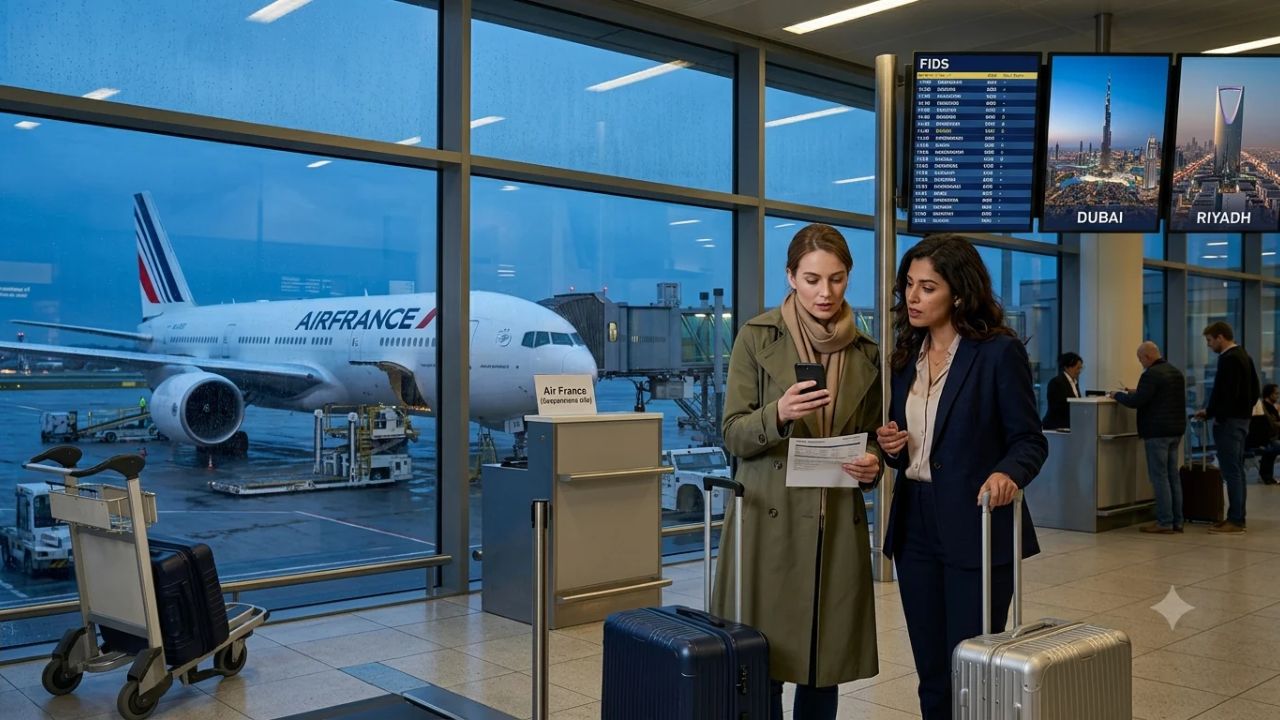
JetBlue's Boarding Restructure Triggers Elite Member Backlash Over Benefit Erosion


Image generated by AI
New gate procedures spark concern among frequent fliers that loyalty rewards are being quietly diminished
The Overhaul That's Dividing Travelers
JetBlue Airways has introduced a revamped boarding process designed to streamline passenger flow and improve on-time performance. The carrier characterizes the initiative as a modernization effort that simplifies gate operations and accelerates the journey from terminal to tarmac. Yet the announcement has triggered significant pushback from the airline's most valuable customers—elite frequent fliers who view the changes as a subtle rollback of long-standing premium privileges.
The restructuring fundamentally alters boarding priorities that have traditionally distinguished high-tier loyalty program members from standard passengers. While JetBlue insists the new framework maintains operational efficiency and passenger satisfaction, frequent-flier advocates argue the modifications dilute the tangible value proposition that has incentivized years of brand loyalty.
The Loyalty Program Controversy
The core issue centers on boarding sequence hierarchy. Frequent fliers, particularly those holding elite status within JetBlue's TrueBlue program, have historically enjoyed early boarding privileges—a concrete benefit that rewarded repeat customers with expedited airport procedures and better seat selection opportunities. The carrier's latest boarding reorganization compresses these distinctions, grouping passengers into broader categories that reduce the perceived advantage of elite membership.
Industry observers note this trend reflects broader pressures facing legacy and low-cost carriers alike. As airlines contend with rising operational costs—including volatile jet fuel prices and increased labor expenses—carriers have systematically monetized ancillary services and restructured loyalty benefits to improve profitability. For many fliers, these adjustments signal that traditional perks are becoming commodified rather than guaranteed.
Broader Industry Implications
JetBlue's move mirrors similar moves across the aviation sector, where carriers are carefully balancing customer satisfaction against margin preservation. United Airlines, Southwest Airlines, and American Airlines have all undergone comparable loyalty program adjustments in recent years, trading some elite privileges for operational efficiency.
The tension between modernization and loyalty devaluation reflects a fundamental challenge confronting the aviation industry: maintaining competitive advantage while managing structural cost pressures. Frequent fliers, having invested substantial spending with a single carrier, expect tangible recognition through boarding priority, seat upgrades, and lounge access.
JetBlue representatives maintain that the revised boarding structure ultimately benefits all passengers by reducing gate delays and improving schedule reliability. However, elite members counter that operational improvements should complement—not replace—established loyalty rewards.
Frequently Asked Questions
Why are airlines charging more baggage fees? Rising jet fuel costs, labor expenses, and maintenance have forced carriers to increase ancillary charges. Baggage fees now generate billions annually for the industry and offset operational cost pressures.
How do boarding changes affect elite frequent-flier status? Airlines are restructuring boarding sequences to improve efficiency, which often compresses the distinction between elite and economy passengers, reducing the perceived value of premium loyalty status.
What is devaluation in airline loyalty programs? Devaluation occurs when carriers reduce elite benefits—such as boarding priority or lounge access—without corresponding fee reductions, effectively diminishing the return on customer loyalty investment.
How can I protect my airline rewards status? Monitor program changes, compare benefits across carriers, and consider diversifying loyalty spending if your primary airline substantially reduces premium perks.
Which airlines have the best frequent-flier programs? Programs vary by route network and benefits offered. Delta SkyMiles, United MileagePlus, and American Airlines AAdvantage remain among the largest, though benefit structures change regularly.
Related Travel Guides
- EVA Air Launches Nonstop Washington to Taipei Route, Redefining Transpacific Travel
- Dubai International Airport Leads Historic Global Hub Expansion as Shanghai, Tokyo, and Istanbul Surge, Bypassing Transcontinental Flight Cancellations, Airport Disruptions, and Passenger Travel Chaos: New Airline News and Aviation Updates
- Delta Air Lines Axes Six Long-Haul Routes as Carrier Recalibrates International Strategy
This article is for informational purposes. Flight routes, passenger regulations, visa rules, and transit advisories are subject to change by airlines and aviation authorities. Readers are advised to verify schedules and travel documentation with relevant carriers and border agencies before departure.
Related Stories
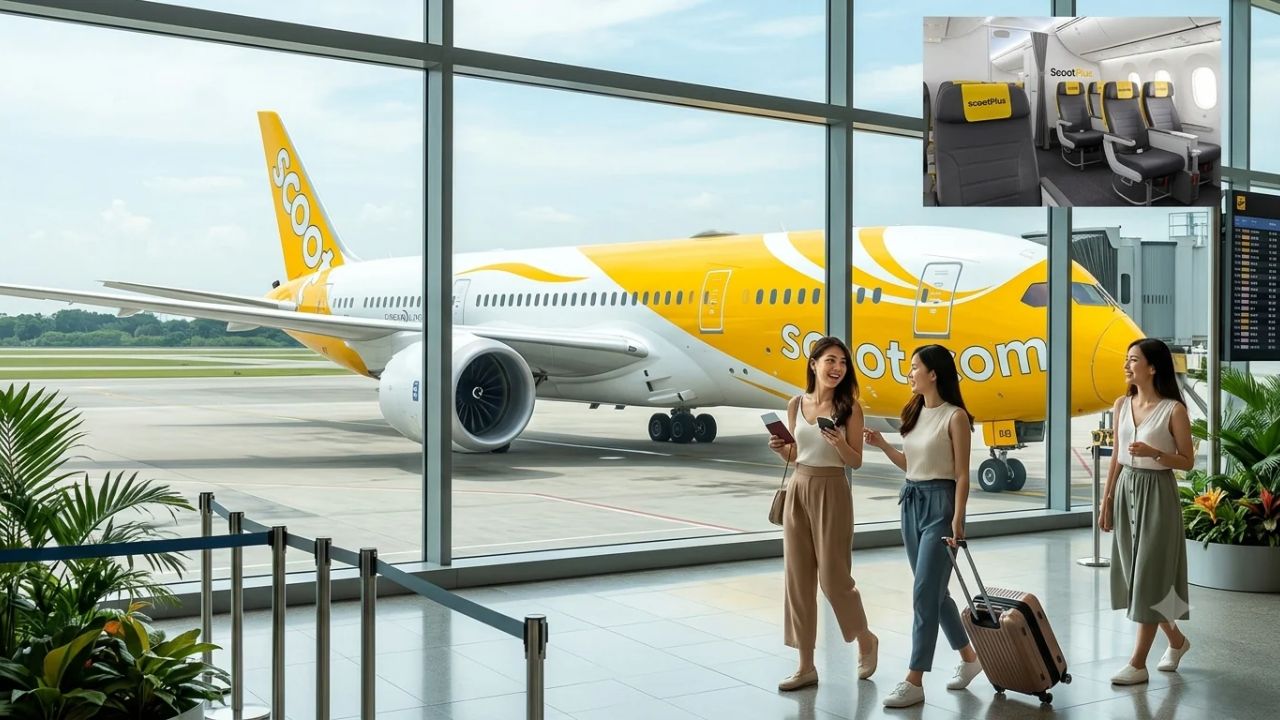
Ultra-Comfortable Budget Flights: How Singapore, Japan, Malaysia, and Spain Are Redefining Long-Haul Low-Cost Air Travel
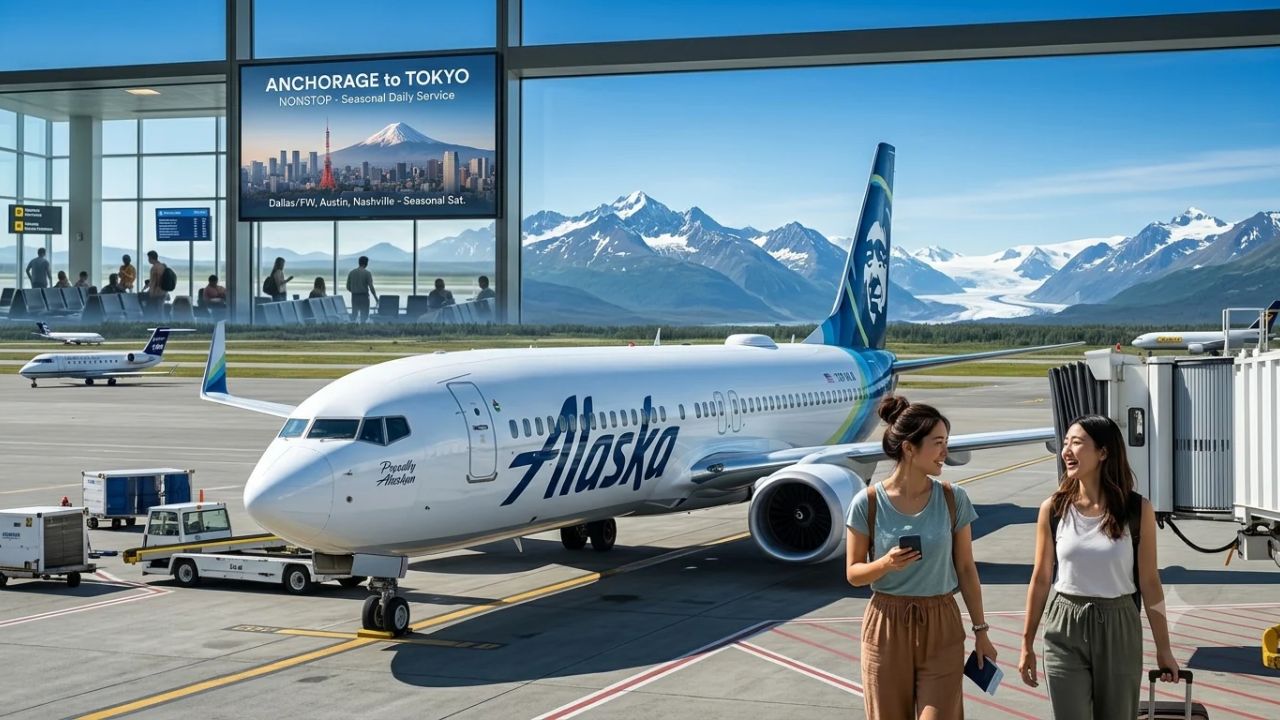
Alaska Airlines Connects Anchorage with Dallas, Austin, and Nashville in Summer 2027 Domestic Network Expansion