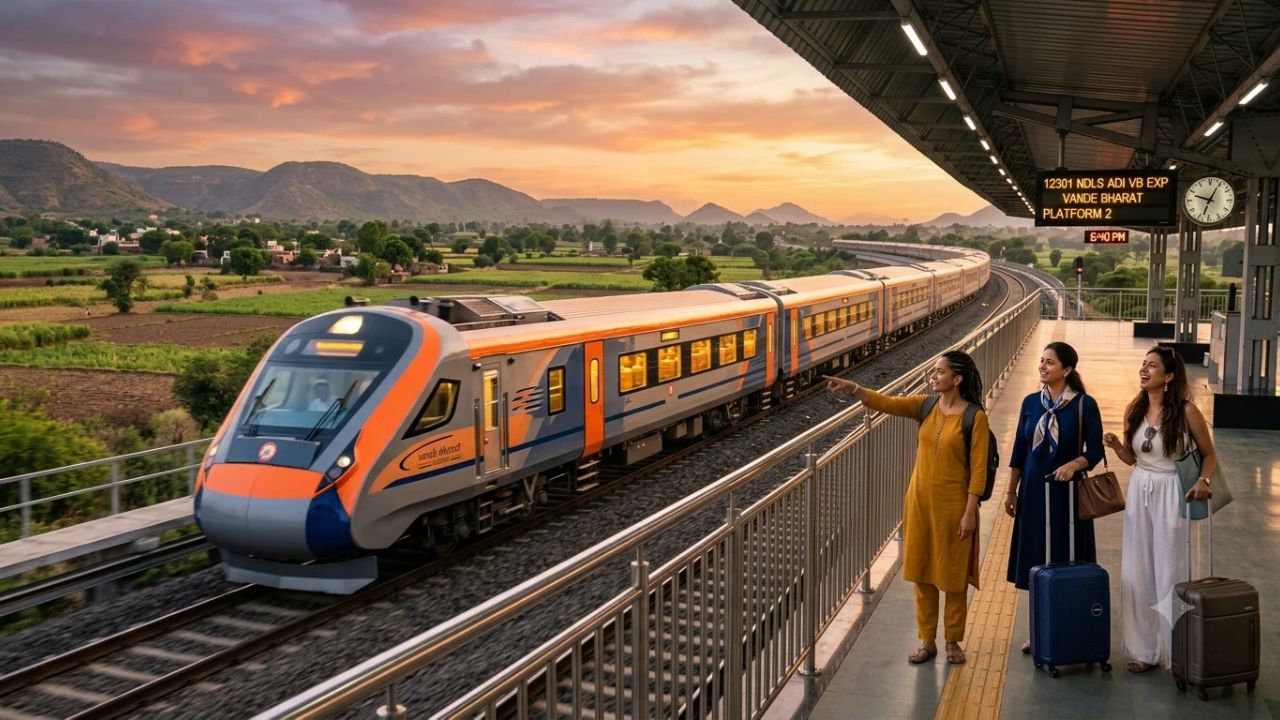
Pilgrims and Rapids: The Insider Rail and River Guide to the Garhwal Himalayas from Rishikesh to Karnaprayag (Reddit 2026)

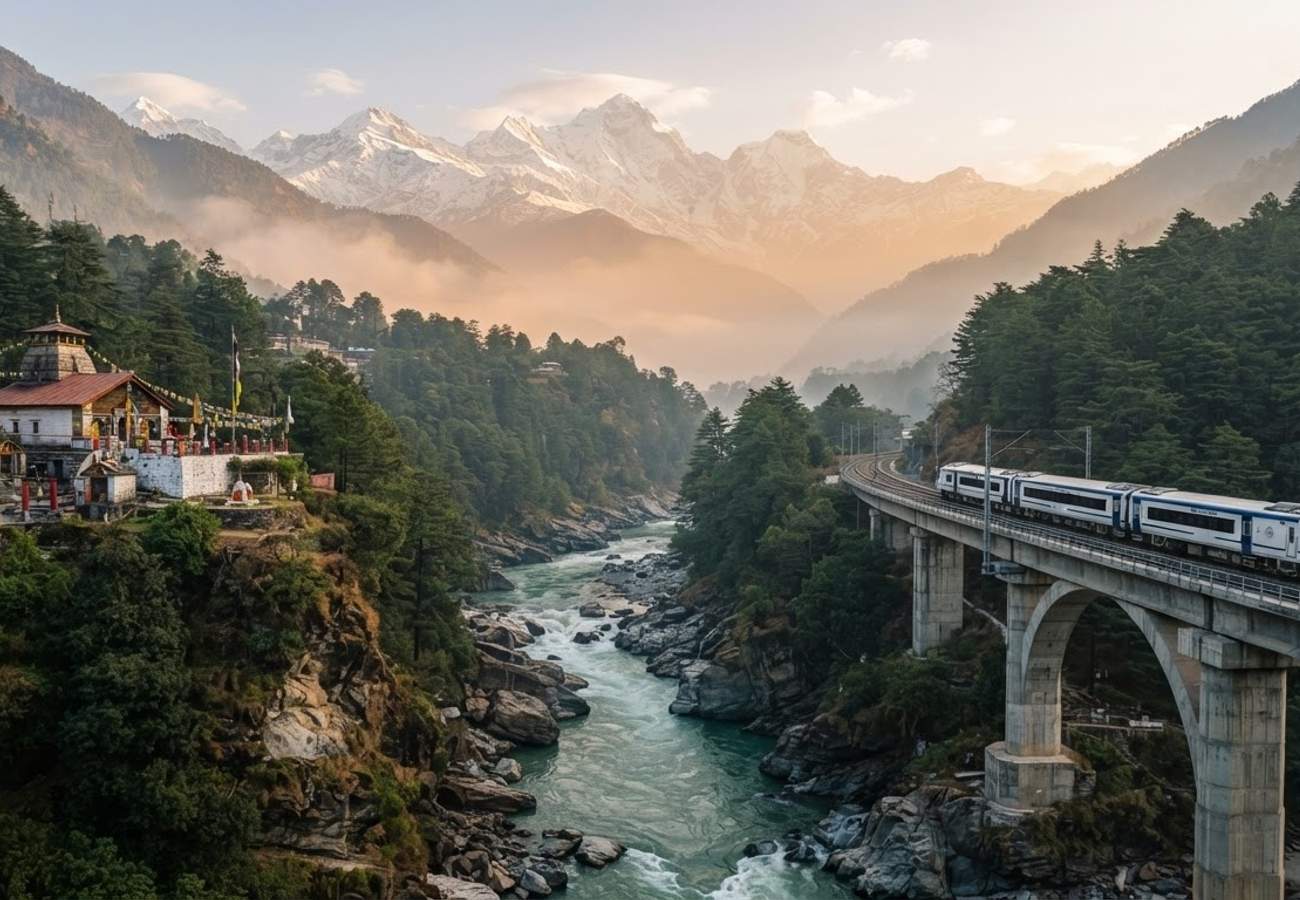
Image generated by AI
For generations, entering the rugged inner valleys of the Garhwal Himalayas meant braving the perilous bends and monsoon landslide delays of the Badrinath Highway (NH-58), where a grueling 12-hour overland journey separated the plains of Rishikesh from the high confluences of Chamoli. In 2026, one of the most audacious engineering feats in modern Asian history—the 125-kilometer Rishikesh–Karnaprayag Railway Project (RKRP)—is transforming this sacred pilgrimage and whitewater artery into an accessible, eco-friendly rail and river trail. Across Himalayan travel, whitewater, and adventure communities, travelers are actively planning trips around this new infrastructure, blending high-adrenaline river rafting with serene temple pilgrimages and high-altitude village homestays.
Running almost entirely through subterranean tunnels bored deep within Himalayan schist and soaring across arched bridges suspended hundreds of feet over the turquoise Alaknanda River, the rail corridor will slash travel times between Rishikesh and Karnaprayag from seven hours down to just over two. But beyond sheer transit convenience, the route connects a string of 10 iconic mountain railheads, whitewater rapids, ancient confluences (prayags), and cultural sanctuaries.
Here is the comprehensive insider guide to exploring the Garhwal rail and river corridor, compiled from local mountaineers, whitewater guides, and seasoned Reddit travelers.
Garhwal Corridor Overview: Rail, River, and Highway Comparison
| Route Milestone | Elevation | Transit Mode & Time (Rail vs Road) | Major River / Gorge Feature | Iconic Attraction | Reddit Rating |
|---|---|---|---|---|---|
| 1. Yog Nagari Rishikesh | 372 m | Origin Station / 0 mins | Holy Ganga (Plains Entry) | Triveni Ghat & Beatles Ashram | 9.8 / 10 |
| 2. Shivpuri & Marine Drive | 460 m | 15 mins (Rail) vs 45 mins (Road) | Lower Alaknanda Rapids | Roller Coaster & Golf Course Rapids | 9.7 / 10 |
| 3. Byasi & Kodiyala | 520 m | 25 mins (Rail) vs 1h 15m (Road) | Deep Granite Canyon | "The Wall" (Grade IV+ Rapid) | 9.5 / 10 |
| 4. Devprayag | 618 m | 40 mins (Rail) vs 2h 30m (Road) | Bhagirathi meets Alaknanda | Birthplace of Ganga & Raghunathji Mandir | 9.9 / 10 |
| 5. Maletha & Srinagar | 560 m | 60 mins (Rail) vs 3h 45m (Road) | Broad River Basin & Terraces | Garhwal Capital & Kamleshwar Temple | 9.3 / 10 |
| 6. Dhari Devi Shrine | 620 m | Near Srinagar Railhead | Suspended River Rock Sanctuary | Guardian Deity of Char Dham | 9.6 / 10 |
| 7. Rudraprayag | 895 m | 1h 25m (Rail) vs 5h 30m (Road) | Mandakini meets Alaknanda | Gateway to Kedarnath & Corbett Heritage | 9.7 / 10 |
| 8. Gholtir & Gauchar | 800 m | 1h 45m (Rail) vs 6h 15m (Road) | Broad Alluvial Plateau | Historical Indo-Tibetan Trade Grounds | 9.2 / 10 |
| 9. Karnaprayag | 1,456 m | 2h 10m (Rail) vs 7h 30m (Road) | Pindar meets Alaknanda | Gateway to Badrinath & Roopkund | 9.8 / 10 |
| 10. Subterranean Rail Tunnel Network | Various | 104 km through 16 Tunnels | Tunnel 2 & Escape Shafts | Seismic Ballastless Track Engineering | 9.9 / 10 |
1. Yog Nagari Rishikesh: The Modern Foothill Railhead
The journey begins at Yog Nagari Rishikesh railway station, an architectural showcase completed to international airport standards with sprawling stone plazas, eco-friendly solar rooftops, and dedicated pilgrim reception facilities. Located away from the congested downtown bridges of Ram Jhula and Lakshman Jhula, the station directly connects Delhi and Dehradun to the Himalayan foothills.
Before boarding trains into the mountains, travelers gather along Triveni Ghat for the mesmerizing sunset Maha Aarti, visit the historic Maharishi Mahesh Yogi Ashram (the "Beatles Ashram") nestled within Rajaji National Park, or rent mountain bikes to explore the foothill forests.
- Reddit Tip: "Avoid standard auto-rickshaws at the main town; use the shared electric shuttles linking Yog Nagari directly to Tapovan and Muni Ki Reti. If you're carrying heavy trekking packs, book luggage lockers inside the station concourse," advises a local Uttarakhand travel contributor.
2. Shivpuri and Marine Drive: The Whitewater Rapids Capital
Located just 16 kilometers upriver from Rishikesh, Shivpuri is world-renowned as the starting point for northern India's premier commercial whitewater rafting expeditions. The rail alignment here emerges briefly from Tunnel 1 onto a spectacular bridge before diving back into the mountain face.
From the sandy river beaches of Marine Drive and Shivpuri, rafters put in to tackle legendary Grade III and IV rapids including "Cash Flow," "Three Blind Mice," "Roller Coaster," and "Golf Course." The crystal-clear emerald water in autumn and spring provides ideal conditions for both thrill-seeking rafters and seasoned kayakers.
- Reddit Rafting Rule: "Always ensure your rafting operator is registered with the Uttarakhand Tourism Development Board (UTDB) and uses certified IRF (International Rafting Federation) river guides. Avoid roadside pirate operators offering sub-standard lifejackets," warns an experienced whitewater instructor on regional adventure forums.
3. Byasi and Kodiyala: The High Gorge Station and Technical Kayaking
Further upstream where the gorge narrows between towering limestone palisades, Byasi hosts one of the most dramatic railway stations on the network. Here, passengers step off almost directly into a deep canyon shadowed by cliffs where Himalayan griffon vultures nest.
Kodiyala, situated just above Byasi, is the put-in for India’s most notorious commercial rapid: "The Wall" (Grade IV+). This massive hydraulic feature demands precise maneuvering and is frequently portaged by conservative crews during high water. The surrounding crags have also evolved into a premier rock-climbing and bouldering hub.
- Reddit Adventure Hack: "If you're not into extreme whitewater, Byasi offers quiet hillside eco-camps away from the party crowds of Shivpuri. The night skies in winter are breathtakingly clear for astrophotography."
4. Devprayag: The Sacred Confluence of Bhagirathi and Alaknanda
Of all the sacred confluences (Panch Prayag) in the Himalayas, Devprayag holds the highest religious significance. Here, the raging, silt-laden glacial waters of the Bhagirathi (originating from Gaumukh) collide with the deep turquoise, calm flow of the Alaknanda (flowing from Satopanth Glacier). It is precisely at this physical confluence that the river takes the name Ganga.
The new railway station at Devprayag provides unprecedented accessibility to the historic town, which clings like a swallow's nest to the cliff walls. Stone staircases lead down through narrow bazaar alleys to the sacred bathing ghat at the point of confluence, crowned by the ancient stone Raghunathji Temple, believed to date back more than a millennium.
The expansion of the rail network into the Garhwal Himalayas is transforming access to spiritual hubs like Rishikesh and Karnaprayag, reducing travel time and road congestion. Travelers can coordinate their journeys through the Indian Railways portal to secure bookings and monitor real-time schedule updates for these strategic mountain routes.
- Reddit Cultural Insight: "Stand on the suspension bridge overlooking the Sangam. The contrast between the teal-green Alaknanda and the grey-white Bhagirathi before they swirl together is an unforgettable natural and spiritual spectacle."
5. Maletha and Srinagar Garhwal: Cultural Heart of the Kingdom
As the rail route leaves Devprayag, it passes through the wide alluvial basin of Maletha before reaching Srinagar Garhwal, the historic medieval capital of the Garhwal Kingdom. Srinagar is a thriving educational and cultural center home to Hemvati Nandan Bahuguna Garhwal University.
Travelers stopping here explore the ancient Kamleshwar Mahadev Temple—where Lord Rama is said to have worshipped Lord Shiva with 1,000 lotus flowers—and sample authentic regional cuisine. Village cooperatives around Maletha offer organic dishes including Kafuli (spinach and fenugreek puree), Chainsoo (roasted black gram curry), and Jhangora ki Kheer (barnyard millet pudding).
- Reddit Foodie Note: "Skip the highway dhabas and visit the local women's self-help group (Mahila Mangal Dal) stalls near the university for fresh piping-hot Mandua ki Roti (finger millet flatbread) served with fresh churned mountain butter."
6. Dhari Devi Shrine: The River Guardian Deity
Perched directly over the swirling waters of the Alaknanda between Srinagar and Rudraprayag sits the revered shrine of Dhari Devi, considered the guardian deity of Uttarakhand and the protector of the Char Dham pilgrimage. The upper half of the goddess idol is worshipped here, while the lower half is housed at Kalimath.
When the Srinagar hydroelectric project was constructed, the shrine was carefully elevated onto reinforced concrete pillars directly above its original sacred rock outcrop, preserving its position in the middle of the river.
- Reddit Pilgrim Tip: "Morning darshan between 6:00 AM and 7:30 AM offers peaceful spiritual contemplation before tourist groups arrive. The morning mist drifting across the Alaknanda gorge creates an ethereal atmosphere."
7. Rudraprayag: Gateway to Kedarnath and Jim Corbett's Trail
At Rudraprayag, the emerald waters of the Mandakini River, descending from the glaciers of Kedarnath and Madhyamaheshwar, meet the roaring Alaknanda. Rudraprayag serves as the critical transit fork: the road heading north leads up the Mandakini valley to Guptkashi, Sonprayag, and Kedarnath, while the eastern road continues along the Alaknanda toward Badrinath.
The town is also etched into literary and wildlife history as the stomping ground of the legendary British naturalist and hunter Jim Corbett, who tracked down the man-eating leopard of Rudraprayag in 1925. A memorial pillar still marks the spot near the confluence.
- Reddit Route Hack: "If traveling to Kedarnath, disembarking at Rudraprayag railhead saves nearly four hours of nauseating bus travel compared to taking the bus all the way from Haridwar. Dedicated electric shared cabs connect the station directly to Sonprayag."
8. Gholtir and Gauchar: The Alpine Terraces and Historical Fairgrounds
Continuing upstream towards Chamoli district, the railway crosses into the expansive plateau of Gauchar. Blessed with one of the few broad, flat river terraces in the steep Alaknanda valley, Gauchar has played a vital historical role as an Indo-Tibetan trade post.
Every November, the historic Gauchar Mela celebrates traditional handicrafts, hand-spun Bhotiya wool shawls (Pashmina and Pankhi), and rare Himalayan herbs. The area also hosts a mountain airstrip used for regional connectivity and disaster relief operations.
- Reddit Souvenir Tip: "Buy directly from local Bhotiya weavers in Gauchar. Authentic sheep-wool dan (hand-knotted Tibetan-style rugs) and herbal teas purchased here directly support mountain pastoralists without middleman markups."
9. Karnaprayag: Confluence of the Pindar and Gateway to High Treks
The terminus of the new rail line is Karnaprayag, situated at the dramatic confluence of the Alaknanda and the milky-grey, glacier-fed Pindar River, which originates from the high Pindari Glacier near Nanda Devi. According to the Mahabharata, this is where the warrior Karna meditated and earned his indestructible armor (Kavach and Kundal) from the Sun God Surya.
Beyond the rails, the region offers world-class white-water rafting and trekking opportunities along the Alaknanda and Ganges rivers. Visitors are encouraged to explore official itineraries and safety guidelines provided by Uttarakhand Tourism to ensure a sustainable and secure experience in the high-altitude terrain.
Karnaprayag is the premier basecamp for some of Uttarakhand’s most revered alpine adventures, including the Roopkund mystery lake trek, the Bedni Bugyal alpine meadows, and the high-altitude pilgrimage to Badrinath via Joshimath.
- Reddit Trekker Strategy: "Instead of spending the night in noisy transit towns, stay in village homestays around Karnaprayag and Narayanbagar. You will enjoy home-cooked organic meals and local guides who know every inch of the trails into the Pindar Valley."
10. The Engineering Wonder: 104 km of Subterranean Himalayan Tunnels
What makes the Rishikesh–Karnaprayag Railway genuinely extraordinary is that over 84% of its entire 125-kilometer route runs underground. The project incorporates 16 state-of-the-art tunnels, including Tunnel 2 (measuring over 15 kilometers between Devprayag and Janasu)—making it one of the longest transportation tunnels in India.
Engineered by Rail Vikas Nigam Limited (RVNL) using the New Austrian Tunnelling Method (NATM), the system features parallel escape tunnels, cross-passages every 375 meters, continuous seismic deformation sensors, and advanced ballastless tracks designed to withstand Himalayan geological shifts while generating zero carbon emissions.
- Reddit Engineering Note: "This is not just a railway; it's a strategic climate-resilient arterial lifeline. Unlike NH-58, which gets severed for days during monsoon cloudbursts and landslides, the subterranean rail line operates unaffected deep beneath the unstable surface rock."
Essential Travel Tips for the Garhwal Corridor in 2026
To experience the best of the rail and river trail safely and respectfully, keep these expert tips in mind:
1. Booking and Registration Requirements
- Char Dham Biometric Registration: If you plan to continue past Karnaprayag or Rudraprayag to Badrinath, Kedarnath, or Hemkund Sahib, mandatory biometric e-passes must be generated in advance via the official Uttarakhand Tourism Portal.
- Train Tickets: Advance reservations on Vande Bharat and Garhwal Express services can be booked via the IRCTC portal 120 days prior to departure.
2. Best Seasons for Travel
- Whitewater Rafting: October to mid-May. Post-monsoon autumn (October–November) offers crystal emerald-green waters and warm sunny days. Spring (March–April) brings thrilling snowmelt rapids.
- Pilgrimage and Mountain Trekking: May to June (pre-monsoon) and September to early November (crisp, clear views of the high peaks).
- Monsoon Cautions (July–August): River rafting is legally closed across Uttarakhand during the peak monsoon. While the new rail route avoids surface landslides, road connections beyond Karnaprayag can experience seasonal delays.
3. Sustainable and Responsible Mountain Etiquette
- Single-Use Plastics: Uttarakhand strictly bans single-use plastic bottles and bags along the river corridors. Carry a refillable steel water flask and use filtered water filtration stations at railway terminals.
- Respect the Sacred Waters: The confluences (prayags) are revered pilgrimage sites. Wear modest attire when visiting ghats, avoid soap or detergents in the river, and respect local bathing customs.
FAQ: Garhwal Rail & River Corridor 2026
How long does it take to travel from Delhi to Karnaprayag with the new railway?
When combining the Delhi–Rishikesh semi-high-speed rail service with the Rishikesh–Karnaprayag train, total transit time is reduced to approximately 5 to 6 hours, compared to 12 to 14 hours by highway bus.
Can I carry rafting gear or trekking equipment on the train?
Yes. Standard trekking rucksacks and folded kayak bags that fit within Indian Railways cabin luggage dimensions (up to 40 kg per passenger in AC classes) are permitted. Bulky hard-shell kayaks must be booked through the railway parcel office at Yog Nagari Rishikesh.
Are homestays available near the new stations?
Yes. Under the Uttarakhand Homestay Scheme (Deendayal Upadhyay Homestay Yojana), hundreds of registered village homes offer comfortable rooms, local meals, and authentic hospitality in Byasi, Devprayag, Maletha, and Gauchar.
Is motion sickness an issue on the new railway line?
No. Unlike the winding, serpentine bends of the NH-58 highway which frequently induce acute motion sickness, the electrified broad-gauge railway runs on smooth, low-gradient ballastless tracks through stable subterranean tunnels.
By replacing exhaust fumes and cliffside traffic jams with silent electric tracks and sacred river waters, the Garhwal Rail Trail invites travelers to discover the eternal spirit of the Himalayas in harmony with nature.
Related Travel Guides
This article is for informational purposes. Flight routes, passenger regulations, visa rules, and transit advisories are subject to change by airlines and aviation authorities. Readers are advised to verify schedules and travel documentation with relevant carriers and border agencies before departure.
Related Stories
Indian Railways Proposes 16-Coach Sleeper Vande Bharat Express Service Connecting New Delhi and Varanasi via Kanpur and Prayagraj Corridor
Indian Railways to Launch Optional Travel Insurance at Physical Reservation Counters October 27 2026