
Yellowknife Canada Four-Season Travel Guide: Aurora Borealis, Great Slave Lake, and Culture
Yellowknife offers a four-season Arctic escape, pairing world-class Aurora viewing with Great Slave Lake paddling, ice fishing, and First Nation heritage.

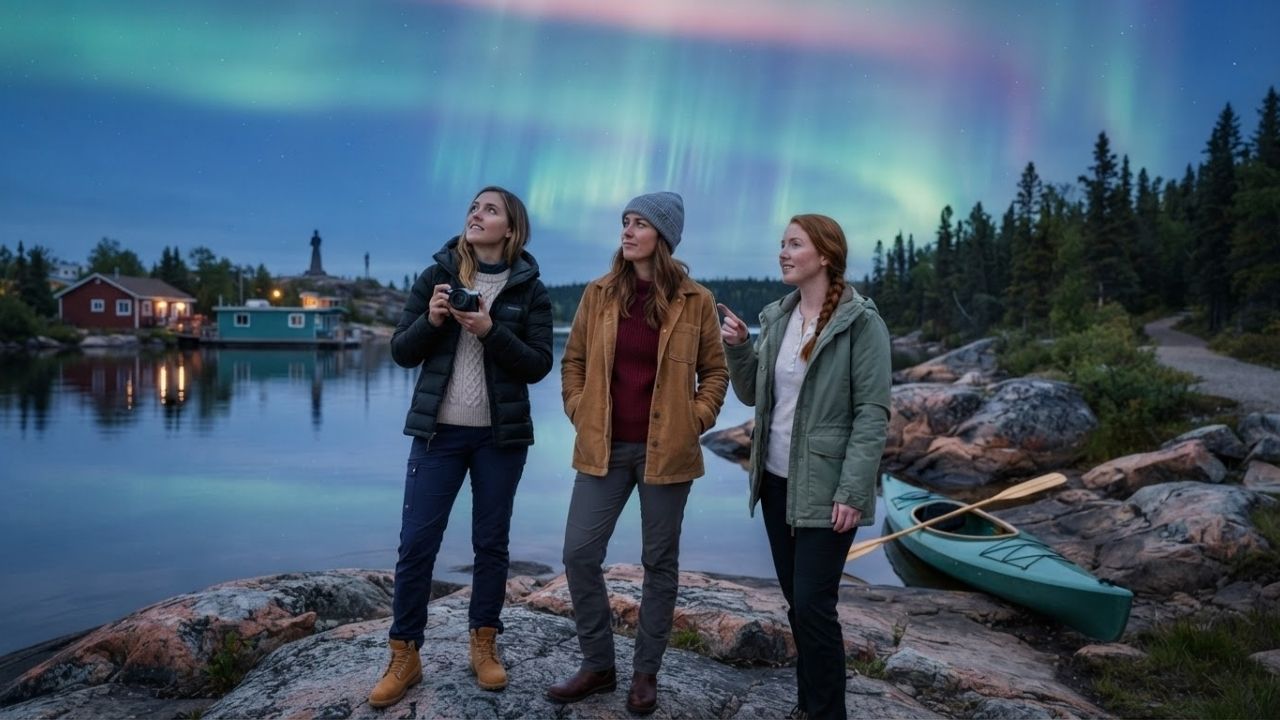
Image generated by AI
Famous worldwide as one of the top locations to view the Northern Lights, Yellowknife in Canada’s Northwest Territories has developed into a versatile four-season Arctic destination. Situated on the shores of Great Slave Lake, the territorial capital pairs Aurora Borealis viewings with outdoor adventures and rich Indigenous heritage.
Aurora Borealis Peak Season: November to April Viewing Strategies
[YELLOWKNIFE, Canada] — Located directly beneath the auroral oval, Yellowknife offers some of the most consistent Northern Lights viewing conditions in the world. According to municipal tourism data from the City of Yellowknife, the primary Aurora season spans from mid-November to early April, with a secondary viewing window occurring during late summer and early autumn when dark skies return.
Because atmospheric conditions and solar activity fluctuate, travel specialists recommend booking stays of at least three to four nights to maximize the chances of witnessing clear Aurora displays.
Visitors can join guided night tours utilizing wilderness cabins, heated viewing tents, or mobile chase vehicles to escape city light pollution. Bringing layered extreme-cold clothing, heavy winter boots, a sturdy tripod, and camera gear capable of long exposures is recommended for night photography.
Winter Outdoor Adventures: Dogsledding, Ice Fishing, and March Travel
Winter transforms Yellowknife into an outdoor adventure playground. Once Great Slave Lake and surrounding waterways freeze, visitors can engage in traditional northern winter activities:
- Traditional Dogsledding: Experience dog teams navigating snowy forest trails and frozen lake surfaces.
- Ice Fishing Expeditions: Guided excursions drill through thick lake ice, offering fishers warm shelter and traditional catches.
- Snowmobile Safaris: Guided trails across frozen lakes and taiga forests.
March is widely considered an optimal month for winter travel. During March, longer daylight hours allow travelers to enjoy daytime snow sports while dark, clear night skies maintain prime conditions for Aurora Borealis viewing.
Proper cold-weather attire—including thermal base layers, insulated parkas, heavy gloves, thermal facemasks, and rated winter boots—is essential for safe outdoor exploration.
Summer on Great Slave Lake: Old Town, Houseboats, and Ingraham Trail Hikes
Summer and autumn reveal a different side of Yellowknife. Bordering Great Slave Lake—one of the largest freshwater lakes on Earth—the city becomes a destination for paddling, fishing, and boating.
Old Town serves as a major focal point for summer visitors. Situated along the shoreline, Old Town features colorful historic buildings, local art galleries, and famous off-grid floating houseboats in Houseboat Bay. Travelers can rent kayaks or stand-up paddleboards to explore the bay, or climb Pilot's Monument for panoramic views across Old Town, Back Bay, and Great Slave Lake.
For land-based nature exploration, the Ingraham Trail extends east from Yellowknife into a wilderness of lakes, forests, and Precambrian granite outcrops:
- Cameron Falls: A popular day-hike along the Ingraham Trail, featuring beginner-friendly forest boardwalks leading to a scenic waterfall.
- Frame Lake Trail: A paved and natural walking trail circling Frame Lake in central Yellowknife, connecting downtown to nature paths.
The table below outlines Yellowknife's seasonal travel characteristics, activities, daylight conditions, and recommended visitor gear:
| Travel Season | Primary Activities & Highlights | Climate & Daylight Specs | Recommended Visitor Gear & Tips |
|---|---|---|---|
| Winter (Mid-Nov – Apr) | Aurora viewing, dogsledding, ice fishing, snowmobiling | Sub-zero temps, long dark nights, frozen lakes | Thermal layers, extreme winter parka, rated boots |
| Spring Shift (March Peak) | Extended day activities + prime night Aurora viewing | Increasing daylight, crisp clear skies | Layered winter gear, camera tripod & extra batteries |
| Summer (June – August) | Kayaking, houseboats, fishing, Cameron Falls hiking | 20+ hours daylight ("Midnight Sun"), mild temps | Sun protection, light layers, insect repellent & hiking shoes |
| Autumn (Late Aug – Oct) | Fall foliage, early Aurora viewing, boating | Cool crisp air, returning dark night skies | Waterproof jacket, autumn layers & tripods for night viewing |
Indigenous Cultural Tourism and Territorial History
Yellowknife is located on Chief Drygeese Territory, the traditional land of the Yellowknives Dene First Nation, and is also home to the North Slave Métis Alliance. Recognizing this deep living history enhances the traveler experience.
Participating in Indigenous-led tours offers travelers authentic perspectives on northern land stewardship, seasonal survival traditions, and ancestral storytelling during Aurora viewings and cultural camp visits.
Cultural and historic anchor stops in the city include:
- Prince of Wales Northern Heritage Centre: Located near Frame Lake, this museum exhibits Northern art, First Nations and Métis heritage, and Northwest Territories history.
- Yellowknife Visitor Centre: Operates year-round, providing maps, self-guided walking guides, and credentials for crossing the 60th parallel.
Why This Matters for Passengers and Arctic Explorers
For travelers planning a northern holiday, Yellowknife delivers a complete Arctic experience that extends far beyond a simple night of Aurora watching. Visitors can spend winter days dogsledding across Great Slave Lake before watching green and purple light displays at night, or enjoy summer kayaking past Old Town's iconic houseboats and hiking to Cameron Falls. By offering Indigenous-led cultural tours, year-round museum exhibits, and accessible wilderness trails, Yellowknife provides a rich, multi-day northern destination.
Frequently Asked Questions
When is the best time to see the Northern Lights in Yellowknife?
The primary Northern Lights viewing season in Yellowknife runs from mid-November to early April, with a secondary viewing window during late August and September when dark night skies return.
What activities are available in Yellowknife during the summer months?
During summer, visitors can enjoy kayaking and canoeing on Great Slave Lake, tour Old Town's houseboat community, hike the Ingraham Trail to Cameron Falls, climb Pilot's Monument, and explore the Prince of Wales Northern Heritage Centre under 20+ hours of daylight.
How can travelers experience Indigenous culture in Yellowknife?
Travelers can book Indigenous-led Aurora and heritage tours hosted by members of the Yellowknives Dene First Nation and North Slave Métis Alliance, visit local art galleries in Old Town, and explore cultural exhibits at the Prince of Wales Northern Heritage Centre.
Related Travel Guides
Canada Northwest Territories and Arctic Circle Travel Advisory
Northern Lights Aurora Borealis Viewing and Photography Guide
10 Best Canadian Wilderness Destinations for Outdoor Adventure, According to Reddit
Disclaimer
This article is for informational and educational purposes only. It does not constitute legal, financial, or professional advice. While we strive to provide accurate and up-to-date information, travel policies, regulations, and conditions change rapidly. Always verify information with official sources before making travel decisions. Nomad Lawyer makes no representations about the accuracy, reliability, completeness, or suitability of the information provided. Readers should consult qualified professionals for advice specific to their circumstances. The views expressed in this article are those of the author and do not necessarily reflect the views of Nomad Lawyer.
Raushan Kumar
Founder & Lead Developer
Full-stack developer with 11+ years of experience and a passionate traveller. Raushan built Nomad Lawyer from the ground up with a vision to create the best travel and law experience on the web.
Learn more about our team →