
Slovakia Becomes Europe’s Accessible Destination With New Flights, Rail Links and Multi-Country Travel Routes
Slovakia Becomes Europe’s Accessible Destination With New Flights, Rail Links and Multi-Country Travel Routes

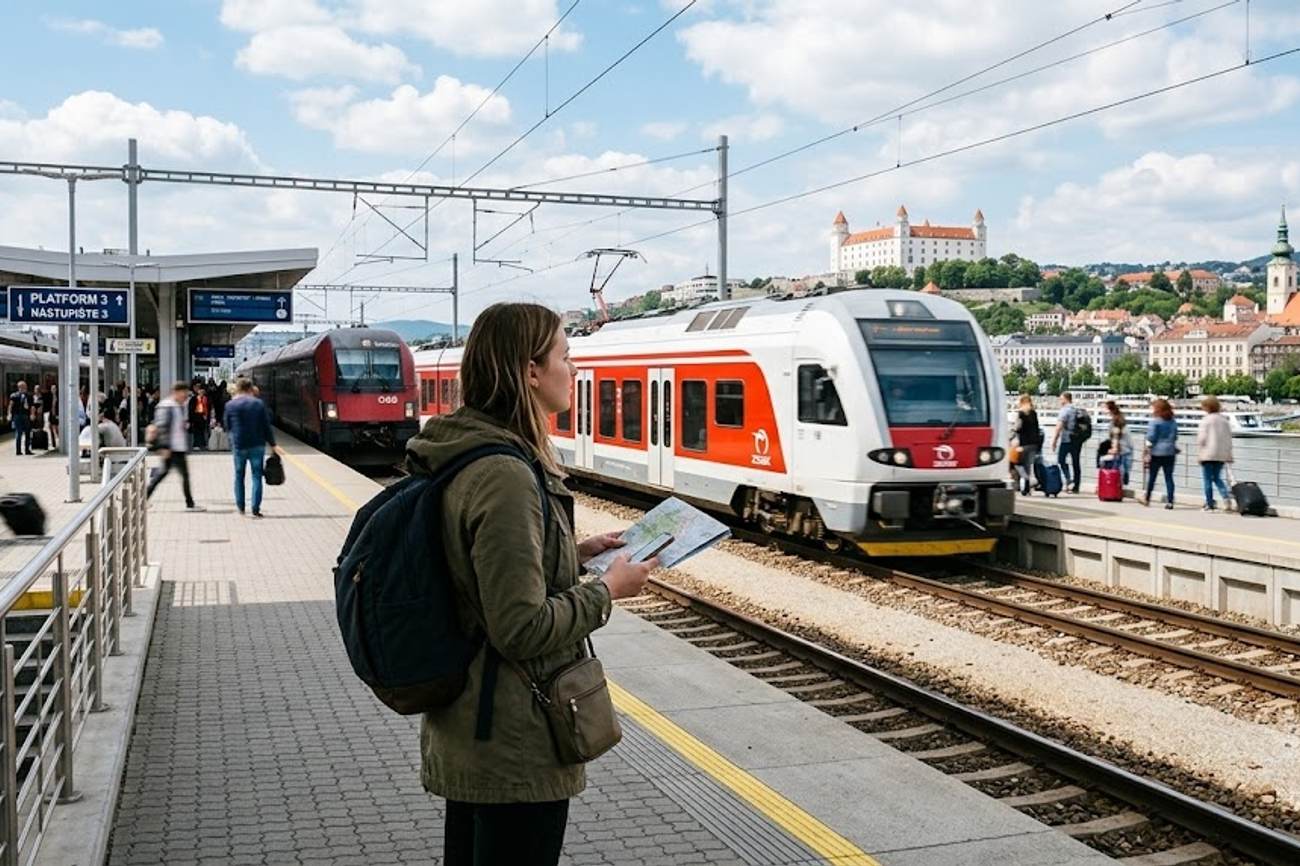
Image generated by AI
[Bratislava, October 2024] — Slovakia is aggressively repositioning itself as Central Europe’s primary accessible hub through a coordinated expansion of international flight routes, enhanced rail corridors, and the promotion of multi-country itineraries. The nation is leveraging its unique geography to attract a surge of leisure, cultural, and MICE (Meetings, Incentives, Conferences, and Exhibitions) travelers by streamlining transit between its borders and neighboring European markets.
The strategic push centers on the capital, Bratislava, which serves as a critical gateway due to its rare position at the intersection of three sovereign nations: Austria, Hungary, and Czechia. By increasing aviation capacity and integrating regional rail networks, Slovakia is enabling visitors to combine royal history, alpine adventure, and wellness tourism into single, seamless journeys.
The Infrastructure Catalyst
The transformation is driven by a significant uptick in air connectivity. Recent months have seen a surge in international flight arrivals into Bratislava, expanding the city's reach across the European continent. This aviation growth is designed to lower the barrier to entry for international tourists who previously viewed the country as a secondary stop.
Simultaneously, the country is capitalizing on its terrestrial links. Slovakia is strengthening its rail integration with major European hubs, specifically focusing on corridors connecting to Germany and Austria. These improvements allow for high-efficiency transit for those arriving from Western Europe, while established routes from Budapest to Prague further embed Slovakia into the broader Central European travel circuit.
Who Is Affected
The expansion of connectivity impacts several distinct traveler segments and regional corridors:
| Traveler Segment | Primary Benefit | Key Driver |
|---|---|---|
| Leisure Tourists | Reduced transit time to national parks and spas | New flight routes to Bratislava |
| Cultural Travelers | Easier access to the 2026 European Capital of Culture | Enhanced rail links from Berlin and Vienna |
| MICE Travelers | Increased viability for corporate events and summits | Improved aviation and urban infrastructure |
| Adventure Seekers | Seamless access to skiing and hiking networks | Integrated road and rail connectivity |
Key Geographic Corridors Impacted:
- The Tri-Border Zone: Bratislava's proximity to Vienna (Austria), Budapest (Hungary), and Brno (Czechia) is being optimized for short-haul transit.
- The Western Axis: Strengthened rail and road links from Germany and Austria.
- The Regional Hubs: Increased flow of tourists toward Trenčín and the wine-producing regions.
What This Means for Travelers
For the modern traveler, Slovakia's shift toward "total accessibility" removes the logistical friction typically associated with visiting smaller Central European states.
For those booking flights: You will find an increasing number of direct options into Bratislava. The city is no longer just a destination but a launchpad. Travelers can now fly into the capital and utilize the Slovak Republic's tourism infrastructure to reach the mountains or thermal spas without needing complex rental car arrangements.
For rail passengers: The integration with ÖBB (Austrian Federal Railways) and other regional carriers means that multi-city trips—such as Vienna-Bratislava-Budapest—are more efficient than ever. The "compact geography" mentioned by officials means that high-density sightseeing is possible; you can transition from a royal coronation site in the city to a national park in a matter of hours.
For the "Slow Travel" community: The expansion of well-marked hiking trails and the accessibility of the six wine-producing regions (including the shared Tokaj region with Hungary and the Little Carpathians near Bratislava) make the country a prime candidate for itinerary-based tourism rather than quick stopovers.
The 2026 Cultural Horizon
The most significant upcoming milestone is the designation of Trenčín as the European Capital of Culture for 2026. This title is expected to act as a massive magnet for international tourism, shifting the focus away from the capital and toward the country's regional heritage.
To prepare for the 2026 influx, Slovakia is promoting a diversified product offering that blends luxury and adventure:
- Wellness Integration: The country is marketing its specialization in thermal treatments and spas, specifically encouraging "winter-wellness" packages where skiing in the mountains is paired with thermal water recovery.
- Environmental Assets: With nine distinct national parks and thousands of kilometers of marked trails, the state is positioning itself as a sustainable alternative to the overcrowded Alps.
- Gastronomic Routes: The promotion of the Tokaj and Little Carpathians wine regions is designed to attract high-spend culinary tourists, particularly during the vintage season from September to October.
FAQ: Slovakia Travel 2024-2026
How do I get to Slovakia from other European cities? Travelers can use the expanded flight network into Bratislava or utilize strong rail connections from Berlin, Vienna, and Budapest. The country is highly accessible by car and train due to its central location bordering Austria, Hungary, Poland, and Czechia.
What is the best time to visit for wine tourism? The peak period for wine experiences is between September and October during the vintage season. Key areas to visit include the Little Carpathians near Bratislava and the Tokaj region, which is shared with Hungary.
What should I expect for the Trenčín 2026 events? As the European Capital of Culture 2026, Trenčín will host a series of international arts, heritage, and creativity events. It is expected to be the primary cultural draw for the country, showcasing local traditions and historic landmarks.
Can I combine skiing with wellness activities? Yes. Slovakia specializes in thermal spas and treatments. The tourism strategy specifically promotes combining winter sports and skiing with stays in thermal water resorts.
Slovakia is no longer a hidden gem; it is a connected gateway.
#SlovakiaTourism2026 #BratislavaAirport #TrencínCulture2026 #CentralEuropeRail #SlovakWineRoutes #MICEBratislava
Related Travel Guides
Disclaimer
This article is for informational and educational purposes only. It does not constitute legal, financial, or professional advice. While we strive to provide accurate and up-to-date information, travel policies, regulations, and conditions change rapidly. Always verify information with official sources before making travel decisions. Nomad Lawyer makes no representations about the accuracy, reliability, completeness, or suitability of the information provided. Readers should consult qualified professionals for advice specific to their circumstances. The views expressed in this article are those of the author and do not necessarily reflect the views of Nomad Lawyer.
Raushan Kumar
Founder & Lead Developer
Full-stack developer with 11+ years of experience and a passionate traveller. Raushan built Nomad Lawyer from the ground up with a vision to create the best travel and law experience on the web.
Learn more about our team →