
Uruguay Accelerates Digital Tourism Transition: Montevideo and Key Hubs Expand Cashless Payments in 2026
Uruguay is aggressively expanding its digital payment infrastructure across major tourism hubs like Montevideo and Punta del Este to attract international travelers through seamless, cashless transactions.

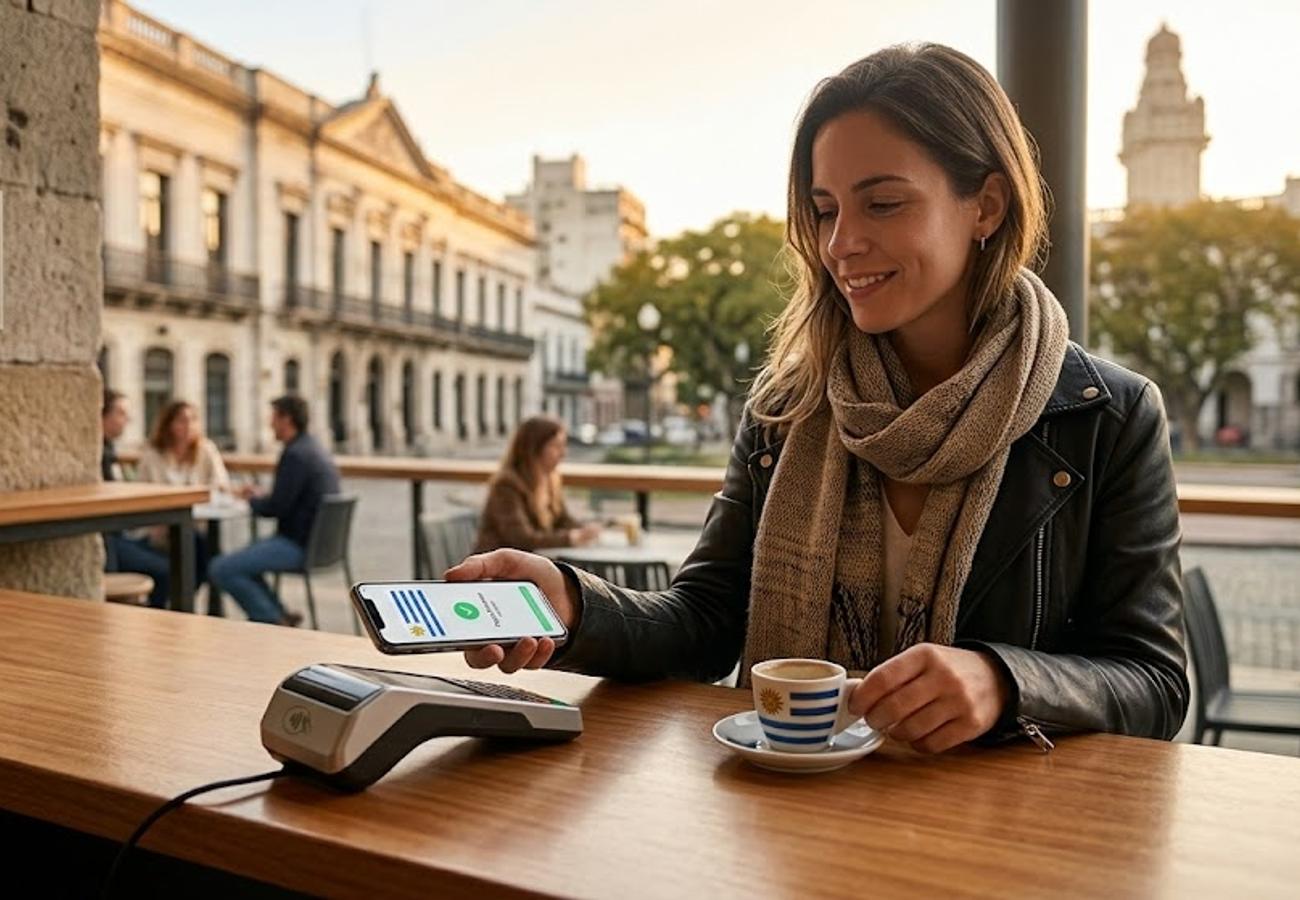
Image generated by AI
While many Latin American markets still rely heavily on cash for local commerce, Uruguay has positioned itself as a regional leader by integrating fintech solutions into its tourism core, with Montevideo now serving as the primary anchor for a nationwide shift toward a cashless visitor economy. This transition is not a singular event but a systemic expansion of electronic payment acceptance designed to reduce friction for international arrivals and align the country with global banking standards.
The Digital Shift in Numbers: Regional Adoption
The transition toward digital tourism in Uruguay is characterized by a tiered rollout. The most sophisticated infrastructure is concentrated in the "International Corridor"—comprising the capital and primary coastal resorts—while secondary destinations are now beginning to integrate into the network.
In Montevideo, the adoption rate is the highest in the country. As the financial and technology center, the city has leveraged its fintech ecosystem to ensure that hotels, museums, and restaurants in areas like Ciudad Vieja and along the Rambla coastline are fully equipped for contactless transactions. This is particularly impactful for cruise passengers who often have limited time for currency exchange and require immediate, secure payment options.
Beyond the capital, Punta del Este has scaled its electronic payment capabilities to cater to high-net-worth visitors from Brazil, Argentina, and North America. In these luxury hubs, the demand for international credit and debit card acceptance is a baseline requirement for the hospitality sector. Meanwhile, the UNESCO-listed heritage site of Colonia del Sacramento has seen a surge in electronic terminal usage, driven largely by the high volume of ferry arrivals from Argentina.
Comparative Context: Uruguay vs. Regional Benchmarks
Uruguay's approach differs from its neighbors by focusing on the integration of fintech platforms, such as dLocal, to bridge the gap between local merchants and international banking networks. By fostering a robust fintech environment, Uruguay is reducing the "payment friction" that often deters high-spending international tourists.
When comparing the digital readiness of Uruguayan destinations, a clear pattern emerges: the more an area relies on international arrivals, the faster the transition to cashless systems.
| Destination | Primary Payment Drivers | Digital Maturity Level | Key Payment Methods |
|---|---|---|---|
| Montevideo | Financial Hub / Cruise Gateway | High | Contactless, Fintech Apps, Int'l Cards |
| Punta del Este | Luxury / Regional Wealth | High | Int'l Credit Cards, Contactless |
| Colonia del Sacramento | Heritage / Ferry Traffic | Medium-High | Electronic Terminals, Online Booking |
| Salto | Thermal Tourism / Regional | Medium | Bank Cards, Electronic Services |
| Rocha / Piriápolis | Nature / Seasonal Beach | Medium-Low | Debit/Credit Cards (Expanding) |
This systemic upgrade is part of a broader movement tracked by organizations like the World Travel & Tourism Council (WTTC), which highlights the correlation between digital payment ease and increased tourist spending. When travelers are not limited by the amount of physical cash they carry, the average transaction value tends to rise.
What This Means for Travelers
For the modern nomad or leisure traveler, the data indicates a significant reduction in the need for bulk currency exchange when visiting Uruguay's primary hubs. However, the "digital divide" between the capital and the rural interior still exists.
Actionable Booking and Travel Advice:
- In Major Hubs (Montevideo, Punta del Este): You can operate almost entirely cashless. Ensure your cards are enabled for international use and contactless payments are active.
- In Heritage and Nature Sites (Colonia, Rocha, Cabo Polonio): While electronic payments are expanding, the adoption in nature tourism and small-scale artisanal shops is slower. Carrying a small reserve of Uruguayan Pesos is still recommended for remote areas like Cabo Polonio or La Paloma.
- Financial Strategy: Utilize cards with no foreign transaction fees. Since Uruguay is integrating more deeply with international networks, the exchange rates provided by digital terminals are often more competitive than airport currency kiosks.
- Timing: If visiting during the peak summer season in Punta del Este, rely on digital payments for hotels and high-end dining, but keep a backup for seasonal pop-up vendors who may not yet have stable internet for their terminals.
Forward Projection: The Path to Total Integration
Based on current trajectories, Uruguay is moving toward a "frictionless tourism" model. The expansion of digital payments into Salto—a city focused on thermal tourism and regional travel—signals that the government and private sector are looking beyond the coastal corridor to digitize the entire interior.
The next phase of this evolution will likely involve the integration of mobile wallets (such as Apple Pay and Google Pay) across all tiers of commerce, including small-scale transport operators and street vendors. As the fintech sector continues to grow, we expect to see more personalized, data-driven tourism offers delivered via payment apps, allowing the state to track spending patterns and optimize tourism infrastructure in real-time.
According to data trends from Statista, the global shift toward cashless payments is accelerating in emerging markets, and Uruguay's proactive stance puts it ahead of many peers in the Southern Cone. This digital infrastructure will likely become a competitive advantage, attracting a younger, tech-savvy demographic of digital nomads and remote workers.
FAQ: Uruguay Digital Tourism 2026
Do I still need to carry cash in Montevideo? While most businesses in the capital accept international cards and contactless payments, carrying a small amount of cash for very small vendors or emergency tips is still a prudent backup.
Which cities have the best cashless infrastructure? Montevideo and Punta del Este are the leaders in digital payment adoption, followed closely by Colonia del Sacramento.
Are international credit cards widely accepted in rural Uruguay? Acceptance is growing in places like Rocha and Salto, but it is not yet universal. In nature-focused destinations, cash remains essential for some local services.
Will the shift to digital payments increase prices for tourists? Not necessarily. Digital payments often provide more transparent exchange rates than physical currency exchanges, potentially saving travelers money on conversion fees.
The transition from leather wallets to digital wallets is no longer a luxury in Uruguay—it is the new standard for the international visitor.
Related Travel Guides
Disclaimer
This article is for informational and educational purposes only. It does not constitute legal, financial, or professional advice. While we strive to provide accurate and up-to-date information, travel policies, regulations, and conditions change rapidly. Always verify information with official sources before making travel decisions. Nomad Lawyer makes no representations about the accuracy, reliability, completeness, or suitability of the information provided. Readers should consult qualified professionals for advice specific to their circumstances. The views expressed in this article are those of the author and do not necessarily reflect the views of Nomad Lawyer.
Raushan Kumar
Founder & Lead Developer
Full-stack developer with 11+ years of experience and a passionate traveller. Raushan built Nomad Lawyer from the ground up with a vision to create the best travel and law experience on the web.
Learn more about our team →