
Wyoming Unveils 2027–2035 Eco-Luxury Tourism Master Plan Across Teton, Casper, and Thermopolis
Wyoming outlines its 2027–2035 tourism master plan, enforcing strict spatial caps in Teton County, Casper's C.H. Bixby Hotel & Thermopolis thermal spas.

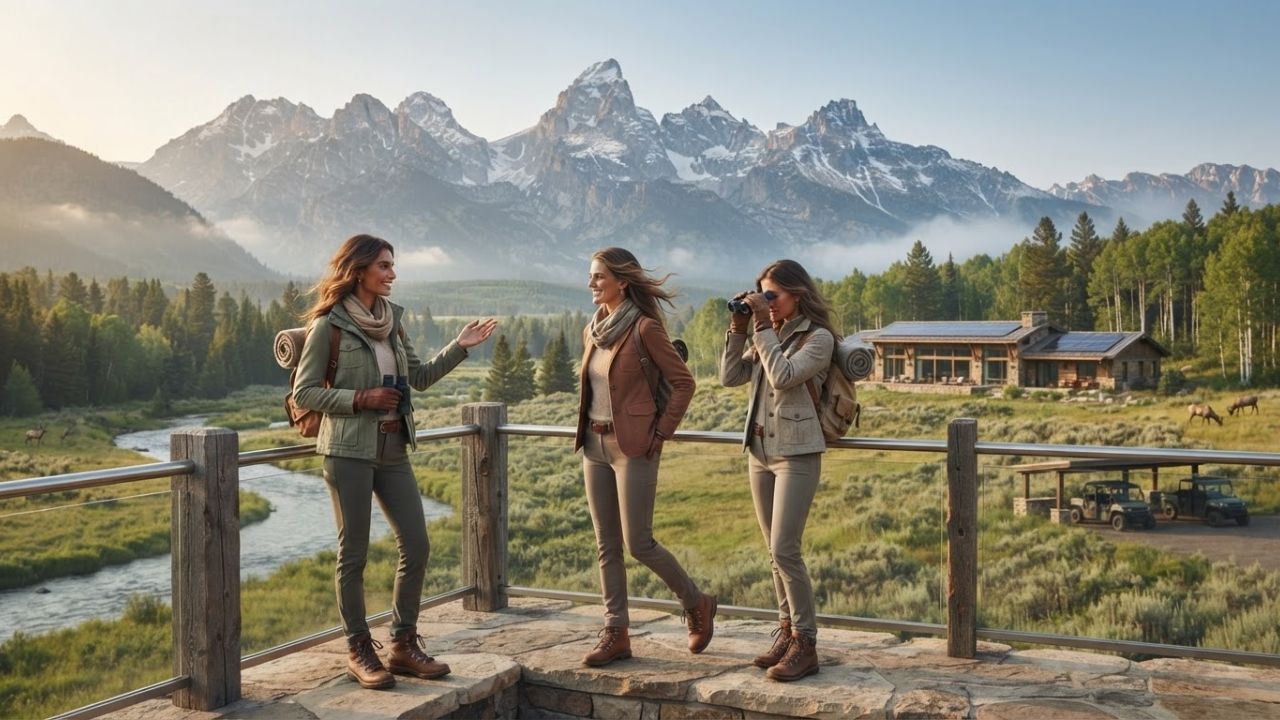
Image generated by AI
Wyoming is executing a statewide 2027–2035 tourism master plan focused on low-density eco-luxury, pairing strict environmental spatial caps in Teton County with state-funded thermal resort buyouts in Thermopolis and boutique heritage restorations in Casper.
CHEYENNE, Wyoming — The State of Wyoming is implementing a long-term hospitality transition between 2027 and 2035, shifting away from mass tourism toward low-density luxury, net-zero environmental concessions, and historic heritage preservation. Driven by strict environmental regulations in Teton County, urban renewal incentives in Natrona County, and legislative buyouts at Hot Springs State Park, the master plan creates a sustainable framework for mountain and gateway communities.
State planning documents highlight that future development will prioritize public-private partnerships, closed-loop utility systems, and wildlife conservation easements to protect Wyoming's natural landscapes while expanding its high-value hospitality economy.
Spatial Caps and Environmental Mandates in Teton Village and Greater Yellowstone
Development across Teton Village and the broader Jackson Hole region operates under strict spatial caps and federal land-use mandates. Within the Bridger-Teton National Forest, Jackson Hole Mountain Resort is pursuing long-term master plan upgrades running through 2030 under U.S. Forest Service Special Use Permits.
These initiatives focus on high-efficiency eco-infrastructure—including advanced water and wastewater treatment facilities, modernized operational buildings, and high-efficiency snowmaking systems engineered to protect local watersheds while maintaining luxury ski-in and ski-out access.
Simultaneously, private residential and lodge positioning across Teton County targets net-zero carbon operations, closed-loop water processing, and reduced vehicular traffic near sensitive wildlife habitats. Building upon standards established by existing properties like the LEED Silver-certified Hotel Terra, upcoming multi-phase luxury suites and private residence clubs are designed to preserve vital migration corridors for elk, moose, and native raptors.
Summary of Wyoming 2027–2035 Regional Eco-Luxury Hospitality Master Plan
The table below outlines the primary development zones, flagship projects, governing agencies, and core environmental mandates forming Wyoming’s 2027–2035 tourism master plan:
| Regional Zone / County | Flagship Hospitality Project | Managing Body / Developer | Core Environmental & Hospitality Mandate |
|---|---|---|---|
| Teton Village (Teton County) | Jackson Hole Master Plan (thru 2030) | US Forest Service & Private Lodges | Spatial caps, net-zero carbon & LEED Silver standards |
| Old Yellowstone District (Casper) | C.H. Bixby Hotel Restoration | Brick & Bond, KAJ Hospitality & Hilton | ~120 luxury rooms, heritage revival & rooftop lounge |
| Thermopolis (Hot Springs County) | Hot Springs State Park Concessions | WY Dept of State Parks & Cultural Resources | Legislative buyout of legacy hotel for eco-thermal spa |
| Alta Zone (Grand Targhee Basin) | South Bowl & Mono Trees Lifts | US Forest Service (Caribou-Targhee) | Low-density alpine lifts, wildlife closures & dark sky rules |
| Snake River Corridor (Jackson Hole) | Snake River Ranch & Sporting Club | Private Landowners & Conservation Easements | Permanent subdivision restrictions & trout habitat protection |
| Pinedale (Sublette County) | Wind River Range Gateway Lodges | Sublette County & Municipal Planning | Off-grid solar, micro-hydro & closed-loop water treatment |
| Rural Counties (Carbon/Sweetwater) | Historic Rail & Mining Hotel Retrofits | WY Office of Tourism & Opportunity Zones | Federal tax incentives & state matching grants for main streets |
Casper's Old Yellowstone District: Historic C.H. Bixby Hotel Boutique Restoration
In Natrona County, the city of Casper is establishing itself as a key urban gateway for boutique hospitality linked to regional heritage. The centerpiece project is the restoration of the historic C.H. Bixby Hotel within the Old Yellowstone District.
Developed by Brick & Bond in partnership with KAJ Hospitality under Hilton’s Tapestry Collection, this multi-million-dollar development features approximately 120 luxury-appointed guestrooms and high-end suites. The design incorporates custom interior architecture honoring central Wyoming's regional rail history and western industrial heritage.
Planned amenities include a signature ground-level restaurant, a specialized coffee bar, flexible event spaces, and a rooftop lounge featuring outdoor hot tubs. Serving as an anchor for the North Platte River corridor, the property demonstrates how urban renewal initiatives can provide upscale accommodations outside traditional mountain resort enclaves.
Legislative Concession Buyouts Transform Thermopolis Thermal Springs
The Bighorn Basin is undergoing a state-managed hospitality overhaul centered around the therapeutic thermal waters of Hot Springs State Park in Thermopolis.
Following legislative appropriations and buyout agreements executed by the Wyoming Department of State Parks and Cultural Resources regarding legacy concessions—such as the former Hot Springs Hotel—the state is preparing for a master concession redevelopment.
Through long-term commercial concession contracts, Wyoming State Parks will introduce high-end, eco-friendly hot springs lodging, modernized mineral bathhouses, and wellness spa facilities. This state-led initiative aims to position Thermopolis as a premier thermal eco-destination while safeguarding public access to natural mineral waters.
Grand Targhee Basin: Balancing Alpine Infrastructure with Wilderness Conservation
Along the western slope of the Teton Range, the community of Alta and the surrounding Grand Targhee resort area represent a key alpine development frontier in Teton County. Governed by the U.S. Forest Service within the Caribou-Targhee National Forest, the region is planning mountain resort infrastructure enhancements through the 2027–2035 horizon.
Proposed master plan upgrades include new lift installations in the South Bowl and Mono Trees areas, designed to streamline winter mountain access while modernizing base facilities. Local planners and federal authorities are prioritizing low-density eco-concessions that integrate into the high-altitude landscape.
Under federal land-use mandates and ongoing environmental impact reviews, all infrastructure developments must incorporate targeted seasonal closures, light pollution controls, and watershed protection measures to safeguard migratory wildlife corridors.
Snake River Ranch Easements and Off-Grid Pinedale Expansion
Running through the heart of the Jackson Hole Valley, the Snake River corridor stands as one of North America's most ecologically vital ecosystems. To prevent urban sprawl, historic working cattle operations like the Snake River Ranch and world-class retreats such as the Snake River Sporting Club have adopted permanent conservation easements.
These legal agreements permanently restrict residential subdivision while permitting legacy agricultural lands to host exclusive, low-density eco-lodges. This land stewardship model protects thousands of acres of open river bottom, critical winter range for elk, and cutthroat trout habitats.
Simultaneously, in Sublette County, the gateway community of Pinedale—located near the Wind River Range—is designating resort-zoned parcels for off-grid eco-lodges. These developments incorporate solar power, micro-hydro systems, and closed-loop wastewater management to operate independently without straining municipal utility networks.
Opportunity Zone Incentives and Heritage Restorations in Rural Counties
State economic policies are also driving heritage restorations across rural Wyoming counties along historic rail and mining routes. Utilizing the Wyoming Office of Tourism Destination Development Program alongside federal Opportunity Zone tax incentives, communities across Carbon County, Sweetwater County, and Natrona County are attracting private investment to restore landmark historic buildings.
These public-private partnerships allow developers to retrofit historic architectural landmarks with modern luxury amenities—including farm-to-table dining, wellness spas, and high-efficiency utility systems—creating year-round employment and boosting local lodging tax revenues.
Why This Matters for Eco-Conscious Travelers and Mountain Communities
For luxury travelers seeking low-impact western experiences, Wyoming’s 2027–2035 master plan guarantees low guest density, net-zero environmental standards, and preserved open wilderness views across Teton, Hot Springs, and Sublette counties.
For local Wyoming taxpayers and rural municipalities, county lodging taxes and state destination grants fund local emergency services, road improvements, and downtown revitalizations without over-burdening municipal budgets.
Furthermore, integrating conservation easements along the Snake River and Caribou-Targhee national forests ensures that high-end hospitality growth actively protects native wildlife habitats and watershed quality.
Traveler Planning Guide for Wyoming's Emerging Eco-Luxury Destinations
Travelers planning visits to Wyoming's emerging eco-resorts and historic boutique hotels should keep these practical recommendations in mind:
- Book Teton Ski Lodging 6 to 12 Months Ahead: Due to strict spatial caps on hotel rooms in Teton Village and Jackson Hole, secure winter ski suites and summer resort bookings well in advance.
- Explore Thermopolis during Shoulder Months: Visit Hot Springs State Park during April, May, or September to experience mineral bathhouses and wellness spas with pleasant weather and lighter visitor volume.
- Discover Historic Casper and Old Yellowstone District: Include Casper in central Wyoming itineraries to experience boutique lodging at the restored C.H. Bixby Hotel along the North Platte River corridor.
- Support Local Conservation Ranches: Choose eco-lodges operating under permanent conservation easements in the Snake River corridor or off-grid properties in Pinedale to support sustainable land stewardship.
FAQ
What is the focus of Wyoming’s 2027–2035 hospitality master plan?
Wyoming's master plan focuses on low-density luxury lodging, historic heritage hotel restorations, state-managed thermal eco-resorts, and strict environmental spatial caps across mountain counties.
How are environmental regulations enforced in Teton Village and Jackson Hole?
Development undergoes review by local county authorities and the U.S. Forest Service, prioritizing net-zero carbon operations, closed-loop wastewater systems, and wildlife corridor protection under Special Use Permits.
What boutique hotel project is anchoring Casper's Old Yellowstone District?
The historic C.H. Bixby Hotel is being developed by Brick & Bond and KAJ Hospitality under Hilton’s Tapestry Collection, offering ~120 luxury rooms and a rooftop lounge.
What redevelopment is occurring at Hot Springs State Park in Thermopolis?
Following state-funded legislative buyouts of legacy hotel concessions, Wyoming State Parks is issuing long-term commercial concession contracts to build modernized mineral bathhouses and eco-friendly spa accommodations.
Related Travel Guides
Disclaimer
This article is for informational and educational purposes only. It does not constitute legal, financial, or professional advice. While we strive to provide accurate and up-to-date information, travel policies, regulations, and conditions change rapidly. Always verify information with official sources before making travel decisions. Nomad Lawyer makes no representations about the accuracy, reliability, completeness, or suitability of the information provided. Readers should consult qualified professionals for advice specific to their circumstances. The views expressed in this article are those of the author and do not necessarily reflect the views of Nomad Lawyer.
Raushan Kumar
Founder & Lead Developer
Full-stack developer with 11+ years of experience and a passionate traveller. Raushan built Nomad Lawyer from the ground up with a vision to create the best travel and law experience on the web.
Learn more about our team →