World's Most Scenic Airports 2026: Where Nature, Culture, and Design Redefine Global Aviation


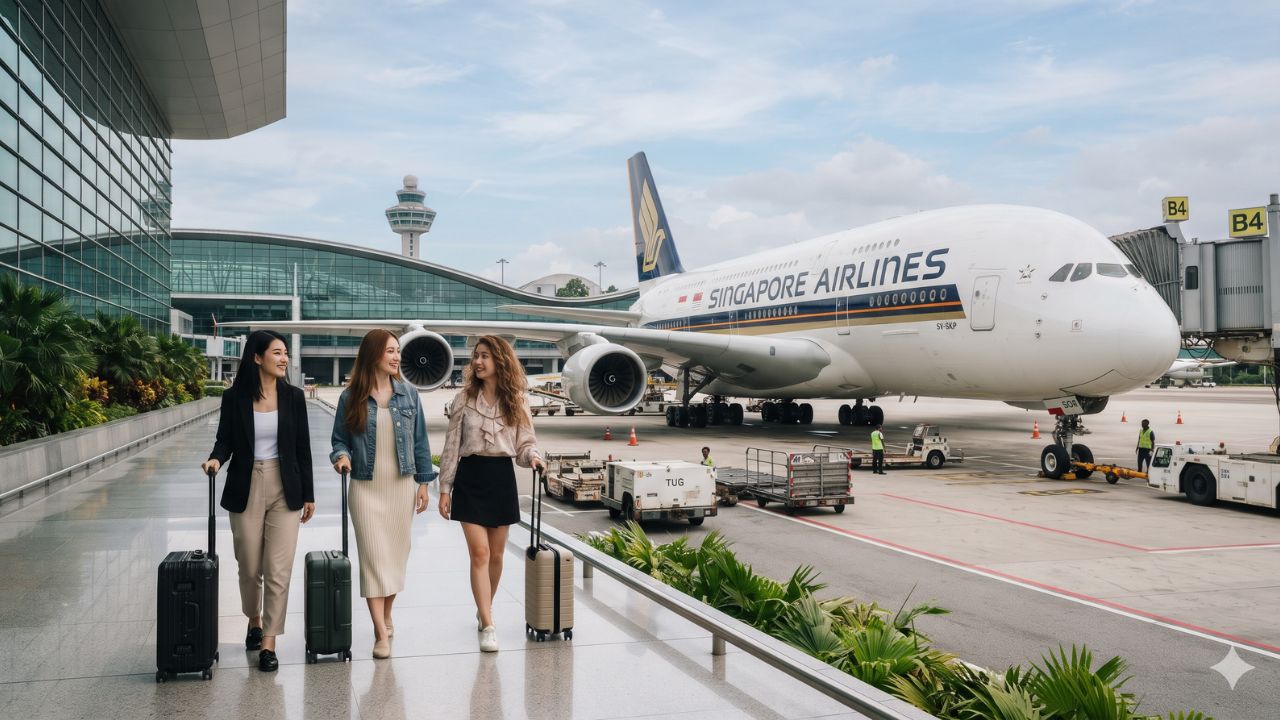
Image generated by AI
A global revolution in airport architecture is turning transit hubs into primary travel destinations, with world-leading terminals integrating 40-meter indoor waterfalls, indigenous art sanctuaries, and Bavarian airport breweries to eradicate layover fatigue. From Singapore Changi’s biophilic rainforest Jewel complex and Hamad International’s 6,000-square-meter indoor Orchard garden to Sint Maarten’s iconic Maho Beach low-level aircraft approaches, visionary aviation design now introduces travelers to a destination’s cultural soul before they ever clear arrival customs.
The Local Trend Revealed: Terminals Reborn as Destination Centers
For decades, international airports were utilitarian holding pens: clinical glass-and-concrete halls focused strictly on passenger throughput, luggage sorting, and perimeter security. Today, an ambitious paradigm shift is transforming aviation infrastructure. Driven by rising passenger expectations and competitive global rankings like the Skytrax World Airport Awards, airport operators increasingly treat terminals as civic landmarks, living botanical reserves, and cultural gateways.
Rather than enduring sterile waiting lounges, modern travelers encounter multi-story indoor forests, monumental museum-grade sculptures, regional gastronomic districts, and panoramic viewing platforms framing dramatic coastal and alpine environments. For long-haul passengers transferring between continents, a multi-hour layover is no longer dead time; it has become an anticipated highlight of the travel itinerary.
| Airport & Code | Country / Territory | Signature Architectural & Natural Feature |
|---|---|---|
| Singapore Changi (SIN) | Singapore | 40m indoor Rain Vortex waterfall, Shiseido Forest Valley, Jewel botanical complex |
| Hamad International (DOH) | Qatar | 6,000m² indoor Orchard tropical garden, monumental Urs Fischer art installations |
| Vancouver International (YVR) | Canada | Coastal mountain panoramas, Musqueam Indigenous cedar totem poles, living reef aquarium |
| Istanbul Airport (IST) | Türkiye | Transcontinental mega-hub design, tulip-inspired tower, Turkish architectural arches |
| Tokyo Haneda (HND) | Japan | Edo Koji historic marketplace, Nihonbashi wooden bridge replica, downtown monorail links |
| Hong Kong International (HKG) | Hong Kong | Reclaimed sea platform, South China Sea vistas, Lantau Island mountain backdrop |
| Munich Airport (MUC) | Germany | Munich Airport Center (MAC) Forum, on-site Airbräu craft brewery and open-air beer garden |
| Cape Town International (CPT) | South Africa | Dramatic Table Mountain backdrop, gateway to Atlantic vineyards and marine wildlife |
| Princess Juliana (SXM) | Sint Maarten | World-famous low-altitude widebody aircraft approaches directly over Maho Beach |
Cultural & Environmental Value: Architecture That Celebrates Place
For the visitor, the real impact of scenic airport design is an immediate, visceral connection to local heritage. Instead of feeling anonymous, world-class terminals embody the natural and cultural spirit of their homelands.
Biophilic Wonder: Singapore Changi's Jewel Complex
Singapore Changi has repeatedly captured global top honors by demonstrating how nature and aviation can converge. At its core sits the Jewel, a 135,700-square-meter toroidal glass-and-steel dome connecting Terminals 1, 2, and 3. The centerpiece is the HSBC Rain Vortex, cascading 40 meters (130 feet) through a circular oculus, fed by harvested tropical rainwater. Surrounding the cascade is the four-story Shiseido Forest Valley, containing more than 2,000 trees and palms and 100,000 shrubs. The lush indoor microclimate lowers ambient temperatures naturally while providing travelers with peaceful walking trails amidst misting foliage.
Desert Modernism and Curated Art: Hamad International Doha
In Doha, Hamad International Airport (DOH) synthesizes futuristic design with Arabian hospitality. Its showpiece, The Orchard, is a 6,000-square-meter indoor tropical biosphere sheltered beneath a column-free glass canopy, housing over 300 trees and 25,000 plants sourced from sustainable nurseries worldwide. Surrounding this botanical haven are museum-grade art commissions, including Urs Fischer’s playful 23-foot bronze Lamp Bear and KAWS sculptures, establishing the terminal as an international modern art museum accessible to any transit passenger.
Experience the intersection of nature and aviation by visiting the Jewel Changi Airport botanical complex in Singapore.
First Nations Heritage and Coastal Ecology: Vancouver (YVR)
Vancouver International Airport provides one of the aviation world's finest integrations of indigenous culture. Situated on Sea Island within the traditional territory of the Musqueam First Nation, YVR greets arriving travelers with towering hand-carved cedar welcome figures by Susan Point and Bill Reid’s legendary masterpiece, The Spirit of Haida Gwaii: The Jade Canoe. Expansive floor-to-ceiling glass apertures frame snow-dusted Coast Mountains and the Salish Sea, while a 114,000-liter indoor marine aquarium showcases native British Columbia rockfish, sea stars, and anemones.
Historical Nostalgia Meets Precision: Tokyo Haneda (HND)
Positioned mere minutes from central Tokyo, Haneda blends surgical operating efficiency with historical craftsmanship. Terminal 3 features Edo Koji, a street market reconstructed with authentic timber joinery evoking Tokyo's 17th-century merchant quarters. Passengers cross a half-scale cedar replica of the historic Nihonbashi Bridge while savoring authentic ramen and sushi, connecting directly with Japan’s Edo heritage before flight departure.
The Caribbean Approach Spectacle: Princess Juliana (SXM)
On the Caribbean island of Sint Maarten, Princess Juliana International Airport transforms aviation into an open-air public spectacle. Aircraft descending toward Runway 10 skim just dozens of feet above the turquoise waters and white sands of Maho Beach. Sunbathers gather along the shoreline to feel the sensory rush of approaching jetliners, creating an iconic synthesis of aviation and tropical tourism found nowhere else on earth.
Community & Eco-Focus: Sustainable Infrastructure and Indigenous Partnerships
Modern scenic airports increasingly champion sustainability alongside visual splendor:
- Passive Climate Control: Terminals like Jewel Changi and Hamad's Orchard use intelligent, double-glazed architectural glass to block solar heat while flooding interior foliage with natural daylight, significantly reducing terminal air conditioning and lighting loads.
- Rainwater Conservation: Changi’s Rain Vortex runs entirely on harvested rainwater, utilizing overflow reservoirs for landscape irrigation and terminal sanitation plumbing.
- First Nations Economic Sovereignty: Vancouver International Airport operates under a landmark 30-year Friendship Agreement with the Musqueam First Nation. The pact guarantees shared airport economic revenue, educational scholarships, and career pathways, ensuring tourism growth directly strengthens local indigenous communities.
- Airport Craft Brewing: Munich Airport’s Airbräu crafts beers using local Bavarian hops and barley adhering strictly to the 1516 Reinheitsgebot (German Purity Law), eliminating long-distance beverage haulage emissions while celebrating local agricultural heritage.
Visitor Insider Tips: Navigating the World's Best Terminals
Maximizing an airport layover requires strategic timing, operational awareness, and localized savvy:
Stay updated on the latest global aviation standards and passenger experience rankings via the Skytrax World Airport Awards.
- Changi Rain Vortex Light Shows: If transiting through Singapore Changi in the evening, head to the Jewel viewing terraces between 8:00 PM and 9:00 PM for the choreographed music-and-light projection show across the waterfall. For peaceful exploration, visit before 9:00 AM before local shopping crowds arrive.
- Free Singapore City Tours: If your Changi layover exceeds 5.5 hours, register at the Free Singapore Tour desks in Terminals 2 and 3 for a complimentary 2.5-hour guided heritage excursion into Chinatown, Little India, or Marina Bay without paying for visa transit transport.
- Munich Airbräu Bavarian Rituals: Located in the central open-air MAC Forum between Terminals 1 and 2, Airbräu serves fresh, unpasteurized Helles and Weißbier alongside traditional Weißwurst (white veal sausages) and freshly baked pretzels at standard street-side Bavarian prices rather than inflated airport rates.
- Haneda Observation Deck Sunsets: For photographers, Haneda's rooftop observation deck in Terminal 3 provides sweeping, panoramic views of departing Boeing 787s with Tokyo Bay and Mount Fuji silhouetted in the distance during crisp winter sunsets.
- Sint Maarten Maho Beach Safety Warning: While watching planes land over Maho Beach is an exhilarating thrill, never stand directly behind widebody jet engines during takeoff. Jet blast from departing aircraft can exceed 100 mph, hurling sand and loose debris; enjoy the show safely from the open-air deck of the adjacent Sunset Bar & Grill.
Tourism Outlook: The Rise of the Aerotropolis
The evolution of scenic airports signals the dawn of the "aerotropolis"—integrated urban centers where air connectivity, commercial trade, cultural entertainment, and eco-tourism converge. Future airport expansions under construction across Asia, the Middle East, and Europe increasingly prioritize biophilic microclimates, wellness spas, digitized art galleries, and direct high-speed rail connections.
As the lines between transit hub and cultural destination blur, airports are no longer merely stepping stones on a journey. They have become the first chapter of the traveler's adventure, inspiring wonder and leaving an indelible impression long before the wheels touch the final runway.
Frequently Asked Questions
Can transit passengers visit Singapore Changi's Jewel without passing through immigration?
No. Jewel is located landside, connected to Terminals 1, 2, and 3 by covered pedestrian walkways. Passengers must clear Singapore immigration to visit Jewel. However, travelers with qualifying passports can use automated biometric lanes, and free luggage storage is available inside the complex.
Is the indoor tropical garden at Hamad International Airport free to access?
Yes. The Orchard is located airside in the Central Concourse of Hamad International Airport, fully accessible to all international departing and transit passengers free of charge.
How much layover time is needed to enjoy Vancouver Airport's Indigenous art and aquarium?
Because YVR's totem poles, jade canoe sculptures, and marine aquarium are located within the domestic and international departures concourses, passengers with layovers as short as 60 to 90 minutes can easily explore these exhibits while walking between gates.
Explore the unique coastal landscapes and aviation thrills of the Caribbean through the Sint Maarten Tourism Board.
Where is the best place to safely watch aircraft landings at Sint Maarten?
The beachfront at Maho Beach and the open-air patio at the Sunset Bar & Grill offer the best and safest viewing vantage points for low-flying aircraft approaching Princess Juliana International Airport.
FAQ: World's Most Scenic Airports 2026: 2026
Which airport is famous for the world's tallest indoor waterfall? Singapore Changi Airport is home to the Rain Vortex, a 40-meter indoor waterfall located within the Jewel complex, blending high-tech architecture with lush biophilic design.
What makes Princess Juliana International Airport (SXM) unique? SXM is globally renowned for its low-altitude aircraft approaches, where widebody planes fly directly over Maho Beach, offering a thrilling spectacle for beachgoers and aviation enthusiasts.
Can you visit attractions at these airports without a boarding pass? Many scenic hubs, such as Singapore's Jewel or Munich's Airbräu brewery, feature public-access zones that allow non-travelers to enjoy the architecture, dining, and nature reserves.
How are modern airports reducing "layover fatigue"? Airports are integrating "destination centers" featuring indoor gardens, art galleries, and cultural marketplaces to transform sterile waiting areas into engaging environments that reduce traveler stress.
Related Travel Guides
This article is for informational purposes. Flight routes, passenger regulations, visa rules, and transit advisories are subject to change by airlines and aviation authorities. Readers are advised to verify schedules and travel documentation with relevant carriers and border agencies before departure.
Related Stories
Singapore Airlines Provisionally Schedules Airbus A380 Return to Hong Kong for Winter 2027: Travel Guide

Warm US Winter Travel Guide 2026–2027: Nine Sunshine Escapes from the Florida Keys to Hawaii