
World's Most Dangerous Coastal Destinations: Balancing High-Risk Adventure and Tourism in 2026
Explore the intersection of breathtaking beauty and extreme natural hazards across 10 global coastlines, from Namibia's Skeleton Coast to the nuclear legacy of Bikini Atoll.

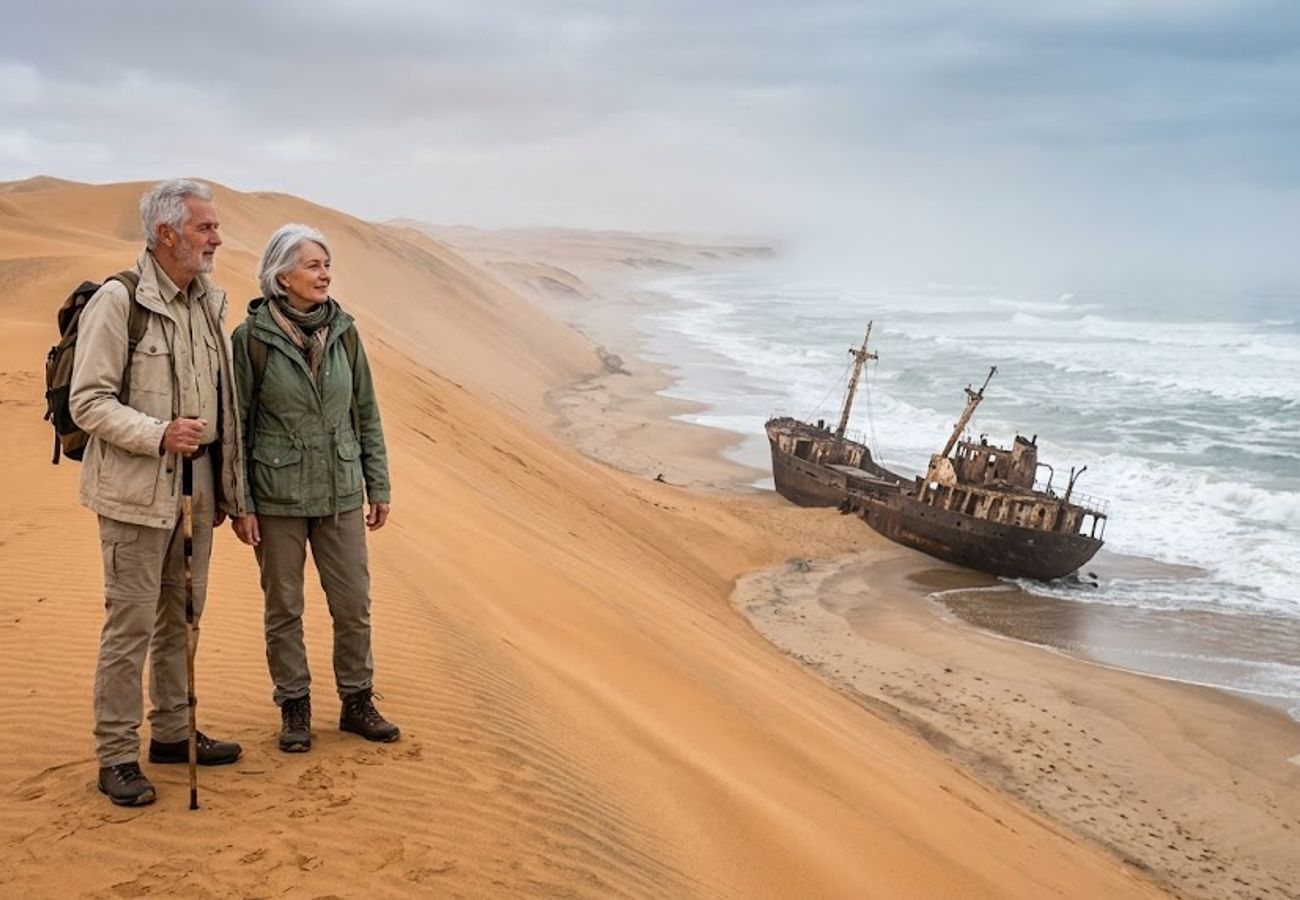
Image generated by AI
Some of the planet's most visually stunning coastlines are also its most lethal. From apex predators and volcanic instability to nuclear remnants, these high-risk zones attract a specific breed of traveler who prioritizes raw nature over safety.
The allure of the "forbidden" or the "extreme" continues to drive global tourism trends. While these environments present objective dangers—such as violent rip currents or venomous wildlife—the development of professional guiding services and regulated eco-tourism has made these once-impenetrable regions accessible to the modern adventurer.
High-Risk Coastal Profiles: Where Beauty Meets Danger
The following destinations represent the extreme end of the travel spectrum, where the environment dictates the terms of the visit.
The Arid and the Volcanic
In Namibia, the Skeleton Coast earns its "Gates of Hell" moniker through a combination of dense Atlantic fog and shifting dunes that have claimed countless ships. Spanning approximately 500 kilometers, it is now a hub for luxury fly-in safaris and 4x4 expeditions.
Hawaii hosts two distinct types of coastal danger. At Hanakapiai on Kauai’s Nā Pali Coast, massive shore breaks and rip currents make the water a death trap, though the Kalalau Trail remains a premier global trekking destination. Meanwhile, the Kilauea Black Sand Coast offers a glimpse into geological volatility, where active volcanic activity creates unstable lava formations and unpredictable ocean temperatures.
Apex Predator Hotspots
Certain regions are defined by the wildlife that patrols their waters:
- Gansbaai, South Africa: Known as "Shark Alley," this region is a global center for Great White Shark activity, drawing photographers and cage divers.
- New Smyrna, Florida: Often labeled the "Shark Bite Capital of the World," this area sees frequent encounters with spinner and blacktip sharks, yet remains a top surfing destination.
- Cape Tribulation, Australia: A unique intersection where the Daintree Rainforest meets the Great Barrier Reef. Visitors must contend with saltwater crocodiles, box jellyfish, and the aggressive cassowary.
Cultural and Historical Anomalies
Some risks are man-made or rooted in folklore. Bikini Atoll in the Marshall Islands is a sobering reminder of the Cold War, having hosted 23 nuclear tests between 1946 and 1958. Today, it is a high-end technical diving site where the wreck of the USS Saratoga attracts underwater archaeologists.
In contrast, Dumas in Gujarat, India, is defined by its black sands and local ghost stories. While king cobras are an occasional hazard, the site is primarily a center for sunset viewing and street food.
The Unpredictable Wilds
K’gari (Fraser Island), the world’s largest sand island, presents a multifaceted risk profile involving wild dingoes, unpredictable tides, and venomous jellyfish. Despite this, its 75-Mile Beach remains a bucket-list destination for specialized vehicle convoys. Similarly, Playa Zipolite in Mexico, nicknamed the "Beach of the Dead" due to its powerful undertows, has transitioned into a haven for surfing and artistic communities.
Comparative Risk and Attraction Analysis
| Destination | Primary Hazard | Primary Attraction | Unique Identifier |
|---|---|---|---|
| Skeleton Coast | Fog, Currents, Desert Climate | Shipwrecks, Luxury Safaris | 500km of Atlantic coastline |
| Hanakapiai | Deadly Rip Currents | Kalalau Trail Hiking | Nā Pali Coast emerald cliffs |
| Gansbaai | Great White Sharks | Cage Diving, Marine Safaris | High shark concentration |
| Cape Tribulation | Crocodiles, Box Jellyfish | Rainforest & Reef Eco-tourism | Dual UNESCO World Heritage site |
| Playa Zipolite | Strong Undertows | Surfing, Artistic Community | Known as "Beach of the Dead" |
| Kilauea Coast | Volcanic Activity, Lava | Basalt Landscapes, Sea Turtles | Active geological forces |
| K’gari | Dingoes, Tides, Jellyfish | Freshwater Lakes, 75-Mile Beach | World's largest sand island |
| New Smyrna | Blacktip/Spinner Sharks | Surfing, Coastal Culture | Shark Bite Capital of the World |
| Dumas | King Cobras, Folklore | Black Sands, Local Street Food | Mysterious reputation/Ghost stories |
| Bikini Atoll | Nuclear Legacy, Sharks | WWII Shipwrecks (USS Saratoga) | Site of 23 nuclear tests (1946-58) |
Essential Gear for Extreme Coastal Travel
Visiting these regions requires more than standard luggage. To mitigate risk, travelers should prioritize:
- Navigation & Safety: GPS-enabled devices and emergency communication tools for remote areas like the Skeleton Coast.
- Protection: Reef-safe sunscreen and polarized sunglasses to combat intense coastal glare.
- Footwear: Sturdy, closed-toe hiking shoes for volcanic rock or rainforest treks.
- Hydration: High-capacity drinking water systems, especially in arid zones.
Key Takeaways for the Modern Traveler
- Expert Mediation: The safest way to experience these sites is through professionally managed operators (e.g., guided 4x4 tours in Namibia or technical dive masters in the Marshall Islands).
- Environmental Respect: Danger is often a byproduct of pristine, undisturbed ecosystems. Following local regulations is not just about safety, but preservation.
- Preparation over Luck: Understanding tide charts, volcanic alerts, and wildlife migration patterns is the difference between a successful adventure and a disaster.
Common Questions About High-Risk Tourism
Are these destinations actually safe for the average tourist? Yes, provided you remain in designated visitor zones and adhere to the instructions of certified guides and park authorities.
Which of these is best for a wildlife-focused itinerary? Gansbaai is the top choice for marine predators, while Cape Tribulation and the Skeleton Coast offer the best terrestrial wildlife experiences.
Is it possible to visit without risking injury? Absolutely. Most of these locations have developed "safe-access" infrastructure, such as boardwalks, professional diving cages, and guided convoys, that remove the traveler from direct danger.
Adventure is the reward for those who respect the boundaries of the wild.
Related Travel Guides
Disclaimer
This article is for informational and educational purposes only. It does not constitute legal, financial, or professional advice. While we strive to provide accurate and up-to-date information, travel policies, regulations, and conditions change rapidly. Always verify information with official sources before making travel decisions. Nomad Lawyer makes no representations about the accuracy, reliability, completeness, or suitability of the information provided. Readers should consult qualified professionals for advice specific to their circumstances. The views expressed in this article are those of the author and do not necessarily reflect the views of Nomad Lawyer.
Preeti Gunjan
Contributor & Community Manager
A passionate traveller and community builder. Preeti helps grow the Nomad Lawyer community, fostering engagement and bringing the reader experience to life.
Learn more about our team →