
Heritage Meets High-Octane Adventure: How Charleston, Santa Fe, and St. Augustine Redefine US Travel in 2026

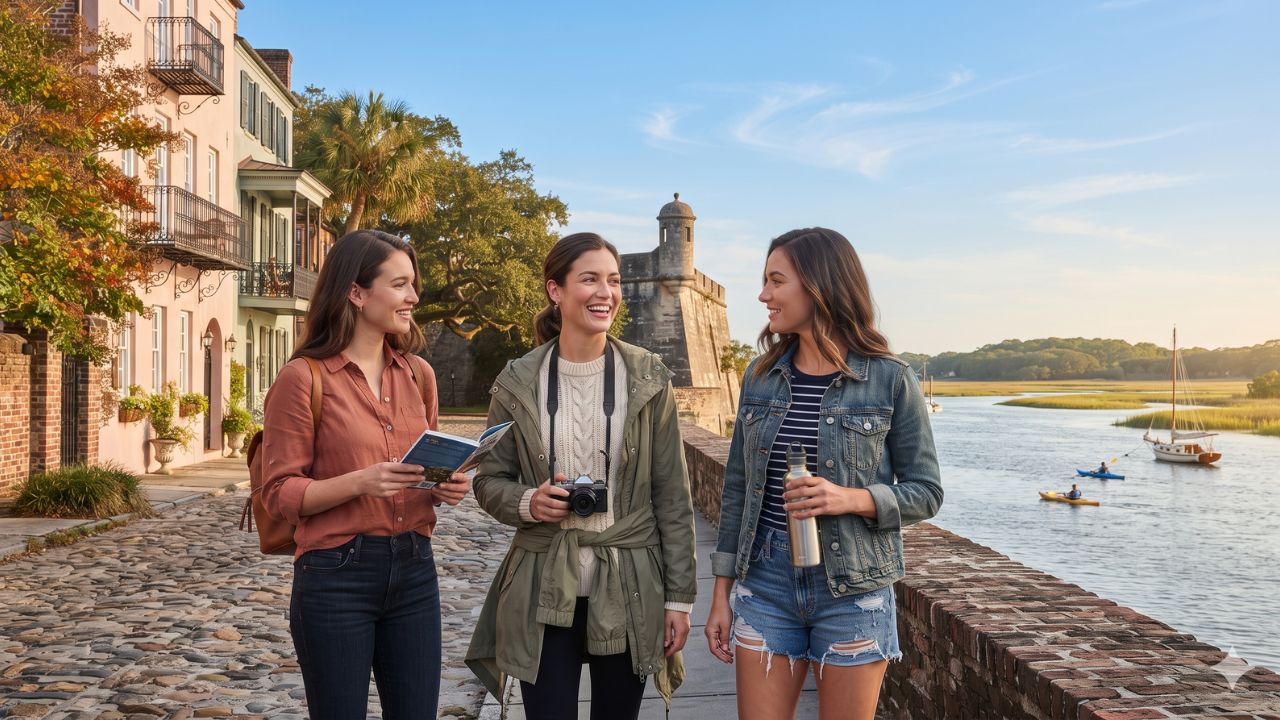
A 28% surge in guided tidal-marsh kayaking and coastal wildlife expeditions in St. Augustine highlights a structural shift across America's oldest urban settlements as heritage preservation merges with outdoor recreation in late 2026. Passive museum touring is increasingly giving way to hybrid itineraries where travelers pair 17th-century masonry fortifications, antebellum residential grids, and colonial walking trails with open-ocean sailing, alpine mountain biking, and estuarine exploration.
This travel evolution spans five distinguished heritage hubs—St. Augustine, Charleston, Santa Fe, Savannah, and Boston. Supported by multi-million-dollar preservation grants from the National Park Service (NPS) and policy frameworks coordinated with the U.S. Department of the Interior, municipal authorities are expanding greenway corridors, eco-friendly maritime docking facilities, and wildlife buffer zones that link historic town cores directly to protected wilderness reserves.
Five Flagship Enclaves Pairing Architecture With Wilderness
The convergence of historical preservation and outdoor sports reflects targeted municipal investments that turn geographic setting into an active travel asset.
In Florida, St. Augustine—the oldest continuously occupied European settlement in the continental United States—anchors its maritime history at the 17th-century Castillo de San Marcos. Built of coquina stone, the fortress oversees the convergence of the Matanzas River, Tolomato River, and the Atlantic Ocean. While historic bastions draw hundreds of thousands of architecture enthusiasts, paddleboarders and kayakers navigate tidal creeks sheltering bottlenose dolphins and manatees under state wildlife management permits.
In South Carolina, Charleston claimed the #1 ranking among Top Small Cities in the United States in the 2026 travel awards. Known for pastel-hued townhomes and ironwork gates across the French Quarter, municipal tourism data shows heritage visitors now average 4.2 days per stay. Coastal positioning makes the harbor city an active center for deep-sea sportfishing and tidal kayaking, with the city serving as a host hub for federal commemorative regattas and maritime heritage cruises throughout 2026.
In the high desert of New Mexico, Santa Fe holds the #3 small-city ranking, centered on the historic Santa Fe Plaza and the 1610 Palace of the Governors—the oldest continuously occupied public building in the United States. Situated at an elevation exceeding 7,000 feet, the city provides direct trailheads into the Sangre de Cristo Mountains, where hikers, backcountry equestrians, and mountain bikers navigate the Dale Ball Trails beneath 12,000-foot peaks before winter skiers descend on the Santa Fe Ski Basin.
Further south, Savannah preserves James Oglethorpe's original 1733 urban grid across 22 shaded garden squares. Yet beyond cobblestone river streets and restored cotton warehouses, visitors access the mouth of the Savannah River, where ecotourism operators lead kayak expeditions through coastal marshlands to monitor loggerhead sea turtle nesting zones around Tybee Island.
In the Northeast, Boston anchors the Freedom Trail—a 2.5-mile red-brick corridor leading through 16 Revolutionary War landmarks, including the Massachusetts State House, Old North Church, and the USS Constitution. The historic harbor operates as a gateway to the Boston Harbor Islands National and State Park for backcountry camping, while marine safaris access the Stellwagen Bank National Marine Sanctuary for whale watching, and the Charles River Esplanade accommodates sculling and rowing.
Comparative Metrics: Heritage Infrastructure and Adventure Assets
The five cities illustrate how distinct historical epochs pair with specialized outdoor adventure sectors.
| Historic City & State | National Ranking & Heritage Metric | Founding Era & Architectural Focus | Primary Ecological Assets | Core Adventure Activities |
|---|---|---|---|---|
| St. Augustine, Florida | Oldest European settlement in US; 28% eco-tour growth | 1565 Spanish Colonial; 17th-century Castillo de San Marcos | Matanzas & Tolomato Rivers, Atlantic barrier beaches | Brackish kayaking, paddleboarding, dolphin watching, coastal dune hikes |
| Charleston, South Carolina | #1 Top Small City in US (2026); 4.2-day average stay | 1670 British Colonial; French Quarter antebellum & Georgian | Charleston Harbor, barrier island estuaries, Atlantic shelf | Offshore sportfishing, coastal regatta sailing, marshland sea kayaking |
| Santa Fe, New Mexico | #3 Top Small City; 1610 Palace of the Governors | 1610 Spanish & Pueblo; adobe architecture regulations | Sangre de Cristo Mountains, US Forest Service wilderness | High-altitude hiking, Dale Ball mountain biking, alpine skiing |
| Savannah, Georgia | 22 historic garden squares; 1733 Oglethorpe urban grid | 1733 British Colonial; Victorian, Gothic, and Federal mansions | Savannah River delta, coastal salt marshes, Tybee Island | Estuary kayaking, dolphin-watching catamarans, barrier island cycling |
| Boston, Massachusetts | 2.5-mile Freedom Trail; 16 Revolutionary War sites | 1630 Puritan / Revolutionary; Federal & Georgian brickworks | Boston Harbor, Charles River, Stellwagen Bank Sanctuary | Harbor island primitive camping, ocean whale watching, river rowing |
Official tourism promotions coordinated through regional agencies like Explore Charleston confirm that packaging historical walking passes with guided water sports expands overall visitor yields while distributing foot traffic outside fragile colonial quarters.
Conservation Policy, Carrying Capacities, and Smart Infrastructure
Managing large visitor flows across historic and ecological zones requires stringent regulatory oversight:
- Zoning and Pavement Protection: In St. Augustine and Savannah, municipal ordinances restrict heavy commercial coaches on historic brick and cobblestone streets, redirecting tourists toward electric shuttles and pedestrian corridors.
- Marine Sanctuary Permitting: Commercial boat charters operating out of Boston Harbor and St. Augustine must secure federal and state wildlife permits that enforce minimum approach distances for marine mammals.
- Leave-No-Trace Trail Management: In Santa Fe, the US Forest Service collaborates with local trail coalitions to implement rotating trail closures across the Sangre de Cristo foothills, preventing soil erosion along high-altitude mountain bike tracks.
Public-private partnerships (PPPs) have become the primary funding mechanism for sustainable infrastructure, combining municipal tax bonds with conservation trusts to expand waterfront greenways and install real-time crowd-monitoring sensors.
Expert Analysis: The Economics of the Dual-Purpose Itinerary
The rise of heritage-adventure tourism reflects an economic restructuring of domestic leisure travel.
For travelers booking these routes, the direct consequence is longer, higher-spend vacations that justify rising lodging costs. Rather than taking separate weekend trips for cultural sightseeing and wilderness recreation, visitors combine them into four-to-seven-day multi-activity stays. In Charleston, where average visitor duration has climbed to 4.2 days, travelers spend mornings studying antebellum architecture and afternoons chartering coastal sailing craft.
The pricing pressure this creates means boutique hotel and bed-and-breakfast inventory within central historic districts commands sustained peak-season premiums. In cities like Santa Fe and Savannah, properties with direct walking access to historic squares or mountain shuttles maintain high occupancy rates year-round. Travelers seeking affordability must book peripheral accommodations linked to downtown via greenway cycling networks.
Furthermore, outfitter integration provides economic insulation for small businesses. Independent outfitters, bicycle rental shops, and kayak guides in coastal Georgia and Florida report steady shoulder-season revenue by catering to active cultural travelers. This dual revenue model prevents the seasonal boom-and-bust cycles that historically afflicted single-focus resort towns.
Key Takeaways
- Heritage-Adventure Synthesis: St. Augustine, Charleston, Santa Fe, Savannah, and Boston lead a national trend pairing architectural preservation with active outdoor recreation.
- Top National Rankings: Charleston captured the #1 spot for Top Small Cities in the 2026 travel awards, while Santa Fe secured the #3 position with its 1610 Palace of the Governors.
- St. Augustine Eco Surge: Participation in guided kayak and estuarine wildlife tours in St. Augustine grew by 28% in 2026, centering on the Matanzas and Tolomato Rivers.
- Federal Preservation Backing: The National Park Service and Department of the Interior administer targeted grants to protect historic fortifications and mountain trail corridors.
- Economic Duration Expansion: In Charleston, heritage-adventure travelers average 4.2 days per visit, generating higher hospitality, dining, and outfitter spending.
FAQ: Historic US Cities Adventure Tourism 2026
What is driving the growth of adventure tourism in historic US cities?
Travelers increasingly seek active itineraries that combine cultural education and historic architecture with hiking, kayaking, marine wildlife watching, and mountain biking.
How old is the Palace of the Governors in Santa Fe?
Constructed in 1610, the Palace of the Governors in Santa Fe is the oldest continuously occupied public building in the United States.
Can visitors kayak near the historic district in St. Augustine?
Yes. Guided kayak and paddleboard excursions operate throughout the Matanzas and Tolomato Rivers surrounding the 17th-century Castillo de San Marcos.
What outdoor activities are available near Boston's Freedom Trail?
Beyond the 2.5-mile walking route, visitors can row or kayak along the Charles River, camp on the Boston Harbor Islands, or take whale-watching cruises to Stellwagen Bank.
Related Travel Guides
- Día de los Muertos 2026 Destinations Guide: Mexico and the United States
- Carson City Autumn Events and Nevada Day Statehood Parade Guide 2026
- Historic US Cities Outdoor Adventure Tourism Guide Reddit 2026
By linking ancient masonry walls with wild ocean estuaries and alpine peaks, America's historic cities prove that true exploration lives where heritage meets the horizon.
Disclaimer
This article is for informational and educational purposes only. It does not constitute legal, financial, or professional advice. While we strive to provide accurate and up-to-date information, travel policies, regulations, and conditions change rapidly. Always verify information with official sources before making travel decisions. Nomad Lawyer makes no representations about the accuracy, reliability, completeness, or suitability of the information provided. Readers should consult qualified professionals for advice specific to their circumstances. The views expressed in this article are those of the author and do not necessarily reflect the views of Nomad Lawyer.
Naina Thakur
Contributor & Travel Specialist
Travel enthusiast and legal writer covering visa regulations, responsible tourism, and cultural journeys across global destinations.
Learn more about our team →