
Myrtle Beach South Carolina: Hidden European Chapel Ruins Within an Hour
Discover an abandoned European-inspired chapel ruin hidden just an hour from Myrtle Beach South Carolina in 2026. This off-the-beaten-path destination offers nomadic travelers a haunting architectural experience and unique photography opportunities.

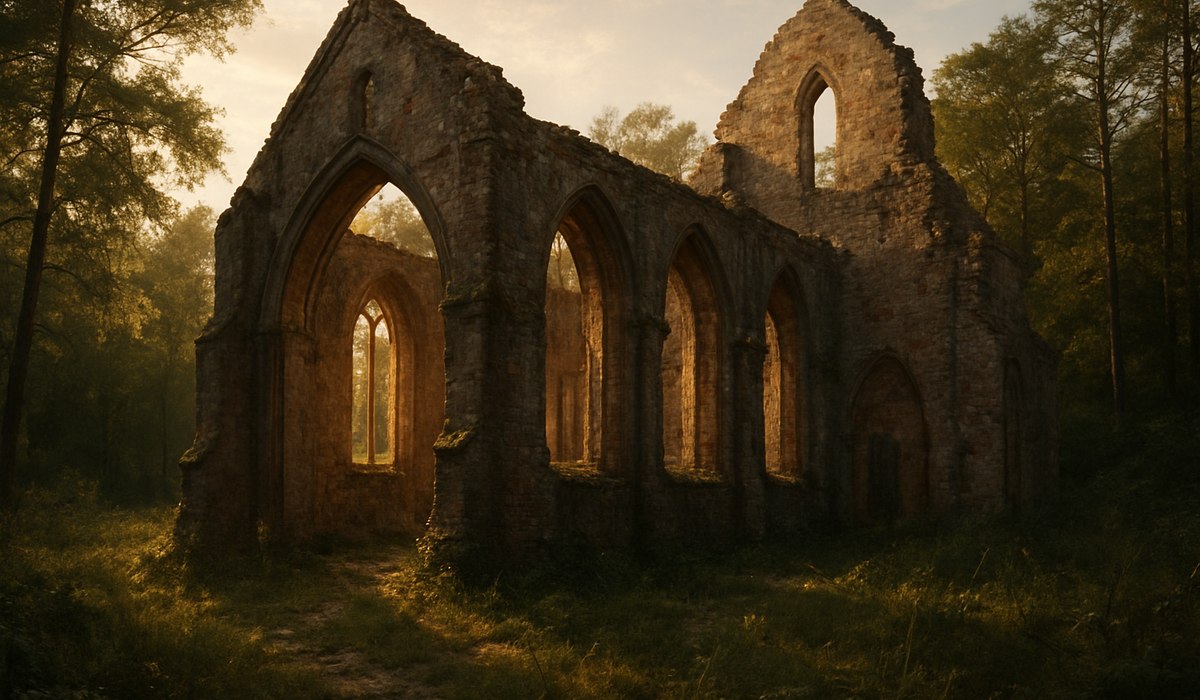
Image generated by AI
An Unexpected European Escape Near Myrtle Beach South
While Myrtle Beach South Carolina draws millions of visitors annually for its sandy shores and boardwalk attractions, a remarkable hidden gem awaits discovery just one hour inland. An abandoned chapel ruin with distinctly European architectural elements offers nomadic travelers and off-the-beaten-path enthusiasts a haunting, contemplative experience that contrasts sharply with the region's typical beach-resort offerings. This 2026 travel season, adventurous explorers are increasingly venturing beyond Myrtle Beach's commercial zones to uncover this architectural treasure—a destination that rewards curious visitors with stunning photography opportunities and a tangible connection to the Carolinas' layered history.
Location & Getting There
The chapel ruin sits inland from Myrtle Beach South, nestled within South Carolina's Low Country landscape. The drive takes approximately 50 to 70 minutes depending on exact starting coordinates and traffic patterns along US-17 and local highways. From central Myrtle Beach, travelers should head inland toward Georgetown County or the surrounding rural Carolina communities. GPS coordinates and landmark navigation are essential, as the chapel remains unmarked by official tourism signage.
The site is accessible via standard vehicle on paved and unpaved roads. However, local knowledge proves invaluable—checking with the Myrtle Beach Area Chamber of Commerce or South Carolina tourism resources before departure ensures current access conditions. Several local tour operators now offer guided excursions to the chapel ruin, combining the visit with broader Low Country cultural experiences.
History of the Chapel Ruin
This European-inspired structure represents a fascinating chapter in South Carolina's architectural and cultural narrative. Built in an era when wealthy settlers and religious communities sought to recreate Old World aesthetics on American soil, the chapel embodies romantic Revival architectural principles popular during the 19th and early 20th centuries. Its Gothic or Romanesque design elements—peaked arches, ornamental stonework, and surviving wall fragments—transport visitors across the Atlantic without leaving Carolina's interior.
Over decades, abandonment and exposure to the subtropical climate transformed the once-grand structure into atmospheric ruins. Nature has reclaimed portions of the building, with climbing vines and weathered masonry creating an ethereal, almost melancholic beauty. The chapel remains a testament to faded ambitions and forgotten communities, making it a profoundly moving destination for history enthusiasts and architectural photographers exploring South Carolina's lesser-known heritage.
What to Expect on Your Visit
Visitors arriving at the abandoned chapel should prepare for a moderately challenging terrain experience. Overgrown vegetation, uneven ground, and weathered structural elements require sturdy footwear and careful navigation. The site offers no amenities, facilities, or official visitor infrastructure, so bring sufficient water, sun protection, and any necessary safety equipment.
The chapel's ruins invite slow, meditative exploration. Surviving architectural details—perhaps a weathered doorframe, intact window openings, or decorative stonework—reveal craftsmanship and intention beneath decades of decay. Many visitors spend 30 to 90 minutes documenting the site photographically or simply absorbing the atmosphere. The silence and isolation create a stark contrast to Myrtle Beach's busy resort environment, offering nomadic travelers a rare moment of historical contemplation within the hour-drive radius of the coast.
Best Time to Visit
Late autumn through early spring (November through March) provides optimal conditions for exploring the chapel ruin. Cooler temperatures reduce heat exhaustion risk, while lower humidity levels make prolonged outdoor visits more comfortable. Winter months also mean fewer insects and clearer visibility for photography.
Summer visits (June through August) bring intense heat, high humidity, and aggressive mosquito activity—challenging conditions for thorough exploration. Spring and fall represent solid compromise seasons, offering pleasant weather alongside periods of manageable insect pressure. Rainy seasons can render unpaved access roads temporarily impassable, so checking weather forecasts and local road conditions before traveling is essential. Early morning visits maximize lighting for photography while avoiding afternoon thunderstorms common in South Carolina.
Photography & Best Times to Visit
The chapel's deteriorating structure presents compelling photographic opportunities, particularly during golden-hour conditions—the first two hours after sunrise or the final two hours before sunset. Side-lit architectural details reveal texture and depth, while silhouetted ruins against late-afternoon skies create dramatic compositions. Overcast conditions reduce harsh shadows and offer even, diffused lighting ideal for color and detail documentation.
Photographers should respect the fragile structure by maintaining safe distances from unstable walls and avoiding unnecessary contact with deteriorating masonry. Drone photography may be possible depending on property regulations, though permissions should be confirmed before operation. The chapel's European aesthetic elements—arches, stonework, and spatial proportions—reward both wide-angle environmental shots and detailed macro photography of architectural fragments.
Key Information for Planning Your Journey
| Aspect | Details |
|---|---|
| Distance from Myrtle Beach South | 50–70 minutes by vehicle |
| Best Season | November through March |
| Recommended Duration | 1–2 hours on-site |
| Parking | Limited, informal (verify access) |
| Facilities | None; bring water and supplies |
| Photography Quality | Excellent for architectural and landscape photography |
| Difficulty Level | Moderate (uneven terrain, overgrown vegetation) |
| Cost | Free (verify property access permissions) |
| Nearby Amenities | Georgetown, South Carolina (15–30 minutes) |
| Pet-Friendly | Verify with local authorities before visiting |
What This Means for Travelers in 2026
This hidden chapel ruin represents a growing trend among 2026 nomadic and remote workers seeking authentic, under-marketed destinations within established coastal travel zones. Here's how to maximize your visit:
-
Plan ahead with local resources: Contact the South Carolina tourism board or Georgetown County visitor centers to confirm current access, property ownership status, and any seasonal restrictions affecting the site.
-
Allocate sufficient travel time: The one-hour commute from Myrtle Beach South warrants full-day planning, particularly if combining the chapel visit with other Low Country attractions or dining experiences in Georgetown.
-
Prepare for self-sufficient exploration: Pack water, sun protection, insect repellent, and sturdy footwear. The ruins offer no commercial services, so complete self-sufficiency ensures a comfortable experience.
-
Respect architectural preservation: Document responsibly, maintain safe distances from unstable structures, and consider supporting local heritage preservation organizations working to protect South Carolina's abandoned architectural resources.
-
Cross-reference with travel platforms: Check recent visitor reviews on TripAdvisor to confirm current accessibility and gather current traveler insights before making the journey.
Frequently Asked Questions
Is the chapel ruin safe to explore? The site contains deteriorating structures and uneven terrain requiring careful navigation. Visitors should maintain distance from unstable walls, wear protective footwear, and assess their comfort with rustic, undeveloped exploration environments. Families with young children should exercise caution.
Do I need permission to visit the abandoned chapel ruin? Property ownership and access rights vary. Contact local Georgetown County authorities or South Carolina tourism resources to verify current access status, permissions, and any seasonal closures affecting the site before traveling.
What equipment should I bring for photography? Wide-angle lenses capture architectural context and environmental detail effectively. Tripods stabilize compositions during variable lighting conditions. Polarizing filters enhance stonework texture, while macro capabilities document intricate architectural fragments. Consider weather protection for electronic equipment.
Can I combine the chapel visit with other Myrtle Beach South Carolina activities? Absolutely. Georgetown, South Carolina lies 15–30 minutes from the chapel
Disclaimer
This article is for informational and educational purposes only. It does not constitute legal, financial, or professional advice. While we strive to provide accurate and up-to-date information, travel policies, regulations, and conditions change rapidly. Always verify information with official sources before making travel decisions. Nomad Lawyer makes no representations about the accuracy, reliability, completeness, or suitability of the information provided. Readers should consult qualified professionals for advice specific to their circumstances. The views expressed in this article are those of the author and do not necessarily reflect the views of Nomad Lawyer.
Kunal K Choudhary
Co-Founder & Contributor
A passionate traveller and tech enthusiast. Kunal contributes to the vision and growth of Nomad Lawyer, bringing fresh perspectives and driving the community forward.
Learn more about our team →