
San Diego and Frankfurt Named World's Most Beautiful Airports, Helping Travelers Find Peace Amid Global Travel Chaos: Latest Airline News
As severe airport disruptions threaten summer itineraries, UNESCO's Prix Versailles officially names San Diego, Pittsburgh, and Frankfurt among the world's most beautiful airports.

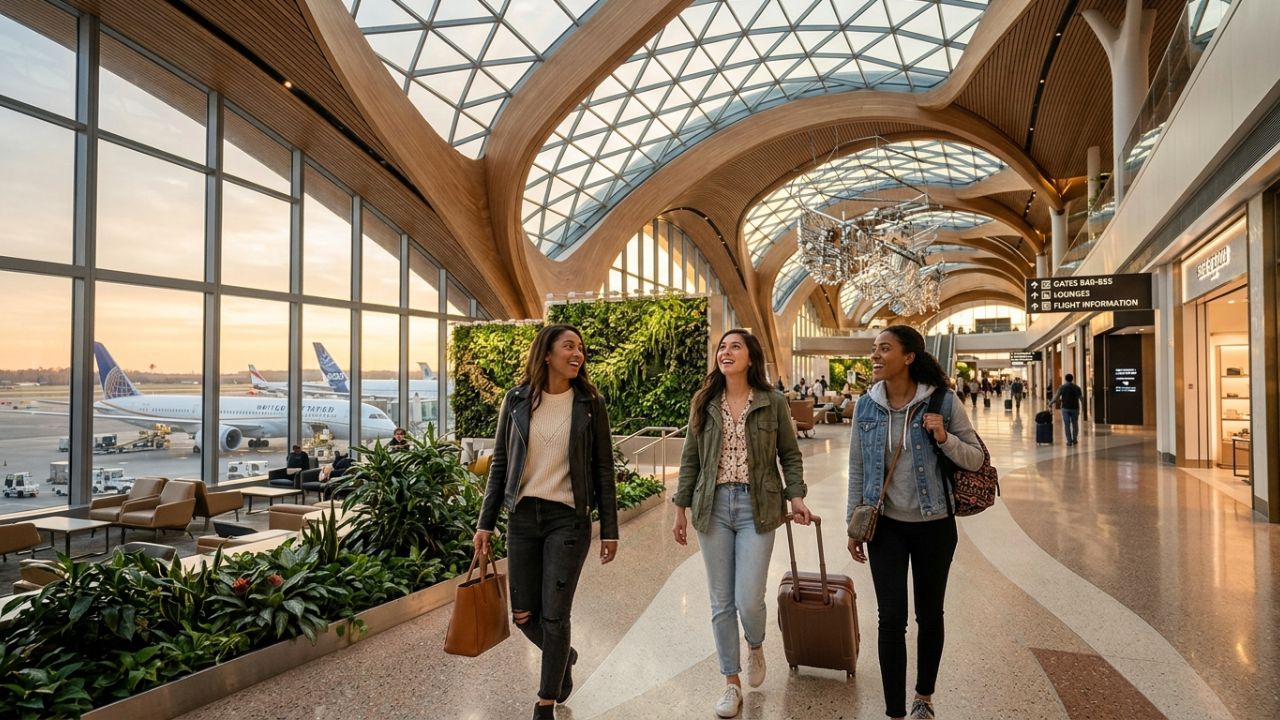
Image generated by AI
As sudden flight cancellations and grueling airport disruptions continue to exhaust millions of passengers worldwide, a highly prestigious international organization has dramatically shifted the industry focus from operational frustration to pure architectural triumph. Reported on June 19, 2026, the legendary Prix Versailles program—hosted annually at UNESCO headquarters in Paris—has officially unleashed its explosive new list of the world’s most beautiful airport buildings. Highlighting a spectacular shift in how global transit hubs handle modern travel chaos, this elite roster crowns seven magnificent terminal facilities spanning from San Diego and Pittsburgh to Frankfurt and Cambodia. By replacing sterile, anxiety-inducing corridors with breathtaking natural light, colossal indoor forests, and mesmerizing public art, these structural masterpieces are fundamentally transforming the psychological reality of international travel. Acting as highly insulated emotional sanctuaries where weary travelers can heal their spirits during unexpected layovers, these groundbreaking architectural victories are driving today's most crucial headline in breaking airline news and essential global aviation updates.
By introducing direct passenger coordination and dynamic scheduling backups, the regional aviation hubs target growing passenger demand across vital commerce sectors. The choice to coordinate flight departures in phases helps to manage gate capacity, supporting the country's broader regional transportation network.
Context: Eradicating the Anxiety of Modern Transit
For the global tourism and aviation industry, the celebration of these elite architectural masterpieces represents a fundamental shift in how airports actively defend their passengers against the mental exhaustion caused by systemic travel chaos.
Historically, an airport was strictly viewed as a high-volume processing machine. When severe weather or air traffic control strikes triggered massive flight cancellations, thousands of passengers were forced to endure hours of agonizing waiting times trapped in cramped, poorly lit, industrial-style terminals. This sterile environment actively worsened traveler anxiety, amplifying the stress of broken itineraries. However, the seven global facilities validated by the Prix Versailles program are explicitly engineered to combat this emotional friction. By integrating profound elements of intelligent sustainability, massive open-air terraces, and deeply rooted local cultural identities, these new megastructures turn a dreaded six-hour delay into a genuinely enjoyable, culturally enriching experience. Travelers are no longer trapped in a cold transit facility; they are essentially waiting out the storm inside a world-class luxury art museum.
To view live flight schedules, verify the active delay status of your specific international itinerary, or to track active regional airspace restrictions, travelers must consult official aviation directories. For direct updates regarding how this massive architectural evolution bypasses traditional route abandonments and current flight cancellations out of San Diego or Frankfurt, travelers should aggressively utilize the official portals of the respective airport authorities. To explore live flight tracking and monitor the exact severity of the cascading bottlenecks at older, unrenovated competitor hubs, passengers can consult the official FlightAware tracking service.
Section-Wise Breakdown: The Elite Global Roster
The United States: San Diego and Pittsburgh Masterpieces
Two phenomenal facilities spectacularly secured coveted spots on the North American roster. Terminal 1 at San Diego International Airport features a complete, ground-up reinvention defined by a massive 800-foot curved glass facade, suspended jellyfish art exhibits, and an open-air outdoor terrace. Meanwhile, the stunning Pittsburgh International Airport earned explosive praise for its undulating roofline inspired by the Allegheny Mountains, featuring 38 massive steel columns shaped like trees and a spectacular ceiling embedded with 4,000 lights carefully arranged to resemble a star-filled night sky.
Europe and China: Frankfurt and Guangzhou
In Germany, Frankfurt Airport Terminal 3 secured its place as the sole European representative, arranged to resemble vibrant urban streets complete with continuously rotating, ring-shaped sculptures made of colored aluminum discs. Moving into Asia, China’s Guangzhou Baiyun International Airport Terminal 3 captured global attention with its monumental, flower-inspired architecture and deeply lush rooftop gardens that effortlessly blend nature with heavy transit infrastructure.
The Asian Triumphs: India and Cambodia
India scored an absolute double victory on the global stage. Terminal 2 of the Lokapriya Gopinath Bordoloi International Airport in Guwahati drew widespread acclaim for its breathtaking biophilic theme inspired by the regional Bamboo Orchid. Simultaneously, the Navi Mumbai International Airport Terminal 1 stunned judges with its futuristic, lotus-inspired design language, utilizing structural petals to channel natural wind and light. Completing the global lineup is Cambodia’s Techo International Airport in Phnom Penh, a monumental tribute to historic heritage.
Technical Roster: The Elite Architectural Data
To ensure absolute factual accuracy regarding the exact design elements and specific geographical locations of these world-class facilities, the following matrix details the verified architectural data recognized by the global selection:
Prix Versailles Elite Global Airports Matrix
| Airport Hub | Location | Key Architectural Design Elements |
|---|---|---|
| San Diego Int'l (Terminal 1) | USA | 800-foot glass facade, jellyfish art, outdoor terrace |
| Pittsburgh Int'l Airport | USA | 38 steel tree columns, 4,000-light star ceiling |
| Frankfurt Airport (Terminal 3) | Germany | City-like layout, rotating colored aluminum rings |
| Guangzhou Baiyun Int'l (Terminal 3) | China | Flower-inspired architecture, lush rooftop gardens |
| Navi Mumbai Int'l (Terminal 1) | India | Lotus-inspired petals designed for wind and light |
| Lokapriya Gopinath Bordoloi Int'l (T2) | India (Assam) | Bamboo Orchid biophilic theme, sustainable biodiversity |
| Techo International Airport | Cambodia | Monumental structural tribute to historic heritage |
Data accurately reflects the highly exclusive seven-terminal selection endorsed by global design authorities, highlighting how biophilic design and cultural integration are heavily leveraged to enhance passenger comfort.
Passenger Impact: The Psychological Security of Biophilic Transit
For the millions of passengers navigating the intense pressures of global transit, the introduction of biophilic, culturally immersive terminal design provides absolute psychological security against the threat of sudden travel chaos.
The immediate passenger impact of this architectural revolution is the drastic reduction of transit anxiety. Missing a highly infrequent long-haul flight previously meant ruinous out-of-pocket costs and miserable hours sitting on the floor of a crowded gate. In contrast, modern terminals like Pittsburgh or Guangzhou intentionally blur the line between indoor waiting areas and outdoor sanctuaries. With massive fresh-air terraces and lush indoor forests now securely integrated into the security zones, travelers gain tremendous mental flexibility when adjusting travel dates or enduring delayed departures. Furthermore, families with children benefit immensely from open, city-like layouts—like those found in Frankfurt—which drastically reduce claustrophobia and the requirement for exhausting overnight layovers in sterile transit hotels.
Industry Analysis: Capitalizing on the Passenger Experience
Aviation and tourism industry analysts view the celebration of these seven global hubs as definitive proof that airport authorities are aggressively leveraging luxury architecture to dominate international travel routing.
Analysts note that as global aviation capacity expands, airlines and passengers are actively choosing to route through airports that offer a superior physical experience. Instead of independently pouring billions solely into concrete runways, authorities are investing in "intelligent sustainability." By integrating features like Navi Mumbai's lotus petals (which actively channel natural wind and light to reduce energy costs), these airports successfully resolve the conflict between the increasing speed required by modern travel and the environmental demands of the modern era. The secretary general of the Prix Versailles program correctly identified that these hubs are no longer just processing centers; they are powerful emblems of regional cultural dynamics. Airports that fail to adopt these biophilic, passenger-centric designs will inevitably lose highly lucrative international transit traffic to these breathtaking new megastructures.
Actionable Advice for Securing a Stress-Free Airport Layover
While passengers cannot control severe summer storms or sudden airspace closures, you can execute this strategic survival checklist to actively leverage these newly crowned beautiful airports and bypass global travel chaos:
- Purposefully Route Through Elite Hubs: If you are flying transcontinental across the United States, actively seek out layovers in San Diego or Pittsburgh. Even if the layover is slightly longer, the psychological benefit of relaxing on an outdoor terrace or beneath a 4,000-light star ceiling far outweighs the misery of a shorter connection in a cramped, outdated legacy hub.
- Exploit Biophilic Lounge Access: Because these massive new terminals focus heavily on passenger flow, they often feature expansive, nature-integrated public seating areas that rival paid luxury lounges. If your flight is delayed at Guangzhou or Guwahati, immediately relocate to the rooftop gardens or orchid-themed zones to completely bypass the high-stress environment of the immediate departure gate.
- Audit Your International Transit Options: When flying into Europe, utilize Frankfurt's Terminal 3. The city-like layout is explicitly designed to reduce connection anxiety. Familiarize yourself with the layout before you land; utilizing the massive open squares and ring-sculpture areas will significantly lower your stress levels while waiting for a delayed onward flight to London or Rome.
FAQ: The World's Most Beautiful Airports
Which organization named the world's most beautiful airports?
The highly prestigious Prix Versailles program, organized annually at UNESCO headquarters in Paris, officially selected the seven elite international terminals for their outstanding architectural achievements.
Which US airports made the global list?
San Diego International Airport (Terminal 1) and Pittsburgh International Airport secured highly coveted spots on the North American roster, completely reinventing the US transit experience.
What makes Frankfurt Airport's Terminal 3 unique?
Serving as the sole European representative on the list, Frankfurt's Terminal 3 is masterfully arranged to resemble a vibrant urban city layout, complete with mesmerizing, rotating ring-shaped sculptures.
The Reality of Insulated Global Exploration
The explosive recognition of these seven architectural masterpieces proves definitively that the modern aviation industry is actively restructuring to protect high-yield consumers from the psychological toll of systemic travel chaos. By prioritizing intelligent sustainability, biophilic design, and massive cultural integration, these elite hubs are successfully future-proofing their passengers against the intense anxiety that routinely devastates broken itineraries. Yet, as travelers eagerly abandon dark, outdated terminals in favor of these brilliant sun-drenched halls, they must accept a critical new reality: securing a truly stress-free journey still requires aggressive early booking, a thorough understanding of intentional routing, and a complete refusal to endure long layovers in fragile, delay-prone legacy airports that refuse to respect the human spirit.
Key Takeaways
- San Diego and Pittsburgh Crowned: Terminal 1 in San Diego and the massive modernization in Pittsburgh completely revolutionized North American airport design.
- Frankfurt Stands Alone: Germany’s Frankfurt Airport Terminal 3 was officially named the sole European representative on the prestigious global shortlist.
- Asian Double Victory: India stunned the global design community with two winners: Navi Mumbai and Lokapriya Gopinath Bordoloi International Airport in Guwahati.
- Biophilic Design Triumphs: The global list heavily rewarded intelligent sustainability, praising Guangzhou's rooftop gardens and Pittsburgh's 38 steel tree columns.
- Bypassing Travel Anxiety: These monumental architectural achievements actively combat the mental exhaustion of travel chaos, turning miserable layovers into emotionally enriching experiences.
Related Travel Guides
Massive Travel Chaos Paralyzes Chicago O'Hare with 1,425 Disruptions
Disclaimer
This article is for informational and educational purposes only. It does not constitute legal, financial, or professional advice. While we strive to provide accurate and up-to-date information, travel policies, regulations, and conditions change rapidly. Always verify information with official sources before making travel decisions. Nomad Lawyer makes no representations about the accuracy, reliability, completeness, or suitability of the information provided. Readers should consult qualified professionals for advice specific to their circumstances. The views expressed in this article are those of the author and do not necessarily reflect the views of Nomad Lawyer.
Kunal K Choudhary
Co-Founder & Contributor
A passionate traveller and tech enthusiast. Kunal contributes to the vision and growth of Nomad Lawyer, bringing fresh perspectives and driving the community forward.
Learn more about our team →