
World Travelers Squeezed Beyond Ticket Prices at 2026 World Cup
World Cup fans face mounting costs beyond tickets as hosts levy hotel taxes and transportation fees. World travelers squeezed by hidden surcharges in 2026, inflating overall event expenses significantly.

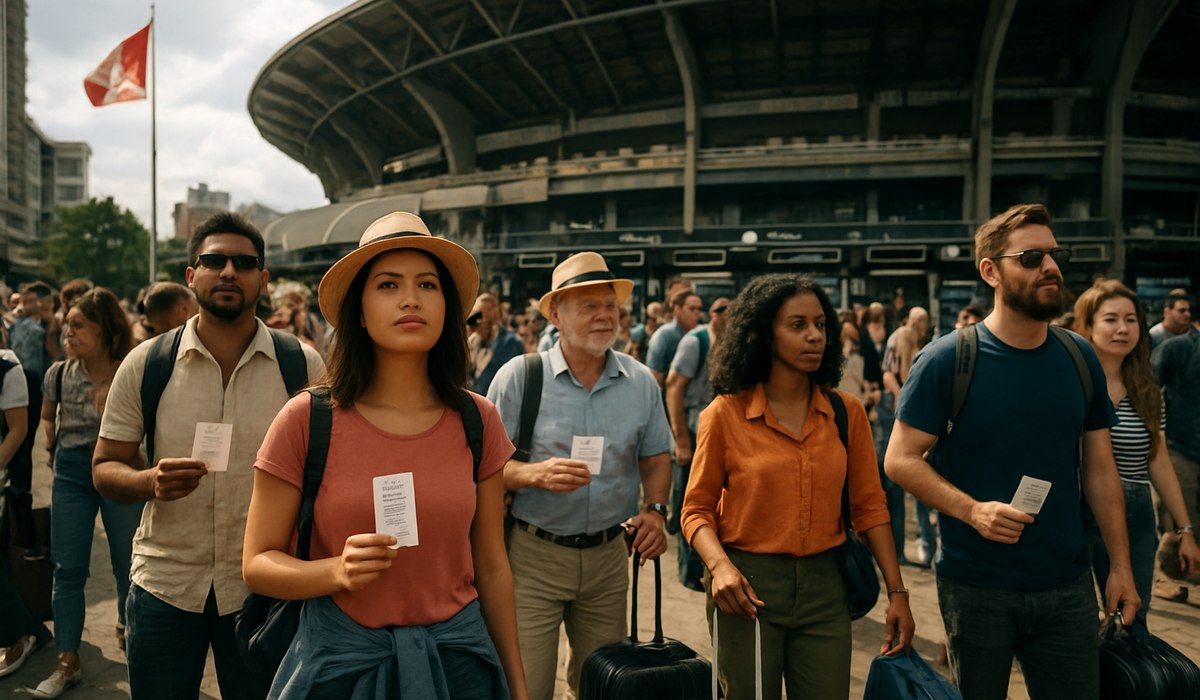
Image generated by AI
World Cup Attendees Face Hidden Costs Beyond Stadium Tickets
Soccer fans heading to the 2026 FIFA World Cup are discovering that ticket prices represent only the beginning of tournament-related expenses. Host nations and local authorities are implementing hotel taxes, transportation surcharges, and venue-specific fees that substantially increase the true cost of attending matches. For world travelers squeezed by these hidden charges, a week-long World Cup trip that appeared affordable on paper now carries significantly higher real-world expenses. This revenue-maximization strategy affects families, groups, and individual spectators planning international travel to multiple matches across host countries.
The financial squeeze extends beyond direct tournament costs into everyday travel infrastructure. Cities preparing to welcome millions of World Cup visitors are capitalizing on increased demand through selective taxation and premium pricing strategies that disproportionately impact foreign attendees unfamiliar with local fee structures.
Hidden Costs Beyond Ticket Prices
World Cup organizers employ multiple revenue streams that fans rarely anticipate when budgeting for the tournament. While ticket pricing receives significant media attention, the secondary costs quietly accumulate across accommodation, dining, transportation, and venue access categories.
Host cities implement temporary tourism taxes specifically during World Cup periods, sometimes adding 15-25% to hotel room rates through occupancy surcharges. These taxes don't appear in initial booking prices but materialize at checkout, creating unexpected expenses for international visitors. Additionally, many venues charge facility fees, parking surcharges, and mandatory service charges that weren't clearly communicated during the initial ticket purchase phase.
Ground transportation becomes another pressure point, with ride-sharing services implementing surge pricing during match days and premium fares for routes connecting airports to stadiums. Public transit systems occasionally introduce special World Cup passes or elevated fares for event-related travel, further burdening budget-conscious spectators.
Learn more about World Cup planning strategies from FIFA's official travel guidelines.
Hotel Tax Impact on Spectators
Accommodation represents the largest expense category for World Cup attendees, and hotel taxes substantially amplify these costs during the tournament period. Host nations recognize the concentrated visitor influx and implement temporary tax measures designed to capitalize on elevated demand and limited room availability.
Standard hotel occupancy taxes often increase by 10-20 percentage points during major sporting events, transforming a $150 nightly rate into $180-$195 after-tax costs. Some jurisdictions impose event-specific levies that apply exclusively during World Cup dates, creating pricing structures unavailable at other times.
Convention center hotels and properties designated as official tournament accommodations frequently charge premium rates with additional facility fees, service charges, and mandatory booking deposits. Travelers booking through official FIFA channels versus standard hospitality platforms encounter different fee structures, creating confusion about actual final costs.
Extended stays compound these tax impacts significantly. A family reserving ten nights in a World Cup host city may face $1,500-$2,500 in cumulative hotel taxes alone, independent of room charges. For world travelers squeezed by these accommodations expenses, this represents a substantial budget item requiring careful advance planning.
Review current tax policies on hospitality travel information sites before finalizing accommodations.
Transportation and Transit Surcharges
Getting to World Cup stadiums involves navigating multiple transportation layers, each introducing distinct surcharge opportunities for host cities and service providers. Airport transfers, public transit access, and internal stadium transportation all carry premium pricing during tournament periods.
International airports serving World Cup host nations activate special World Cup shuttle services, often charging $25-$50 per passenger compared to standard $10-$15 ride rates. Ride-sharing platforms implement surge pricing multipliers of 2-3x normal rates during match schedules, particularly on match-day mornings and post-game evening hours.
Public transportation systems introduce temporary premium passes for World Cup visitors, sometimes cost-prohibitive compared to standard multi-day transit tickets. Stadium-specific shuttle services operate mandatory premium pricing, restricting affordable transportation options for spectators lacking private vehicle access.
Train and metro systems occasionally restrict non-ticketed transit access or implement separate stadium access routes requiring supplemental fares. These fragmented transportation ecosystems require visitors to purchase multiple premium passes and surcharge-laden services rather than standard metropolitan transit options.
Discover transportation cost-saving strategies through global travel budget guides.
Strategies for Budget-Conscious Travelers
Savvy World Cup attendees can implement advance planning tactics to minimize hidden costs and maximize their tournament experience within predetermined budgets. Understanding fee structures and service categories enables travelers to identify cost-reduction opportunities.
Book accommodations outside primary tourist corridors where hotel tax rates remain lower and competition keeps room prices reasonable. Satellite cities offering regional transportation access often feature significantly reduced accommodation costs and minimal event-specific surcharges compared to primary stadium locations.
Utilize public transportation passes purchased before tournament dates to avoid surge-pricing surcharges activated during World Cup periods. Pre-buying metro cards and transit passes in advance locks in standard pricing while reducing reliance on premium ride-sharing services.
Research meal costs and accommodation packages together rather than separately, as bundled offerings sometimes eliminate hidden service charges applied to individual bookings. Contact your accommodation provider directly to clarify all applicable fees beyond advertised rates.
Consider multi-match attendance at fewer stadiums rather than traveling between distant venues constantly, reducing cumulative transportation costs significantly. Group travel arrangements sometimes negotiate better rates than individual bookings for hotels and premium transit services.
Cost Comparison Table: 2026 World Cup Budget Breakdowns
| Expense Category | Standard Rate | World Cup Surge Rate | Percentage Increase | Weekly Impact |
|---|---|---|---|---|
| Hotel Occupancy (per night) | $120 | $165 | +37.5% | +$315 |
| Airport Transfers | $15 | $45 | +200% | +$90 |
| Public Transit Pass (7-day) | $35 | $65 | +85.7% | +$30 |
| Ride-Share Services (10 trips) | $150 | $375 | +150% | +$225 |
| Stadium Facility Fees (per match) | $0 | $25 | Variable | +$100 |
| Dining Markup | Standard | +20-30% | +25% | +$140 |
| Total Weekly Estimated Increase | — | — | — | +$900 |
What This Means for Travelers
World travelers squeezed by hidden World Cup costs face substantial financial implications when planning tournament attendance. Understanding the actual expense landscape allows for realistic budgeting and strategic decision-making before committing to travel plans.
Actionable Takeaways:
-
Budget 35-45% above ticket prices for comprehensive World Cup trip costs including accommodations, transportation, meals, and event-related surcharges.
-
Book accommodations immediately upon fixture scheduling to secure pre-surge rates before event-specific pricing activates across available inventory.
-
Investigate local tax structures in specific host cities, as hotel tax rates and transportation surcharges vary significantly between locations and regions.
-
Purchase transportation passes early through standard municipal channels before event-date pricing surcharges trigger automatic fare increases.
-
Consider attending matches in secondary cities where hospitality infrastructure experiences less demand concentration, resulting in lower hotel taxes and transportation costs.
-
Review cancellation policies carefully given the extended planning timeline and potential cost increases, ensuring refund protection if final expenses exceed budget parameters.
-
Combine group bookings to negotiate better rates from hotels and premium transportation providers who often offer volume discounts.
Frequently Asked Questions
How much additional money should World Cup attendees budget for hidden costs?
Plan for 35-45% additional expenses beyond ticket prices. Hotel taxes alone typically add $300-$500 weekly, while transportation sur
Disclaimer
This article is for informational and educational purposes only. It does not constitute legal, financial, or professional advice. While we strive to provide accurate and up-to-date information, travel policies, regulations, and conditions change rapidly. Always verify information with official sources before making travel decisions. Nomad Lawyer makes no representations about the accuracy, reliability, completeness, or suitability of the information provided. Readers should consult qualified professionals for advice specific to their circumstances. The views expressed in this article are those of the author and do not necessarily reflect the views of Nomad Lawyer.
Raushan Kumar
Founder & Lead Developer
Full-stack developer with 11+ years of experience and a passionate traveller. Raushan built Nomad Lawyer from the ground up with a vision to create the best travel and law experience on the web.
Learn more about our team →